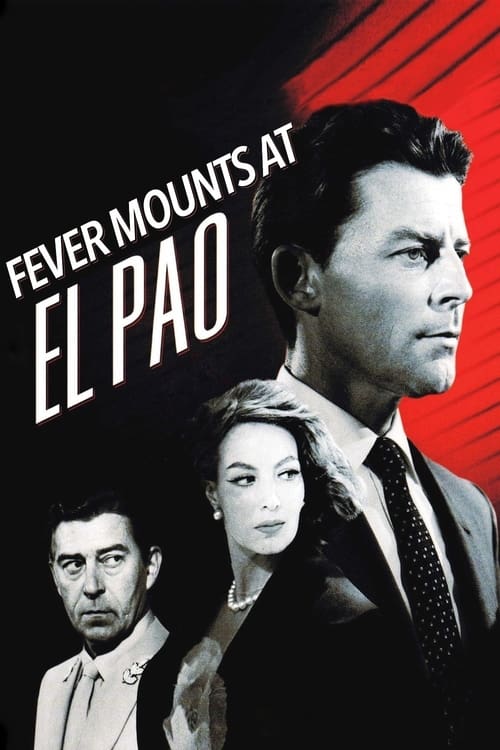
Fever Mounts at El Pao
1959
No user ratings available yet
Representation score: 6.3 out of 10
Representation Score
Limited
1958
Director
Edmond T. Gréville
Runtime
96 minutes
Average Rating
No ratings yetNew Showbiz Analysis
When Will It Strike Noon is a mid-century political drama that emphasizes systemic critique over diverse identity representation. The film excels at dismantling oppressive power structures and highlighting the vulnerability of individuals against a corrupt state. However, the narrative leans heavily on traditional hierarchies. The focus on a European protagonist in a South American setting suggests a colonial perspective, and female characters are confined to conventional roles within a patriarchal system. Overall, the film is a study of political tension rather than a diverse social landscape, lacking modern markers of LGBTQ+ or disability representation.
Category Breakdown
The film does not include any characters with LGBTQ+ identities or narratives. The plot focuses on political and class-based conflicts.
Women are shown within traditional patriarchal structures, such as being the despot's mistress. There is no indication of women taking significant action or challenging gender roles.
The South American setting introduces ethnic diversity, but the story centers around a French jeweler. This indicates a Eurocentric viewpoint observing local issues.
The film offers a nuanced critique of authoritarianism and institutional corruption. It portrays the state as a predatory force rather than a protective entity.
There are no characters with visible or invisible disabilities mentioned in the narrative.
Present on Screen
Limited or Absent
Official Synopsis
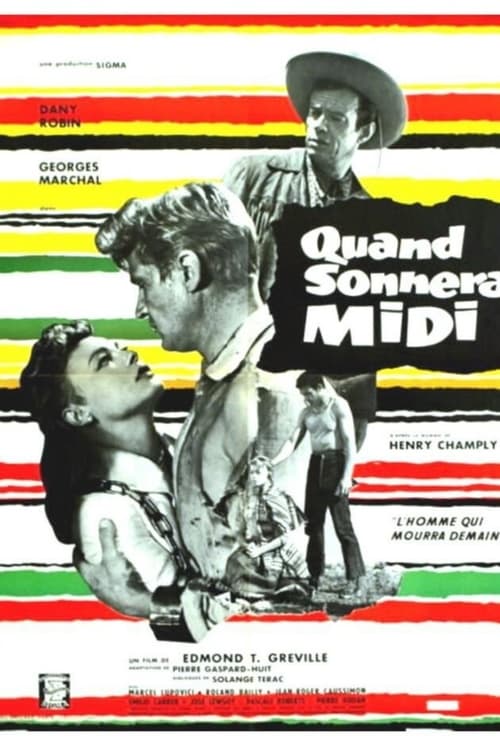
The small South American republic of Guadalarma is under the rule of despot Don Salvador, surrounded by a civil guard, his mistress (La Morenita), his henchman (Don Ramón) and the fortress governor (the venal Don Gaspar). One morning, the city's French jeweler Michel Dumartin receives a visit from a client named José Llanos, one of the regime's fiercest opponents. Llanos is soon denounced and shot dead by Salvador's men. At the same time, Dumartin was accused of complicity with the rebels. Arrested and imprisoned in the fortress, he is ripe for the death penalty.
1959
1970
1961
2011

1969
1969
1957
1993
No reviews yet. Be the first to share your thoughts on this movie!
Use the rating form above to leave a star rating and optional review.