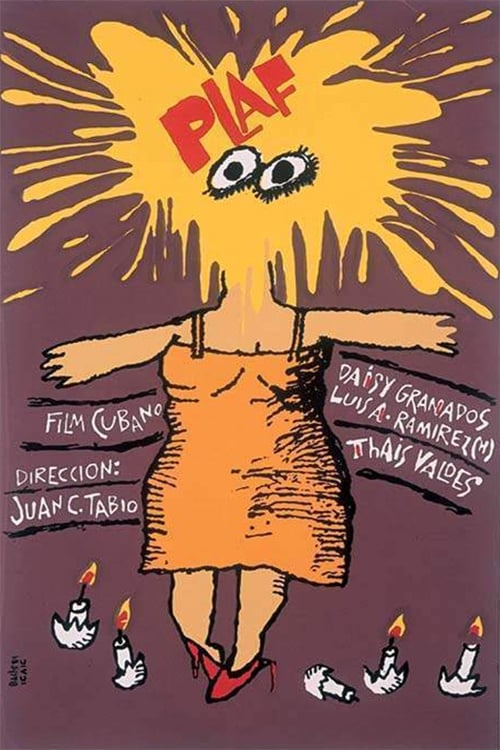
Too Afraid of Life or Splat
1988
No user ratings available yet
Representation score: 7.8 out of 10
No Poster Available
Representation Score
Excellent
1994
Director
Juan Carlos Tabío
Runtime
81 minutes
Average Rating
No ratings yetNew Showbiz Analysis
The film stands out for its cultural authenticity, using a localized Cuban setting to deliver a sophisticated critique of systemic authority. Its strength lies in its deconstruction of bureaucracy and its commitment to a cast that reflects its geographic reality. However, the narrative lacks depth regarding specific identity politics. It remains neutral on issues of disability and LGBTQ+ representation, prioritizing political satire over the exploration of diverse personal identities. Ultimately, the work is a powerful critique of institutional power, though it does not actively challenge gender hierarchies or center underrepresented identity groups.
Category Breakdown
The film does not focus specifically on LGBTQ+ identities or non-binary gender expressions. Instead, it centers on broader socio-political themes rather than identity-based narratives or critiques of the assumption that everyone is straight or cisgender.
Gender roles are woven into the larger critique of societal structures rather than standing alone as a primary theme. The story delves into family dynamics and characters dealing with social limitations.
The film showcases a predominantly Cuban/Latino cast that aligns with its historical context. It avoids Western-centric casting by emphasizing the specific socioeconomic and ethnic realities of the island.
The story employs satire to depict state authority as absurd and oppressive. It promotes anti-authoritarianism and examines the struggle for individual control over a rigid, centralized bureaucracy.
There is no significant depiction of characters with visible or invisible disabilities. The representation remains neutral within the existing character framework.
Present on Screen
Limited or Absent
Official Synopsis
After two years in jail, El Isleño returns to the island of La Fe, ruled by the dictator Francisco Gavilán. He arrives with a cinematograph and exhibits "Robin Hood" to the people. The next day the bridge that communicates La Fe to the mainland has been destroyed, and the people plan to overthrow Gavilán.
1988

1964
1979
2018

2016

1996
2006
2013
No reviews yet. Be the first to share your thoughts on this movie!
Use the rating form above to leave a star rating and optional review.