
Not Even in a Wildest Dream
2017
No user ratings available yet
Representation score: 8.9 out of 10
Representation Score
Good
2012
Director
Carlos Loret de Mola, Juan Carlos Rulfo
Runtime
80 minutes
Average Rating
No ratings yetNew Showbiz Analysis
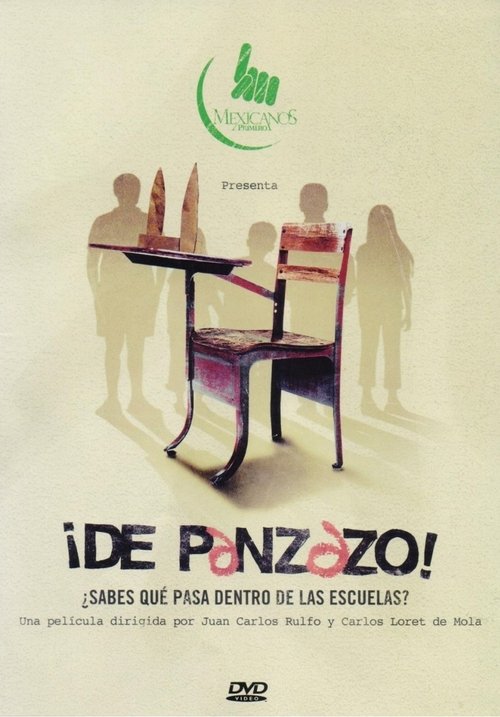
De Panzazo is a powerful piece of social documentation that rejects a sanitized view of Mexican society. By using a longitudinal, multi-perspective approach, the film disrupts the idea of a homogenized national identity. It succeeds most when it empowers underrepresented voices to drive the discussion through their own lenses. However, the documentary's journalistic scope limits its exploration of specific identity politics. While it provides a broad canvas of the nation, it lacks dedicated narrative arcs for LGBTQ+ individuals or people with disabilities. The focus remains strictly on the systemic failure of the educational framework. Ultimately, the film's strength lies in its geographic and ethnic breadth. It moves beyond a centralized perspective to present a multifaceted portrait of Mexico's complex social reality.
Category Breakdown
The documentary focuses on systemic educational issues and socioeconomic struggles. It does not center on LGBTQ narratives or non-cisgender identities.
The film captures diverse gendered experiences within families and schools. It highlights the exhaustion and systemic challenges faced by mothers and female educators.
The film excels by documenting life across diverse regions like Chiapas and Yucatan. It provides high ability to act to indigenous and mixed-race populations through handheld footage.
The narrative functions as a critique of state institutions and bureaucracy. It prioritizes the lived truths of underrepresented people over official government narratives.
The film touches on broader public sector inequities but lacks a centralized focus on neurodivergence or physical disabilities.
Present on Screen
Limited or Absent
Official Synopsis
Panzazo! It reflects the reality of education in Mexico and demonstrates that Mexican society panzazo passes in an exclusionary system in which no lessons for life are achieved. We see in this movie moms, dads, principals, teachers, officials, union representatives and opinion leaders to draw a global picture that does not allow indifference. The data, interviews and what the students filmed with handheld cameras give rise to indignation and intelligent to realize the part that touches everyone contribute. The project ran for three years entering the reality of the students and their families, capturing the daily dynamics of schools in such diverse parts of the country such as Ciudad Juarez, the interior of Yucatan, Morelia, the mountains of Chiapas and Guerrero, as well as Naucalpan and Iztapalapa in the metropolitan area of Mexico City. EDIT: To clarify, "de panzazo" means "just squeaking through."
2017

2002
1993
2010
2013
2018
2011
1994
No reviews yet. Be the first to share your thoughts on this movie!
Use the rating form above to leave a star rating and optional review.