Raising Bertie
2017
No user ratings available yet
Representation score: 9.1 out of 10
Representation Score
Good
1993
Director
Susan Raymond, Alan Raymond
Runtime
89 minutes
Average Rating
No ratings yetNew Showbiz Analysis
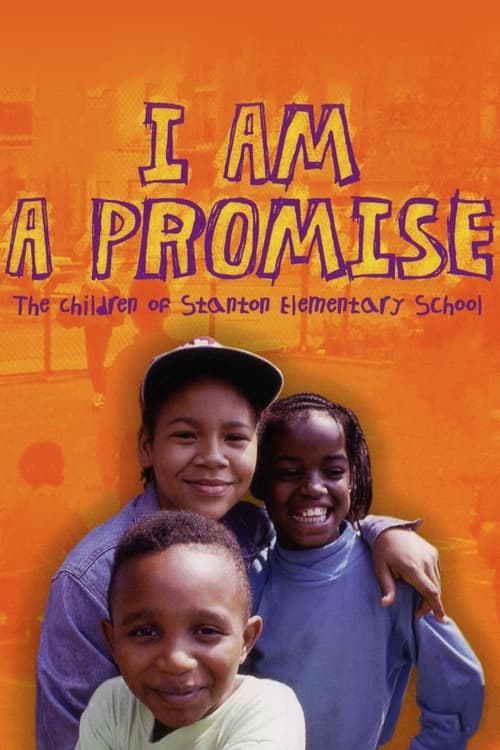
I Am a Promise is a powerful observational study of resource scarcity in North Philadelphia. It succeeds by providing an authentic, non-paternalistic look at minority communities and the structural failures of the American educational system. While the film offers deep racial and cultural authenticity, it lacks explicit representation for LGBTQ+ identities and formal disability narratives. The focus remains strictly on the intersection of poverty and education. Ultimately, the documentary's strength lies in its refusal to use a homogenized lens, instead highlighting the lived experiences of underrepresented urban youth.
Category Breakdown
The film focuses on the immediate socioeconomic and educational realities of an inner-city school. There is no clear narrative focus on LGBTQ+ themes or non-cisgender identities.
The narrative presents traditional gender roles within the school environment. However, Principal Deanna Burney stands out as a strong, competent female leader.
The film excels in authentic representation, featuring a predominantly Black and Latino student body. It avoids white savior clichés by centering the ability to act of the students themselves.
The documentary critiques how capitalist and state systems fail low-income populations. It frames the American Dream as an unattainable promise for these children.
The film documents invisible disabilities linked to poverty and trauma, such as emotional dysregulation. It lacks a dedicated focus on formal disability advocacy.
Present on Screen
Limited or Absent
Official Synopsis
An unflinching verité portrait of the children of Stanton Elementary School in North Philadelphia, an inner-city neighborhood where 90% of the students live below the poverty line. Seen through the viewpoint of devoted principal Deanna Burney, the film shows Stanton as grossly underfunded, understaffed, and filled with children struggling to overcome their difficulties. But for these at-risk kids, however, the hope for their future survives only in the success of their education. A captivating series of vignettes concerning children growing up outside the American dream, echoing current “hot-button” issues in our country’s ongoing political discussion.
2017

2000
2009

2002
2016
2010
2000
2004
No reviews yet. Be the first to share your thoughts on this movie!
Use the rating form above to leave a star rating and optional review.