We Were Children
2012
No user ratings available yet
Diversity score: 7.9 out of 10
2013
PGDirector
Rudy Luna
Runtime
66 minutes
Average Rating
No ratings yetSynopsis
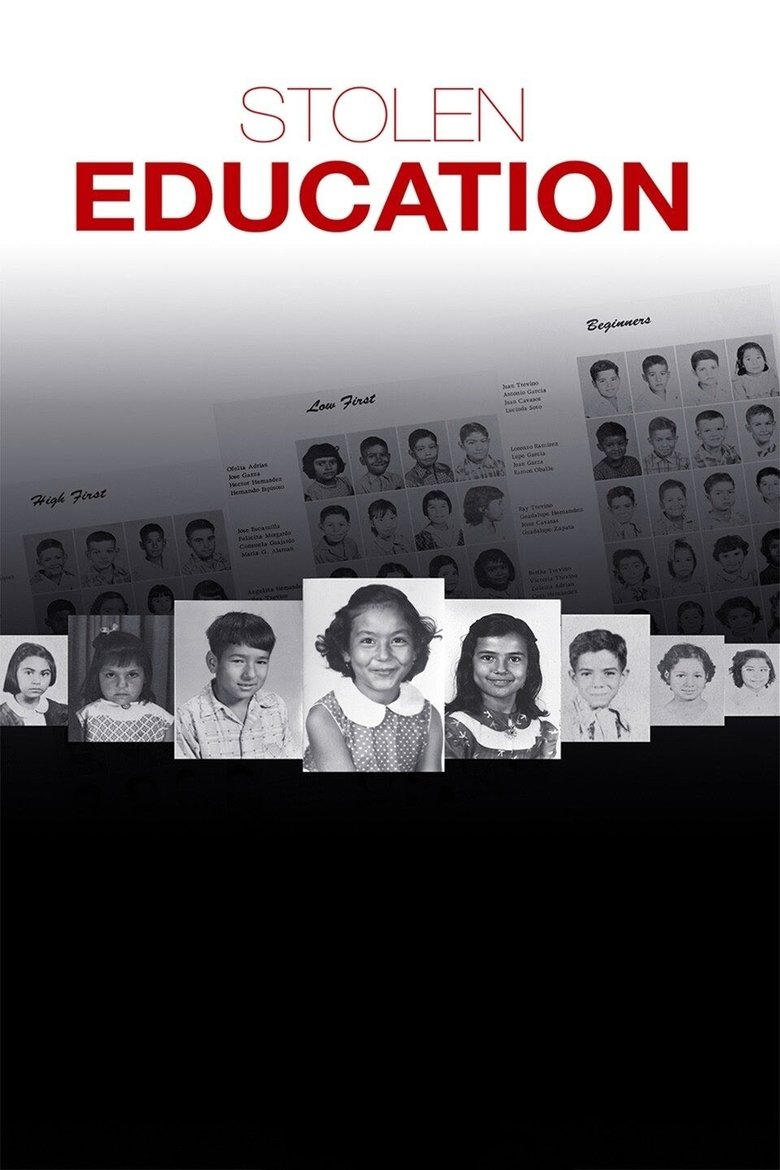
"Stolen Education" documents the untold story of Mexican-American school children who challenged discrimination in Texas schools in the 1950s and changed the face of education in the Southwest.
Overall Score
Fair
Category Breakdown
LGBTQ+ Representation
The film contains no discernible presence of LGBTQ+ narratives or non-heteronormative identities within its study of 1950s educational segregation.
Gender Representation
Women play significant roles in the community's fight for equity. However, the primary historical focus remains on the collective racial struggle rather than gendered perspectives.
Racial & Ethnic Diversity
The narrative centers on the lived experiences of Mexican-American communities. It grants high agency to individuals resisting discriminatory schooling and celebrates their resilience against institutional racism.
Religious & Cultural Diversity
The documentary critiques how Western institutional structures were used as tools for assimilation. It prioritizes marginalized perspectives over official state histories to frame the civil rights struggle.
Disability Representation
The film addresses socioeconomic barriers and the systemic disabling of communities through resource scarcity. It does not focus on neurodivergence or physical disabilities as central themes.
Strengths
Areas for Improvement
AI Analysis
Stolen Education is a powerful work of historical reclamation that centers the agency of Mexican-American youth fighting systemic segregation in 1950s Texas. By focusing on the legal and social struggles of these communities, the film provides a sophisticated critique of state-sanctioned educational hierarchies. The documentary succeeds by framing oppression as a deliberate structural choice rather than a historical accident. It effectively highlights how ethnic identity was weaponized to limit intellectual development, offering a necessary platform for voices silenced by the educational establishment. While the film excels in racial and cultural storytelling, it lacks specific focus on LGBTQ+ identities or disability-centric narratives. The representation of gender is meaningful but remains secondary to the broader ethnic struggle.
2012

2019
2011
2014
2015

2012

2018
1969

2017
2016
1984
2014
No reviews yet. Be the first to share your thoughts on this movie!
Use the rating form above to leave a star rating and optional review.