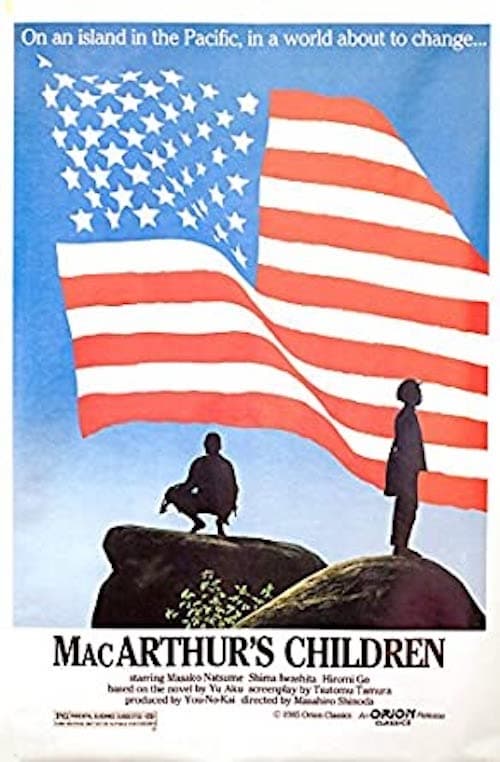
MacArthur's Children
1984
No user ratings available yet
Diversity score: 5.5 out of 10
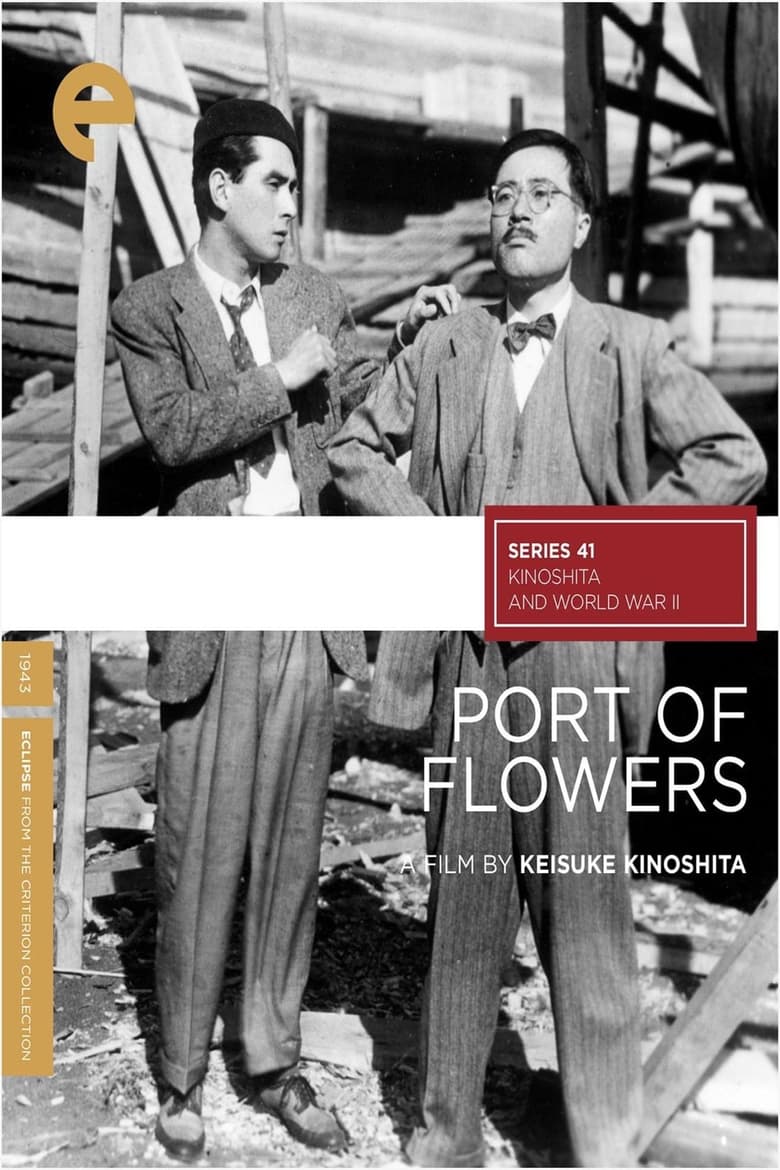
1943
Not RatedDirector
Keisuke Kinoshita
Runtime
82 minutes
Average Rating
No ratings yetSynopsis
The sweet but naive denizens of a charming port town are hoodwinked by a couple of con men at the outset of World War II. But the hustlers’ plan backfires when they come down with severe cases of conscience. Keisuke Kinoshita’s directorial debut is a breezy, warmhearted, and often very funny crowd-pleaser that’s a testament to the filmmaker’s faith in people.
Overall Score
Fair
Category Breakdown
LGBTQ+ Representation
The film lacks explicit depictions of queer identities or non-heteronormative relationships. The narrative focuses on general human connection and interpersonal bonds within a port town setting.
Gender Representation
The story centers on a community of naive townspeople. While female agency is not explicitly detailed, the warmhearted nature of the social interactions suggests a focus on community life.
Racial & Ethnic Diversity
As a 1943 Japanese production, the film features a homogeneous cast. It reflects the specific nationalistic and cultural landscape of its era without multi-ethnic casting.
Religious & Cultural Diversity
The film prioritizes individual conscience and personal redemption over rigid institutional or state-driven duties. This humanistic approach explores subjective morality through the evolution of its characters.
Disability Representation
There is no evidence of characters with physical or neurodivergent disabilities within the narrative.
Strengths
Areas for Improvement
AI Analysis
Port of Flowers is a humanistic study of moral reclamation set during the wartime era. It avoids simple hero and villain archetypes by focusing on the internal ethical shifts of its protagonists. The film's strength lies in its emphasis on individual agency and the capacity for personal transformation. This focus on empathy and guilt provides a subtle challenge to the rigid societal structures of the 1940s. However, the film remains a product of its time, characterized by a homogeneous cast and a lack of intersectional complexity. It functions more as a character-driven comedy than a diverse social commentary.
No reviews yet. Be the first to share your thoughts on this movie!
Use the rating form above to leave a star rating and optional review.