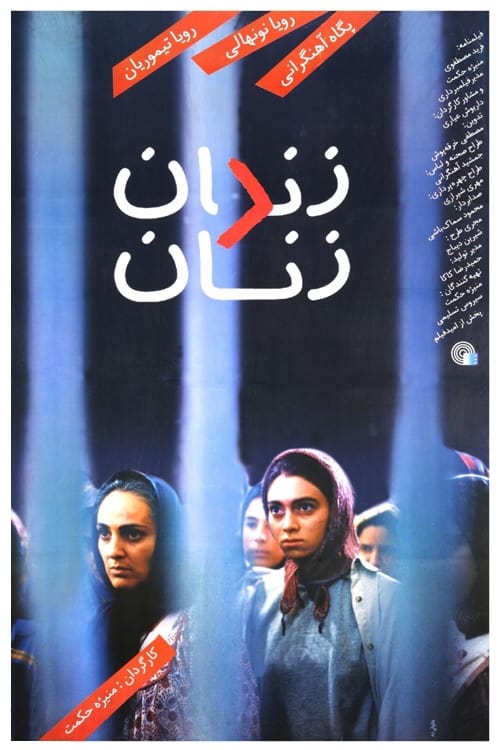
Women's Prison
2002
No user ratings available yet
Representation score: 8.6 out of 10

Representation Score
Good
1985
Director
Gordana Boškov
Runtime
106 minutes
Average Rating
No ratings yetNew Showbiz Analysis
Women in Prison is a gritty social critique that avoids sanitizing the hardships faced by its main character. It succeeds by framing personal failures and systemic violence as interconnected struggles within a provincial setting. The film's strength lies in its refusal to rely on heroic archetypes, opting instead for a realistic portrayal of the protagonist's journey. By focusing on a protagonist navigating addiction and institutional brutality, it challenges conventional expectations of female-led dramas. However, the film lacks explicit representation of LGBTQ+ characters or non-straight relationships. It also shows limited evidence of intentional racial diversity. The narrative remains deeply rooted in its specific regional and social context.
Category Breakdown
The film does not explicitly depict LGBTQ+ character arcs or non-straight relationships. The narrative centers on the protagonist's professional survival and addiction struggles.
The film challenges traditional gender roles by emphasizing the protagonist's active role in a violent institutional environment. It avoids submissive stereotypes, focusing on complex power dynamics and professional challenges.
The cast likely reflects the ethnic makeup of 1985 Yugoslavia. However, there is no evidence of intentional efforts to include diverse backgrounds or global perspectives.
The story critiques institutional stability by portraying the prison system as corrupt. It uses social realism to deconstruct traditional moralistic storytelling and social roles.
The protagonist's battle with alcohol addiction is a central theme, depicting mental health and dependency. This struggle is shown as a nuanced part of her survival.
Present on Screen
Limited or Absent
Official Synopsis
After graduation, a young woman gets his first job in the women's prison in the province. The story follows her struggle to survive in a small town with her small child, alcohol addiction, and the battle with the prisoners and prison brutality and other schemers who wanted to remove her from working spot.
2002
1972
1974

1980

1995

1979

1977
1959
No reviews yet. Be the first to share your thoughts on this movie!
Use the rating form above to leave a star rating and optional review.