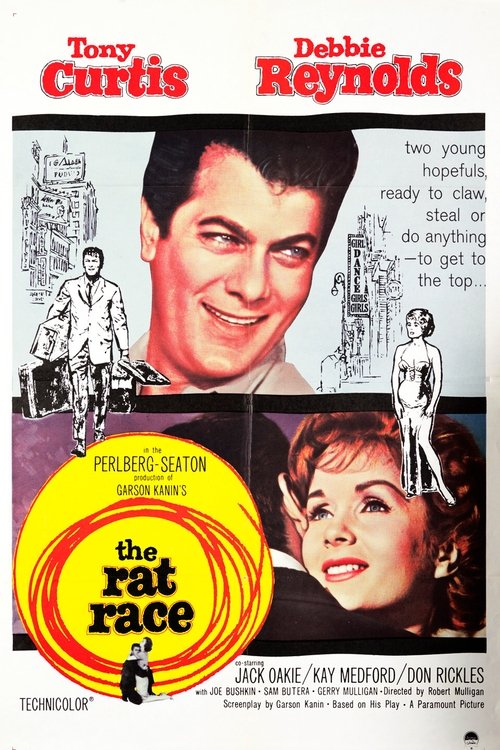
The Rat Race
1960
No user ratings available yet
Representation score: 0.5 out of 10
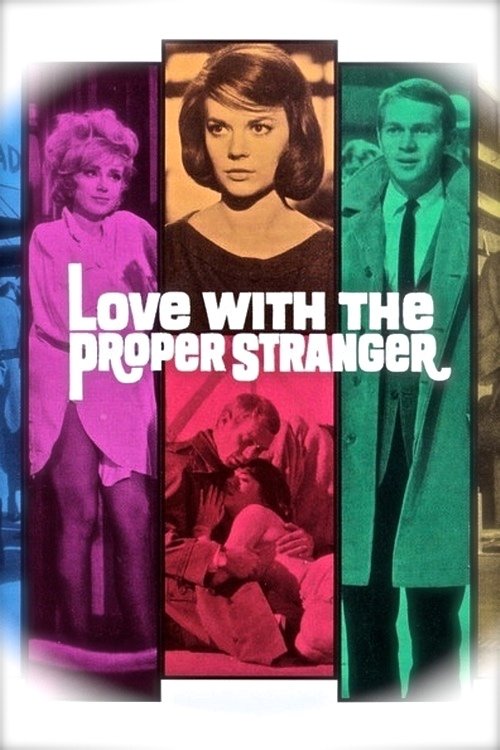
Representation Score
Limited
1963
NRDirector
Robert Mulligan
Runtime
102 minutes
Average Rating
No ratings yetNew Showbiz Analysis
Robert Mulligan’s film is a psychologically sophisticated character study that prioritizes emotional realism over social activism. Its primary strength lies in its nuanced treatment of gender, moving beyond the era's typical archetypes of passivity and dominance. However, the film remains a product of its time, offering very little in the way of diverse representation. The lack of racial, LGBTQ+, or disability representation confines the narrative to a narrow, mid-century demographic scope. Ultimately, the film succeeds as an exploration of individual ability to act and urban loneliness, even if it fails to engage with broader systemic identity politics.
Category Breakdown
The film operates within a strictly straight-centered framework. It lacks any depiction of non-traditional gender identities or same-sex relationships.
The story challenges traditional gender roles by emphasizing emotional vulnerability in both leads. It moves away from male dominance toward a more equal exploration of intimacy.
The cast is predominantly white, reflecting the demographic homogeneity of mid-century cinema. While an Italian-American background is noted, there is little racial diversity.
The narrative critiques traditional social structures through a study of urban alienation. It challenges conventional courtship but avoids explicit religious or anti-capitalist critiques.
There are no prominent depictions of physical or neurodivergent disabilities. Character struggles are framed as existential alienation rather than lived disability experiences.
Present on Screen
Limited or Absent
Official Synopsis
Angie Rossini, an innocent New York City sales clerk from a repressive Italian-American family, engages in a short-lived affair with a handsome jazz musician named Rocky Papasano. When Angie becomes pregnant, she tracks down Rocky hoping he'll pay for her abortion.
1960
1961
1965

1951

1962

1961

1966
1958
No reviews yet. Be the first to share your thoughts on this movie!
Use the rating form above to leave a star rating and optional review.