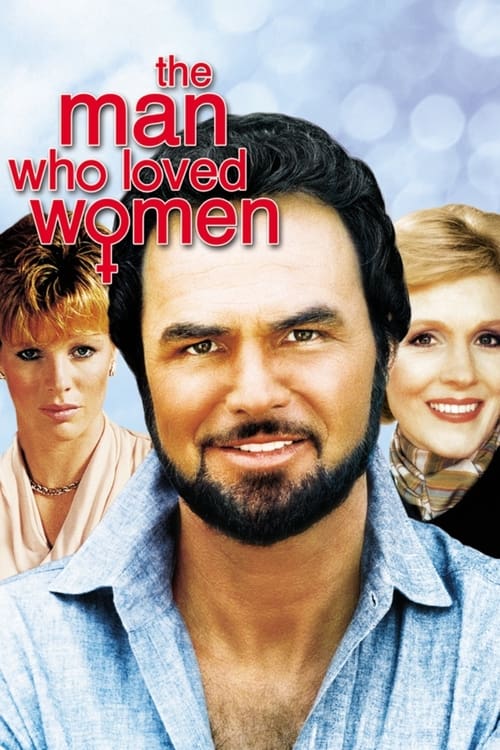
The Man Who Loved Women
1983
No user ratings available yet
Representation score: 1.6 out of 10

Representation Score
Limited
1972
PGDirector
Melville Shavelson
Runtime
105 minutes
Average Rating
No ratings yetNew Showbiz Analysis
This film operates as a typical domestic comedy from the early 1970s, reinforcing rather than challenging social hierarchies. The narrative structure relies on the tension between traditionalist viewpoints and emerging social changes, but it prioritizes conventional romantic resolutions over dismantling broader power structures. While the female lead offers some intellectual resistance to the protagonist's anti-feminist views, the film remains tied to traditional storytelling methods that favor established domestic norms over progressive social disruptions.
Category Breakdown
The story focuses on a heterosexual relationship conflict. There are no representations of non-binary gender identities or critiques of the assumption that everyone is straight or cisgender.
The film explores gender through skepticism towards feminist ideas. The female lead challenges the protagonist intellectually, but the conflict centers around his opposition to feminism.
The plot depicts a typical mid-century domestic setting. There is no indication of intentional racial diversity or breaking away from Anglo-centric casting norms.
The story unfolds within traditional Western social structures. It focuses on integrating a single mother into a domestic scenario without critiquing Western institutions.
The protagonist's near-sightedness is mentioned as a character trait. However, it lacks depth and is used as a standard comedic device rather than a meaningful exploration of disability.
Present on Screen
Limited or Absent
Official Synopsis
A sarcastic near-sighted cartoonist, averse to commitment, falls for a single mother of three — the only woman who can stand his strong anti-feminist opinions.
1983

1970

1966

1971

1962

1949

1966

1972
No reviews yet. Be the first to share your thoughts on this movie!
Use the rating form above to leave a star rating and optional review.