
Boynton Beach Club
2005
No user ratings available yet
Diversity score: 4.5 out of 10

1971
RDirector
George A. Romero
Runtime
93 minutes
Average Rating
No ratings yetSynopsis
A young man returns home to Pittsburgh and moves in with an older woman, on whom he begins to rely on for emotional and financial support.
Overall Score
Fair
Category Breakdown
LGBTQ+ Representation
The film explores non-traditional interpersonal dynamics and emotional dependencies. While specific queer identities are not explicitly detailed, the focus on unconventional domesticity suggests a departure from heteronormative archetypes.
Gender Representation
The narrative disrupts traditional hierarchies by centering a female character as the primary emotional and financial provider. This inversion shifts agency away from masculine archetypes toward a female-led domestic sphere.
Racial & Ethnic Diversity
There is insufficient evidence to confirm significant racial diversity within the central cast. The narrative focus remains on the specific interpersonal dynamics of the mentioned characters.
Religious & Cultural Diversity
The story critiques the stability of the nuclear family by portraying a protagonist reliant on a non-parental figure. It explores social and financial interconnectedness outside traditional Western norms.
Disability Representation
There is no documented evidence regarding the inclusion of characters with physical or neurodivergent disabilities.
Strengths
Areas for Improvement
AI Analysis
George A. Romero’s drama subverts traditional coming-of-age tropes by centering a relationship built on economic and emotional dependency. The film's strength lies in its disruption of patriarchal family structures and gendered provider roles. However, the film lacks visible racial diversity and provides no evidence of disability representation. The narrative's progressive leanings are primarily found in its unconventional domestic arrangements rather than explicit intersectional casting. Ultimately, the film serves as a mid-range exploration of social norms, challenging how individuals navigate stability outside of standard institutional frameworks.
2005

1990

1985

2009
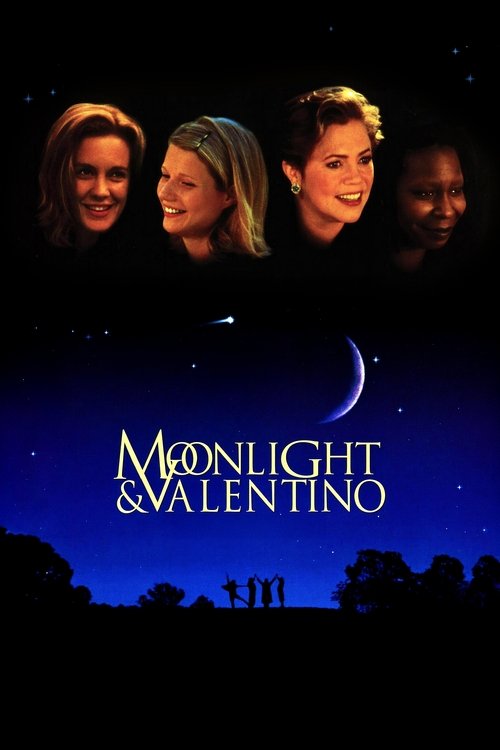
1995

1986

1979

1989

1979

1998
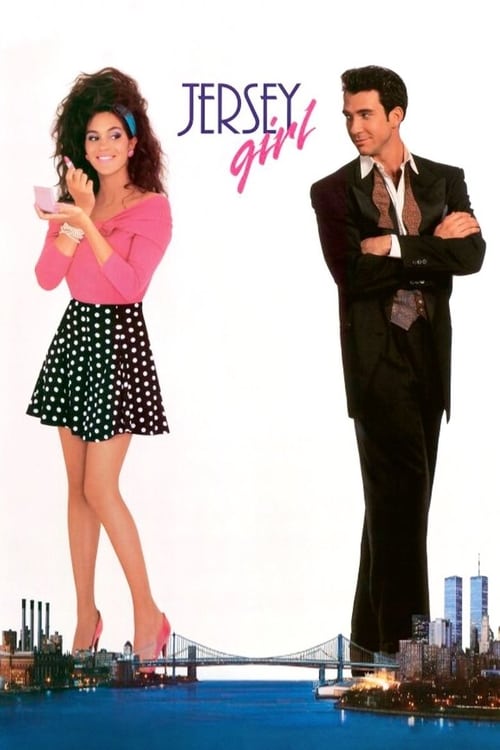
1992

1992
No reviews yet. Be the first to share your thoughts on this movie!
Use the rating form above to leave a star rating and optional review.