Katka
1950
No user ratings available yet
Diversity score: 5.9 out of 10
2021
Director
Kinga Dębska
Runtime
94 minutes
Average Rating
No ratings yetSynopsis
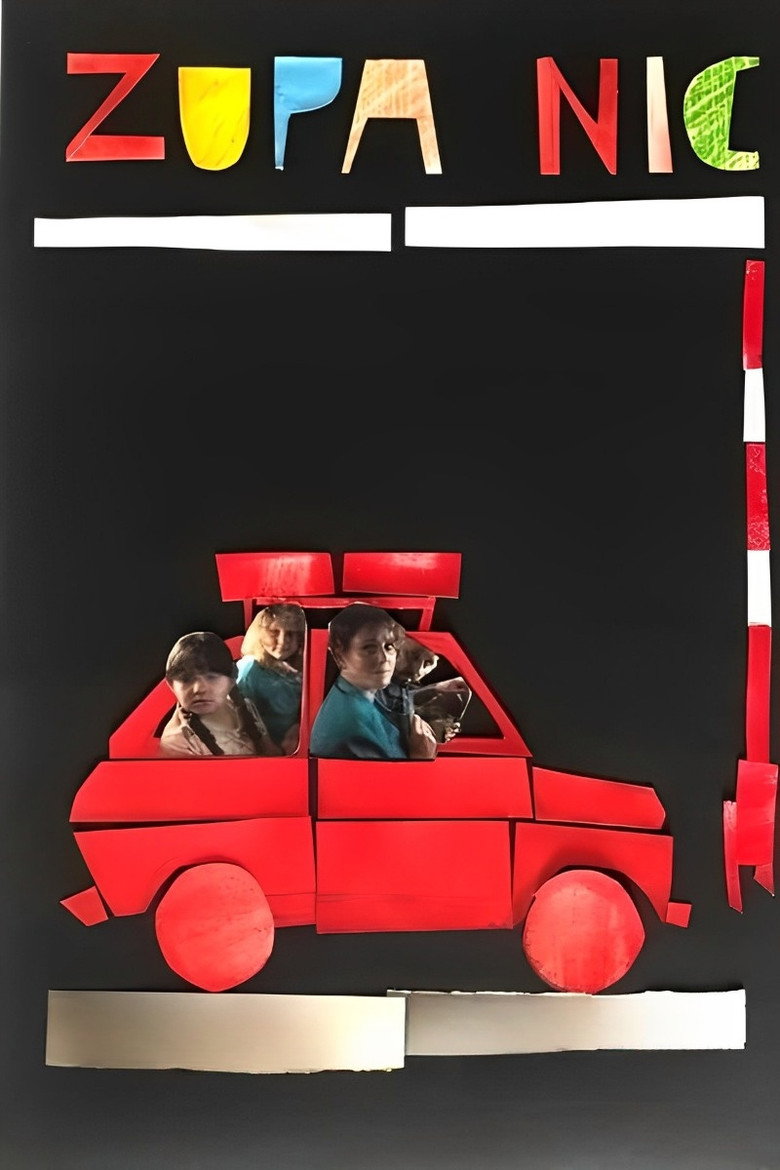
Marta is a romantic and a loser in school. She shares a room with her sister Kasia and grandma, who tells her granddaughters insurgency stories instead of fairy tales. In the room behind the wall, the parents - Tadek and Elżbieta - live their married life. He is an intelligent constantly humiliated by the state, he also makes his own moonshine after work and silently envies his prosperous brother in law. She is the leader of the "Solidarity" union at work, with the need for freedom and a dream to get out of Poland. The real adventure for the family starts when they manage to get their dream orange Fiat 126p. Ela and Tadek discover their appetite for trading and trips abroad, and the growing Marta will fall in love for the first time.
Overall Score
Fair
Category Breakdown
LGBTQ+ Representation
The film focuses on a central nuclear family and Marta's romantic awakening. There is no evidence of non-heteronormative relationship structures or LGBTQ+ characters.
Gender Representation
Female agency drives the narrative, particularly through Elżbieta’s leadership in the Solidarity union. Tadek provides a counter-narrative by portraying male vulnerability and systemic humiliation.
Racial & Ethnic Diversity
The cast reflects the demographic homogeneity of historical Poland. Identity is explored through political and social class rather than multi-ethnic or racial intersectionality.
Religious & Cultural Diversity
The story critiques state authority by framing it as an oppressive force. It highlights the struggle for freedom through the lens of the Solidarity movement.
Disability Representation
No visible or invisible disabilities are central to the character arcs or the plot progression.
Strengths
Areas for Improvement
AI Analysis
Back Then offers a nuanced period piece that replaces idealized historical heroism with a study of domestic dissatisfaction. It succeeds by dismantling traditional hierarchies, specifically through its subversion of gendered power dynamics. The film centers on the friction between individual aspirations and state-controlled constraints. By focusing on characters who are 'losers' or 'humiliated,' the narrative provides a grounded look at social struggle during the Solidarity era. While the film is demographically limited by its historical setting, it finds depth in exploring class and political identity. It prioritizes personal agency and the pursuit of freedom over state-mandated stability.
1950

2022

1997

2017

1982

1993

2020

1995

1967

1990

1978
1993
No reviews yet. Be the first to share your thoughts on this movie!
Use the rating form above to leave a star rating and optional review.