
How to Be a Woman and Not Die in the Attempt
1991
No user ratings available yet
Diversity score: 4.9 out of 10
2020
Director
Martin Provost
Runtime
108 minutes
Average Rating
No ratings yetSynopsis
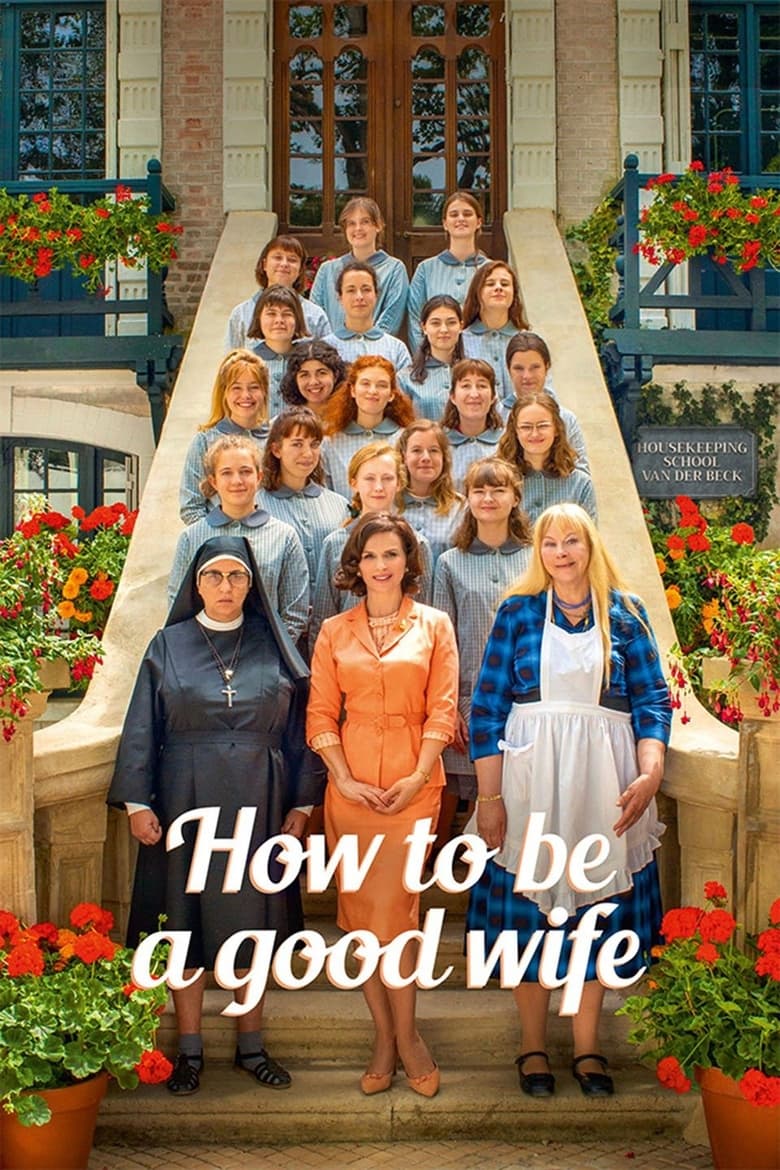
Paulette Van Der Beck and her husband have been running the housekeeping school of Bitche in Alsace for many years. Their mission is to train teenage girls to become the perfect housewives at a time when women were expected to be subservient to their husband. After the sudden death of her husband, Paulette discovers that the school is on the verge of bankruptcy and has to take her responsibilities. But while preparations are underway for the best housekeeping competition TV show, she and her lively students start questioning their beliefs as the nation-wide protests of May 1968 transform society around them. Reunited with her first love, André, and with the help of her eccentric stepsister Gilberte and strict nun Marie-Therese, Paulette joins forces with the schoolgirls to overcome their suppressed status and become liberated women.
Overall Score
Good
Category Breakdown
LGBTQ+ Representation
The film does not center on non-heteronormative identities. It avoids derogatory tropes, focusing instead on female solidarity and evolving social roles.
Gender Representation
The narrative excels by subverting traditional hierarchies. It moves from training 'perfect housewives' to portraying women reclaiming intellectual and social agency.
Racial & Ethnic Diversity
The film reflects the demographic homogeneity of 1968 Alsace. While period-accurate, the story lacks intersectional breadth regarding racial or ethnic diversity.
Religious & Cultural Diversity
The story provides a nuanced critique of religious and domestic institutions. It frames the disruption of traditional social orders as a path toward liberation.
Disability Representation
There is no significant focus on visible or invisible disabilities within the narrative.
Strengths
Areas for Improvement
AI Analysis
Martin Provost’s film serves as a sophisticated study of institutional deconstruction. By setting the story during the May 1968 protests, the film captures the friction between rigid domesticity and emerging social liberation. The strength of the work lies in its ability to transform domestic labor from a tool of subjugation into a platform for female empowerment. It successfully deconstructs the 'ideal housewife' trope, replacing it with a framework of individual autonomy. However, the film is limited by its historical specificity. While it offers a deep dive into gendered social shifts, it lacks significant racial and LGBTQ+ representation, reflecting the localized landscape of the era.
1991

2019

2018

2020

2016

1974

1976

2012
1978

2018

2010

2018
No reviews yet. Be the first to share your thoughts on this movie!
Use the rating form above to leave a star rating and optional review.