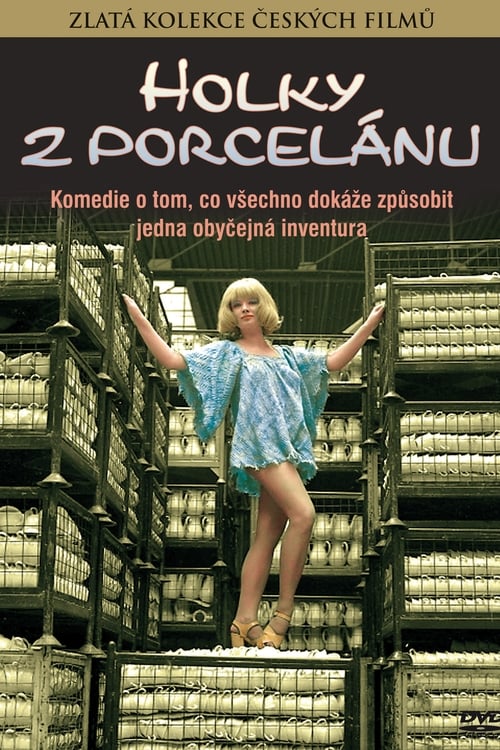
Girls from a Porcelain Factory
1975
No user ratings available yet
Representation score: 4.1 out of 10
Representation Score
Fair
1950
Director
Ján Kadár
Runtime
91 minutes
Average Rating
No ratings yetNew Showbiz Analysis
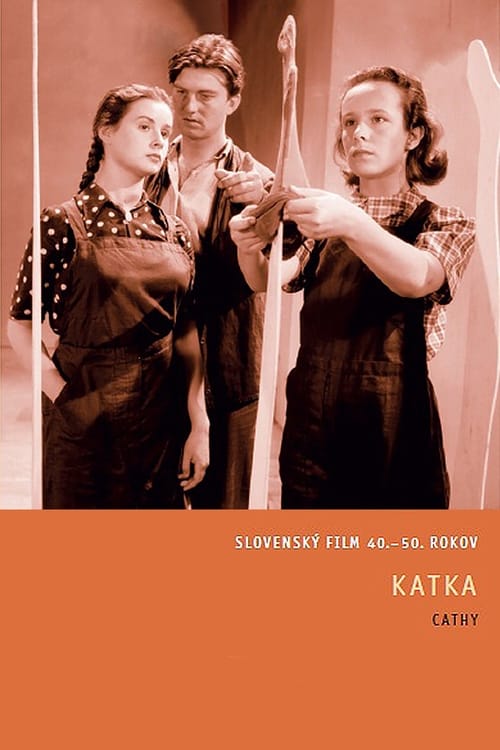
Katka is a character study focused on disrupting traditional rural hierarchies. The film's strength lies in its early engagement with women's ability to drive the story, positioning a woman as the primary driver of the plot through her pursuit of labor and autonomy. However, the film lacks representation of LGBTQ+ identities and appears demographically homogeneous, reflecting the era's social context. The narrative focuses heavily on the shift from agrarian traditions to modern industrial structures. Ultimately, the film succeeds as a social commentary on class and gender, even while remaining limited in its scope of identity representation.
Category Breakdown
The film does not include any LGBTQ+ characters or stories about non-cisgender identities. It focuses on the protagonist's journey from a domestic to a professional environment.
Katka is a strong-willed protagonist who challenges traditional gender roles. She defies her father to pursue industrial work, rejecting the stereotype of a submissive woman.
The film likely mirrors the demographic uniformity of its 1950s regional setting. While there is no visible racial diversity, the narrative explores social stratification through class-based shifts from peasant to urban worker.
The story looks at the tension between traditional farming lifestyles and modern urban living. Katka's rejection of her family unit highlights a critique of old-world institutions in favor of a secular, industrial lifestyle.
There is no indication that disability or neurodivergence plays a role in the character arcs or plot.
Present on Screen
Limited or Absent
Official Synopsis
Strong-willed peasant girl Katka disobeys her father and heads to the city to work in a factory, where no one knows quite what to make of her.
1975

1962

1939
1967

1969
1987

1961

1964
No reviews yet. Be the first to share your thoughts on this movie!
Use the rating form above to leave a star rating and optional review.