Hippolyt
1999
No user ratings available yet
Representation score: 1.9 out of 10
Representation Score
Fair
2005
Director
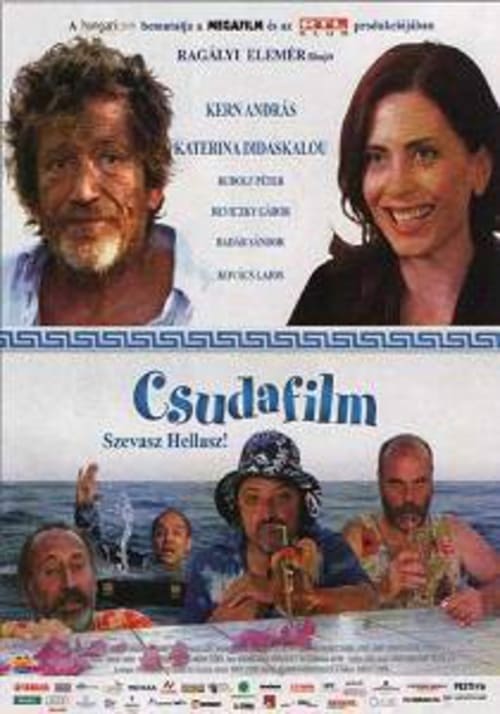
Elemér Ragályi
Runtime
90 minutes
Average Rating
No ratings yetNew Showbiz Analysis
Csudafilm offers a nuanced look at how systemic political shifts and class struggles shape individual lives. Its strength lies in its ability to weave personal history with large-scale socio-political changes, such as the transition to communism and the impact of the 'Ratkó' era. However, the film remains limited by a traditional narrative structure. The central romance follows a conventional path, and the focus on a male protagonist's journey leaves little room for diverse gender or LGBTQ+ perspectives. Ultimately, the film succeeds as a cultural critique of legalistic and capitalist institutions, even as it lacks explicit representation for many underrepresented groups.
Category Breakdown
The film focuses on a traditional romantic relationship between the protagonist and Gizi Weiss. There is no explicit depiction of LGBTQ+ identities or non-straight relationships.
The story centers on a male protagonist, but female-driven historical events play a crucial role in the plot. Gizi Weiss serves as a pivotal figure in the central narrative arc.
The narrative follows a character of Greek aristocratic descent set in a Hungarian context. This cross-cultural framework disrupts depictions of a purely homogeneous national identity.
The film explores the tension between individual identity and state-driven communist systems. It critiques capital-driven institutions through the lens of a legendary inheritance and historical social shifts.
There is no evidence regarding the portrayal of physical or neurodivergent disabilities.
Present on Screen
Limited or Absent
Official Synopsis
A disowned son of a Greek aristocrat arrives in Hungary in 1949 over his family’s communist beliefs and starts work in the Lágymányos tobacco factory, where he falls for Gizi Weiss and fathers their first child in 1953. Fifty years later, the now-destitute “Ratkó baby” is whisked from the Baross Square underpass to Crete by a legion of lawyers to claim his share of a legendary inheritance.
1999
1982

1993
1983
1992

1979
2002

1965
No reviews yet. Be the first to share your thoughts on this movie!
Use the rating form above to leave a star rating and optional review.