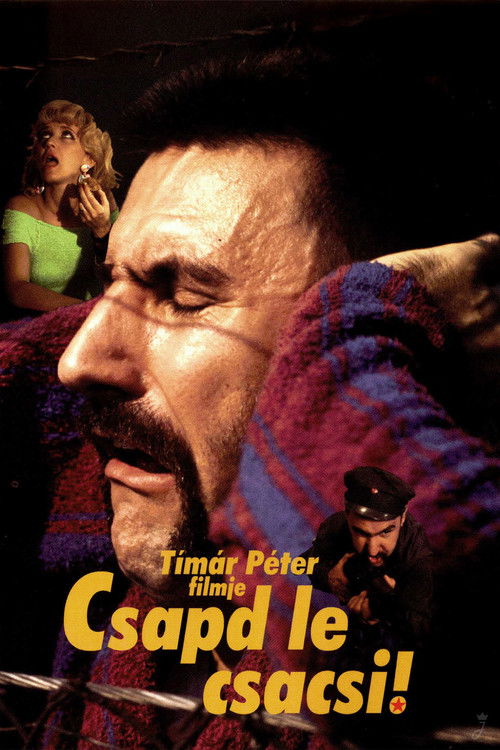
Slap-Jack
1992
No user ratings available yet
Representation score: 4.7 out of 10

Representation Score
Fair
1979
Director
Péter Bacsó
Runtime
108 minutes
Average Rating
No ratings yetNew Showbiz Analysis
The Witness is a sophisticated satire that uses absurdity to critique systemic corruption. While it lacks diversity in terms of identity-based representation, it offers a powerful critique of institutional authority. The film's strength lies in its cultural subversion. By framing the state as a chaotic and performative entity, it challenges the sanctity of political power through indirect language. However, the historical setting limits the presence of LGBTQ+, racial, and gender diversity. The narrative focuses on survival within a monolithic, state-driven environment rather than individual identity exploration.
Category Breakdown
The film lacks explicit LGBTQ+ characters or narratives. The strict state surveillance of the 1950s setting leaves little room for exploring non-traditional gender identities.
Gender roles remain largely traditional, particularly within the circus and bureaucracy. The film reflects the era's social constraints rather than challenging traditional masculinity.
The cast is culturally homogeneous, reflecting the specific Hungarian context of the 1950s. This lack of diverse representation stems from the historical setting.
The film excels by using satire to critique corrupt state institutions. It deconstructs official truths to expose the hollow morality of the ruling regime.
No prominent physical or neurodivergent disabilities drive the characters. Figures are defined by their political relationships and circus roles rather than disability-related roles.
Present on Screen
Limited or Absent
Official Synopsis
Hungary, 1950s. József Pelikán, who works as a dam keeper on the Danube, meets by chance Zoltán Dániel, an old friend whom he saved from death years before and who is now a powerful politician.
1992
1953
1999
1970
1957
2000

1977
2005
No reviews yet. Be the first to share your thoughts on this movie!
Use the rating form above to leave a star rating and optional review.