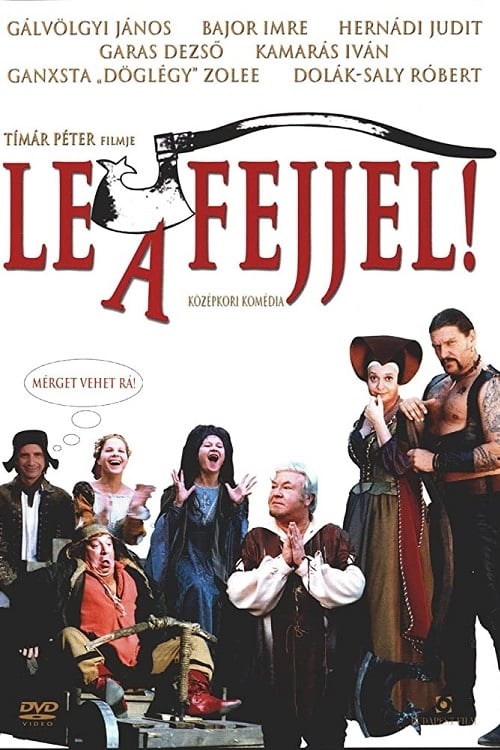
Le a fejjel!
2005
No user ratings available yet
Representation score: 1.2 out of 10
Representation Score
Fair
1992
Director
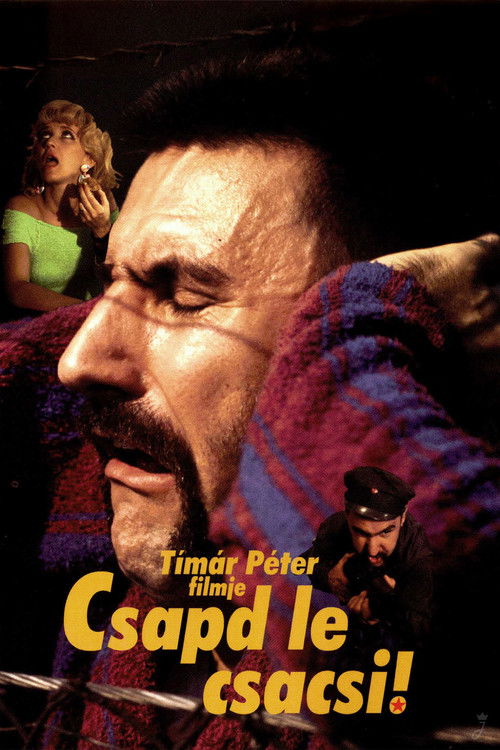
Péter Tímár
Runtime
80 minutes
Average Rating
No ratings yetNew Showbiz Analysis
Slap-Jack is a localized comedy that emphasizes regional authenticity over the intentional subversion of identity-based power dynamics. It reflects the specific social and political tensions present in 1980s Hungary. The film adheres to the demographic and social norms of its time and place. While it offers a critique of systemic structures and institutional authority, it does not use multi-layered narrative strategies or actively disrupt traditional hierarchies.
Category Breakdown
The film does not include visible LGBTQ+ identities or same-sex intimacy. It focuses on the social dynamics of Budapest suburbs without exploring queer themes.
The roles follow traditional gender norms of the late 1980s. The film does not challenge gender power dynamics or portray masculinity in an unconventional way.
The cast is mostly made up of people from similar ethnic backgrounds, reflecting the demographics of Hungarian suburbs in that era. It does not use actors from different racial backgrounds or employ non-human metaphors.
The story highlights the tensions in a changing political environment in Hungary through its depiction of a worker's training base. It critiques institutional authority.
The film does not feature characters with visible or invisible disabilities playing key roles in the narrative. Disability is not used as a central theme.
Present on Screen
Limited or Absent
Official Synopsis
The story happens in 1989 in the suburbs of Budapest, where the neighbor maintains an underground worker's guard training base, while the youngsters fall victim to a mistakenly posted letter.
2005
1967
2002
1999
2000
2001

2021
1998
No reviews yet. Be the first to share your thoughts on this movie!
Use the rating form above to leave a star rating and optional review.