
The White Hell of Pitz Palu
1929
No user ratings available yet
Diversity score: 1.3 out of 10
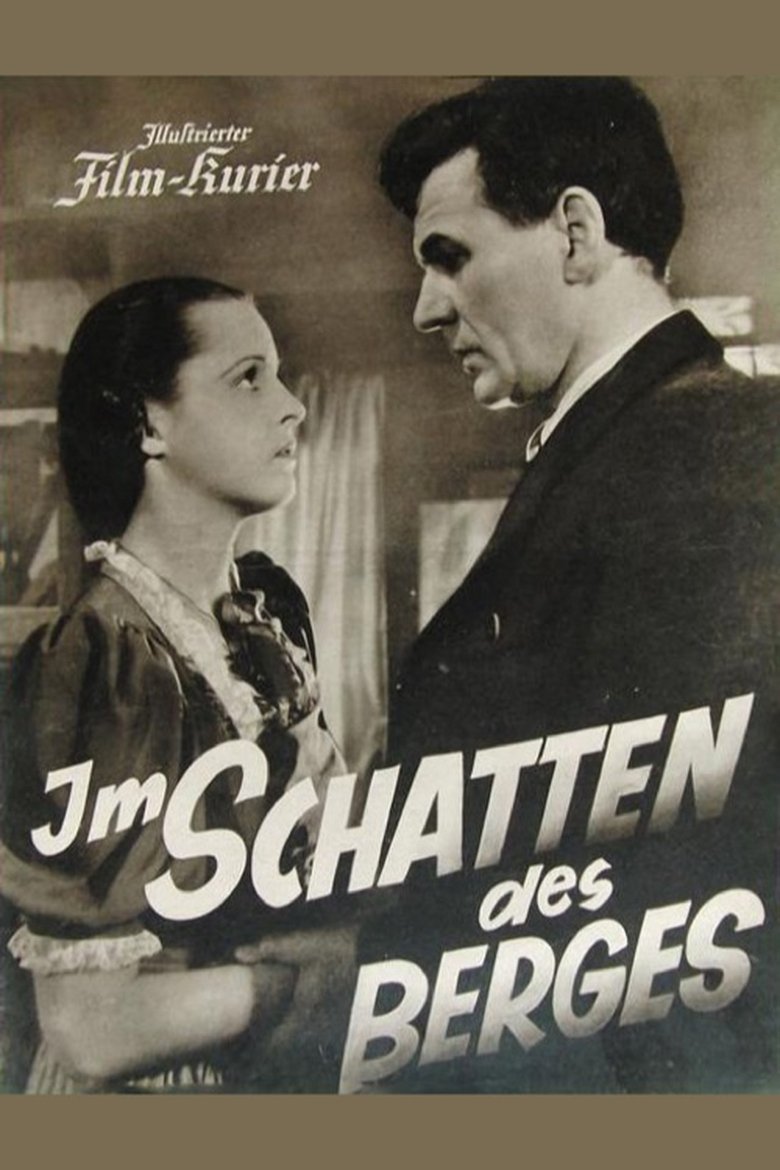
1940
Director
Alois Johannes Lippl
Runtime
90 minutes
Average Rating
No ratings yetSynopsis
In a village near a deadly mountain ascent the people repeatedly have to help climbers in danger who didn't make it to the top, in fact nobody made it yet up there. Hansi Knoteck can't stand anymore the danger after a member of the rescue party dies and demands from Attila Hörbiger that he steps back from participating in his rescue efforts. Finally he relents but the villagers ostracize them. In the meantime Winnie Markus tries to seduce Richard Häußler who makes the life for his wife Viktoria von Ballasko a hell through his infidelities.
Overall Score
Minimal
Category Breakdown
LGBTQ+ Representation
The film lacks any evidence of queer narratives or non-heteronormative identities. The plot focuses on conventional romantic conflicts and marital infidelity.
Gender Representation
Gender roles appear strictly traditional, centered on domestic influence and marital instability. Women navigate conflicts through seduction or attempts to influence men's professional pursuits.
Racial & Ethnic Diversity
The setting and character names suggest a homogeneous European cast. There is no indication of racial blending or non-white representation within the village.
Religious & Cultural Diversity
The narrative emphasizes communal morality and social cohesion within a localized village. It adheres to established social norms rather than subversive or secularist themes.
Disability Representation
There is no information regarding characters with physical, sensory, or neurodivergent disabilities.
Strengths
Areas for Improvement
AI Analysis
Im Schatten des Berges is a period drama that operates within the rigid social frameworks of 1940s European cinema. The story prioritizes traditionalist hierarchies, focusing on mountain rescue efforts and the domestic fallout of infidelity. The film offers very little in the way of diverse perspectives, instead centering on a homogeneous demographic. Character motivations are tied to conventional social pressures and the consequences of deviating from village norms. Ultimately, the work functions as a study of localized cultural norms and traditional gendered power dynamics, providing minimal disruption to the status quo of its era.
1929
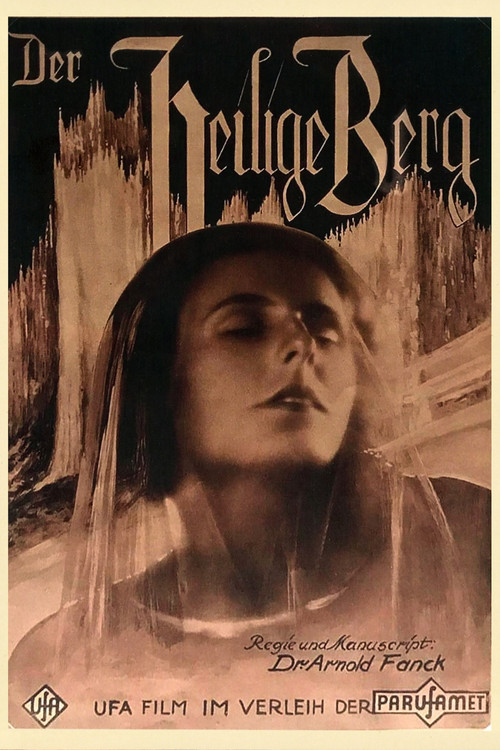
1926
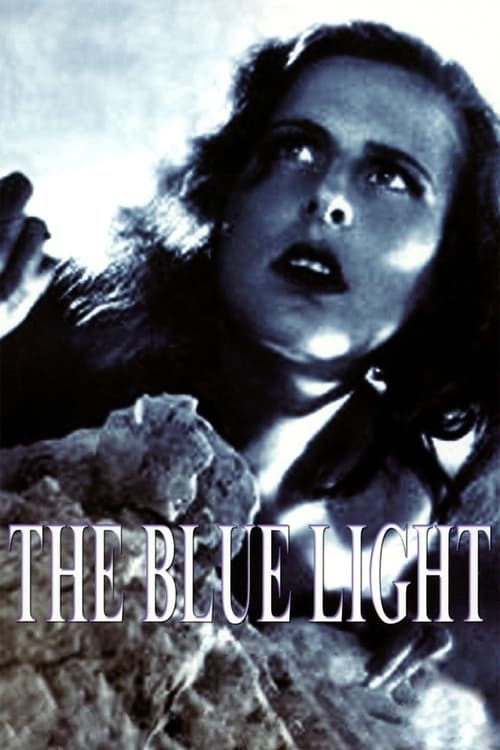
1932

2022
No reviews yet. Be the first to share your thoughts on this movie!
Use the rating form above to leave a star rating and optional review.