Maytime
1937
No user ratings available yet
Representation score: 2.1 out of 10
Representation Score
Minimal
1938
NRDirector
Henry King
Runtime
106 minutes
Average Rating
No ratings yetNew Showbiz Analysis
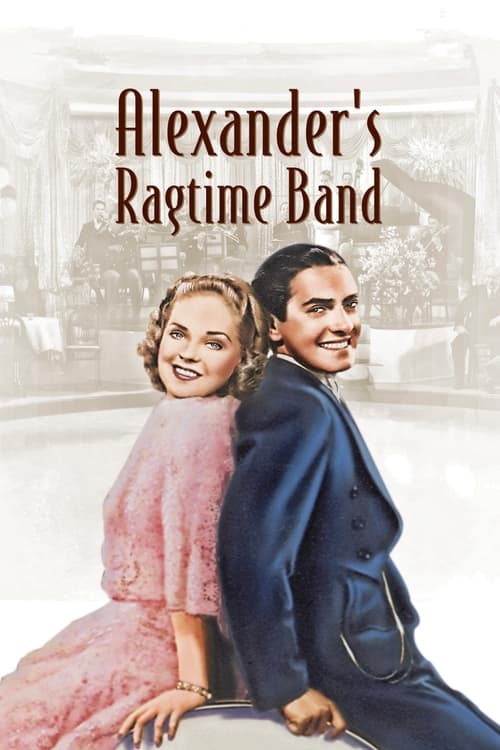
Alexander's Ragtime Band exemplifies Golden Age Hollywood storytelling, emphasizing established social norms and traditional hierarchies. While it engages with the cultural rise of jazz, it does so through a lens that centers white, male control. The film's structure reinforces conventional romantic and professional clichés. It lacks the complexity and systemic critique needed to go beyond a standard commercial musical framework.
Category Breakdown
The film follows traditional heterosexual relationships and marriages. There are no depictions of non-binary gender identities or stories that challenge the social norms of the 1930s.
Stella demonstrates professional ambition, but her role is limited by the male lead's possessiveness. The story reinforces traditional romantic hierarchies and period clichés of domestic life.
The plot revolves around a white protagonist who adopts jazz and ragtime for success. This reflects an era where minority musical innovations were often commodified through a dominant culture lens.
The narrative celebrates Western values of romantic loyalty and professional perseverance. It focuses on individual success within a capitalist framework without deconstructing social institutions.
There are no visible or invisible disabilities portrayed as central to the character arcs or plot development.
Present on Screen
Limited or Absent
Official Synopsis
Classical violinist Roger Grant disappoints his family and teacher when he organizes a jazz band, but he and the band become successful. Roger falls in love with the band's singer, Stella, but his reluctance to lose her leads him to thwart her efforts to become a solo star. When the World War separates them in 1917, Stella marries Roger's best friend and, when Roger returns home after the war, an important concert at Carnegie Hall brings the corners of the romantic triangle together.
1937

1954
1955
1948
1989
1937
1940
1981
No reviews yet. Be the first to share your thoughts on this movie!
Use the rating form above to leave a star rating and optional review.