Alexander's Ragtime Band
1938
No user ratings available yet
Representation score: 0.8 out of 10
Representation Score
Limited
1989
PGDirector
Anne Wheeler
Runtime
117 minutes
Average Rating
No ratings yetNew Showbiz Analysis
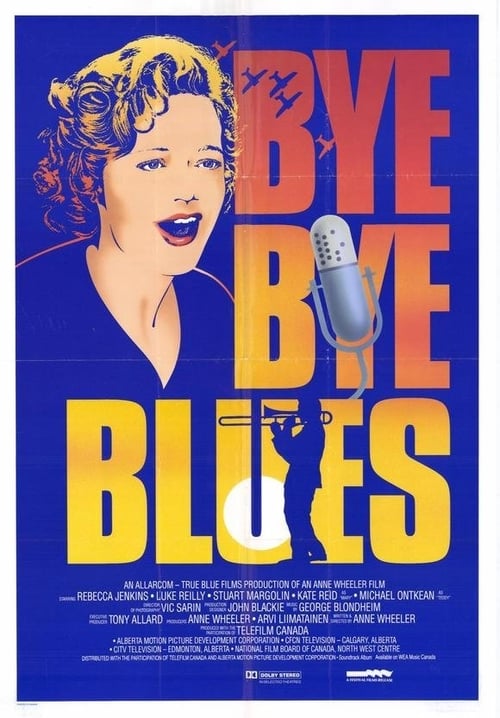
Bye Bye Blues is a traditional period romance that prioritizes individual emotional growth over systemic critique. While it offers a nuanced look at female resilience during World War II, the film remains tethered to the demographic hierarchies of the late 1940s. The narrative succeeds in showing a woman's professional and personal evolution, yet it lacks multi-layered depth. The focus on a central romantic tension keeps the story within conventional social frameworks. Ultimately, the film provides meaningful character development for its protagonist but fails to disrupt traditional power dynamics or include diverse cultural perspectives.
Category Breakdown
The story centers on a conventional romantic triangle between a woman and two men. There is no evidence of queer identities or non-straight relationships.
Daisy Cooper demonstrates a significant role in driving the story as she evolves from a dependent spouse into a professional musical provider. Her journey challenges some domestic expectations of the era.
The narrative focuses on an Anglo-Saxon social sphere within Canada and the UK. It lacks diverse casting or perspectives from the Singapore setting.
The film explores the moral complexities of marital fidelity during wartime. It remains grounded in traditional social realities without challenging Western institutional norms.
The film contains no documented characters with physical, sensory, or neurodivergent disabilities.
Present on Screen
Limited or Absent
Official Synopsis
During World War II, Daisy Cooper returns home to Canada with her children after her British husband, soldier Teddy, is assigned to Singapore. With the help of trombonist Max Gramley, Daisy's amateurish piano and vocal skills improve, and soon she is supporting her family with her performances. Unsure whether Teddy is alive or dead, Daisy is torn between staying faithful and giving in to her growing feelings for Max.
1938

1981

1955

1958

1991

1940

1937

1954
No reviews yet. Be the first to share your thoughts on this movie!
Use the rating form above to leave a star rating and optional review.