Shango
1970
No user ratings available yet
Diversity score: 3.4 out of 10
1967
Director
Edoardo Mulargia
Runtime
90 minutes
Average Rating
No ratings yetSynopsis
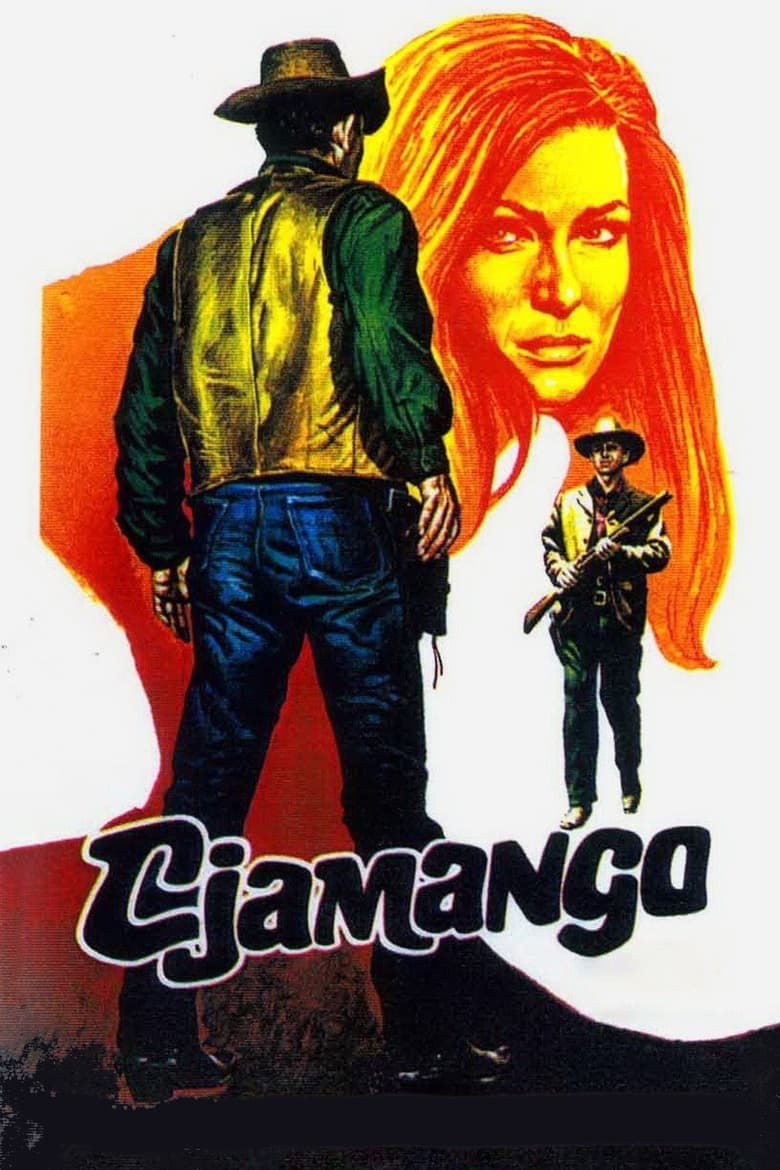
Just when Cjamango has won a bag of gold in a poker game, he is attacked by the gangs of El Tigre and Don Pablo. As he recovers from the injuries caused by the attack, Cjamango becomes attached to a Mexican boy, Manuel, and to a beautiful girl, Perla. El Tigre and Pablo are meanwhile at odds with one another about the gold, and Cjamango tries to play them against themselves
Overall Score
Limited
Category Breakdown
LGBTQ+ Representation
The film lacks LGBTQ+ characters or narratives that challenge heteronormativity. The plot centers on traditional masculine conflict and a standard romantic interest in Perla.
Gender Representation
Gender roles follow 1960s hierarchies, with the male protagonist driving the action. Perla is framed primarily through her beauty and her relationship to the lead.
Racial & Ethnic Diversity
Mexican characters like Manuel and El Tigre provide ethnic variety. However, these roles often lean into established outlaw archetypes rather than offering deep, disruptive agency.
Religious & Cultural Diversity
The story focuses on frontier justice and the pursuit of gold. It does not interrogate Western institutions or offer a critique of traditional social orders.
Disability Representation
While the protagonist sustains injuries, these serve as a plot device for character development. There is no nuanced exploration of disability as a central theme.
Strengths
Areas for Improvement
AI Analysis
Cjamango is a quintessential Spaghetti Western that adheres strictly to the genre conventions of its era. While it moves beyond Anglo-centric tropes by including Mexican characters, the narrative remains rooted in traditional power dynamics and archetypes. The film prioritizes kinetic action and material stakes over social complexity. Character motivations are driven by gold and gang warfare rather than any attempt to subvert established social or gender hierarchies. Ultimately, the representation is functional rather than transformative. The inclusion of diverse characters does not translate into meaningful intersectional depth or a challenge to the status quo.
No reviews yet. Be the first to share your thoughts on this movie!
Use the rating form above to leave a star rating and optional review.