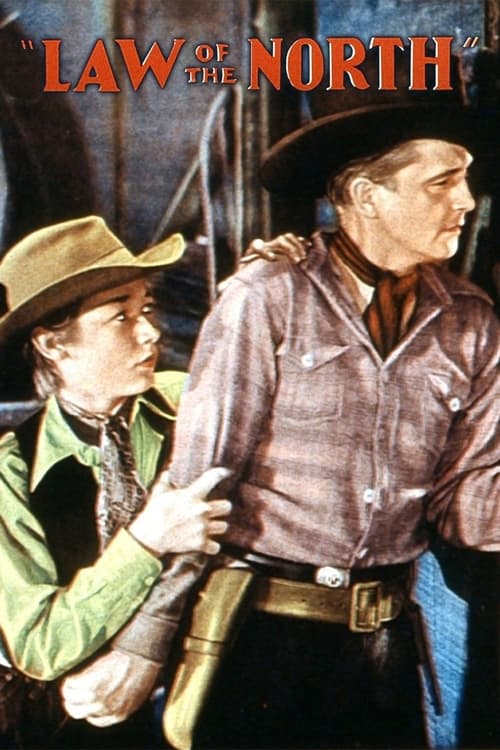
Law of the North
1932
No user ratings available yet
Diversity score: 1.9 out of 10
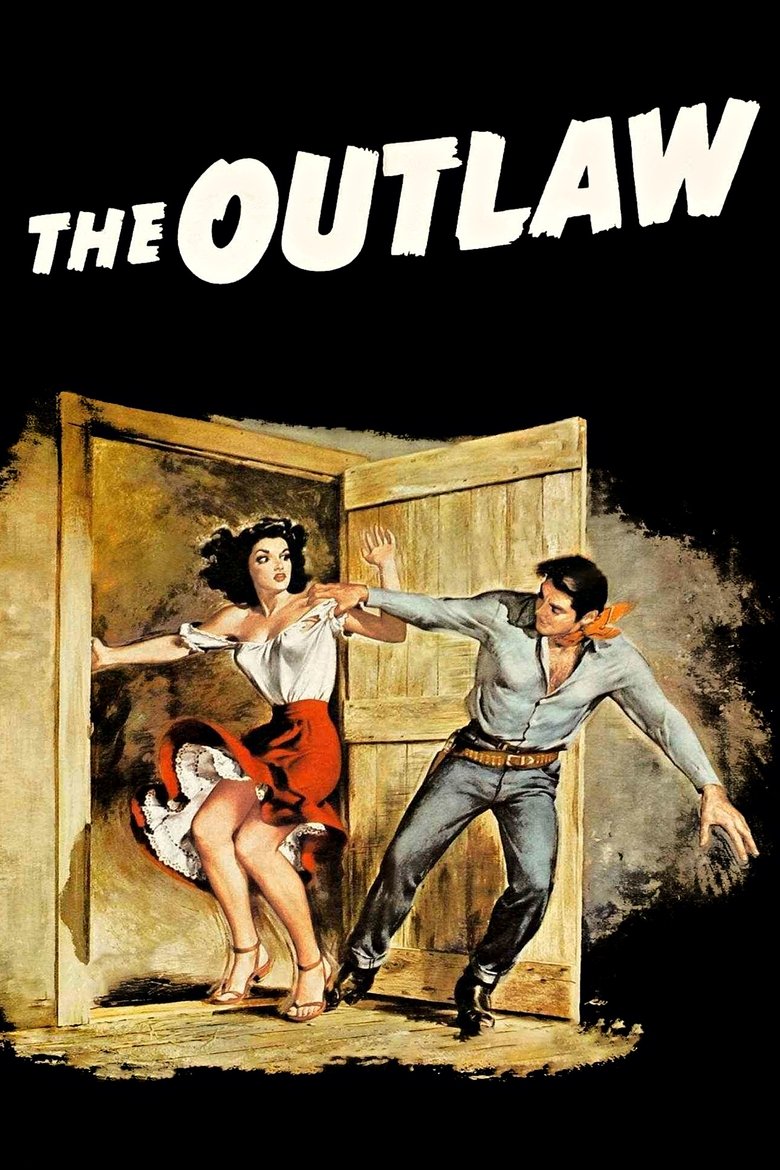
1943
NRDirector
Howard Hughes
Runtime
116 minutes
Average Rating
No ratings yetSynopsis
Newly appointed sheriff Pat Garrett is pleased when his old friend Doc Holliday arrives in Lincoln, New Mexico on the stage. Doc is trailing his stolen horse, and it is discovered in the possession of Billy the Kid. In a surprising turnaround, Billy and Doc become friends. This causes the friendship between Doc and Pat to cool. The odd relationship between Doc and Billy grows stranger when Doc hides Billy at his girl Rio's place after Billy is shot.
Overall Score
Minimal
Category Breakdown
LGBTQ+ Representation
The film lacks any depictions of LGBTQ+ identities or non-cisnormative gender expressions. Romantic tensions are strictly framed within traditional heteronormative structures.
Gender Representation
Jane Russell’s Rio provides central female agency that challenges passive archetypes. However, this agency functions through the femme fatale trope, leaving masculine authority as the primary power structure.
Racial & Ethnic Diversity
The cast is predominantly white and Anglo-Saxon, reflecting 1943 production standards. There is no significant representation of non-white characters in positions of agency.
Religious & Cultural Diversity
The narrative uses moral relativism to romanticize outlaw protagonists. While it complicates the binary of good versus evil, it lacks critique of Western institutions like religion.
Disability Representation
There are no notable depictions of physical, neurodivergent, or sensory disabilities within the primary character arcs.
Strengths
Areas for Improvement
AI Analysis
The Outlaw is a landmark of cinematic provocation, yet its subversion is centered on sexual mores rather than social identity. While it challenged the Hays Code, it remained tethered to the traditional Western genre's hierarchies. The film's strength lies in its nuanced portrayal of morality through its protagonists. By romanticizing outlaws, it moves away from simple binary storytelling, though this depth does not extend to systemic social critiques. Representation remains heavily limited by the era's standards. The cast is largely homogeneous, and the female agency present is ultimately channeled through tropes that reinforce existing patriarchal dynamics.
No reviews yet. Be the first to share your thoughts on this movie!
Use the rating form above to leave a star rating and optional review.