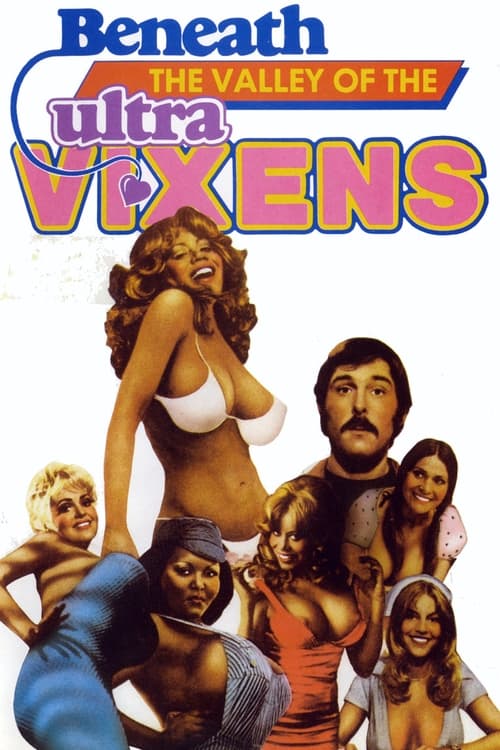
Beneath the Valley of the Ultra-Vixens
1979
No user ratings available yet
Diversity score: 4.5 out of 10
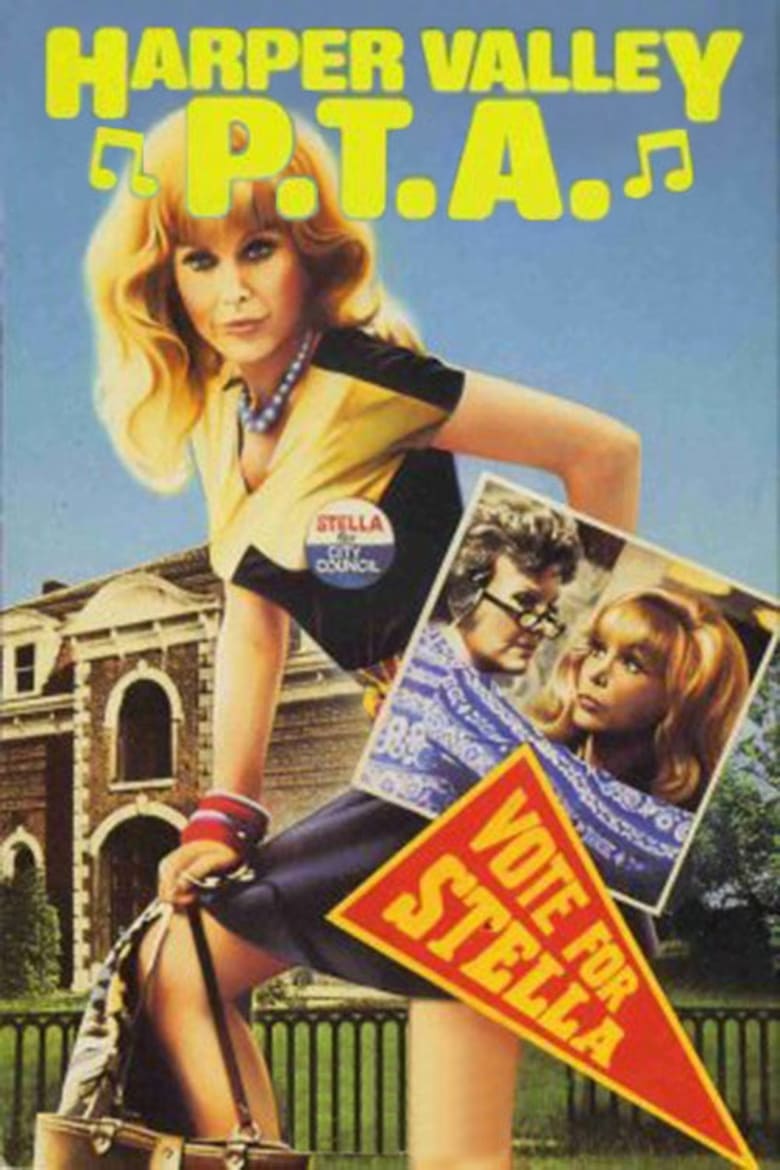
1978
PGDirector
Richard C. Bennett
Runtime
102 minutes
Average Rating
No ratings yetSynopsis
Stella Johnson is a single mother living in the town of Harper Valley. Most of the townsfolk, particularly those on the school PTA, think she is a little too liberal so they're making things tough for her and her daughter. So she runs for the position of PTA President, which infuriates them. Stella decides to get revenge with the help of her friends.
Overall Score
Fair
Category Breakdown
LGBTQ+ Representation
The film operates within traditional social frameworks, focusing strictly on heteronormative structures. There is no visible presence of non-cisnormative identities or same-sex intimacy.
Gender Representation
Stella Johnson subverts expectations of submissive femininity by demonstrating high agency. She uses intellect and social maneuvering to challenge the patriarchal and matriarchal gatekeepers of her community.
Racial & Ethnic Diversity
The production features a predominantly white, homogeneous cast reflecting its 1978 rural American setting. There is no evidence of significant racial blending or diverse ethnic backgrounds.
Religious & Cultural Diversity
The narrative critiques communal morality and the hypocrisy of organized social institutions. It positions the protagonist's defiance against the performative righteousness of the town's moral authorities.
Disability Representation
There are no prominent characters defined by physical, sensory, or neurodivergent disabilities. The story does not engage with disability as a central plot device.
Strengths
Areas for Improvement
AI Analysis
Harper Valley P.T.A. is a film of contradictions, pairing a demographically narrow cast with a progressive thematic core. While it lacks racial and LGBTQ+ breadth, it excels in its subversion of gendered social hierarchies. The protagonist serves as a powerful vehicle for reclaiming autonomy against restrictive communal standards. This makes the film a study of individual agency versus institutional control. Ultimately, the work is demographically traditional but thematically disruptive, challenging the stability of conventional social norms and the authority of local community structures.
1979
1999
1973
1976
1980

1975

1977

1967

1976
1974
1979
1977
No reviews yet. Be the first to share your thoughts on this movie!
Use the rating form above to leave a star rating and optional review.