Cher Victor
1975
No user ratings available yet
Representation score: 2.8 out of 10
Representation Score
Good
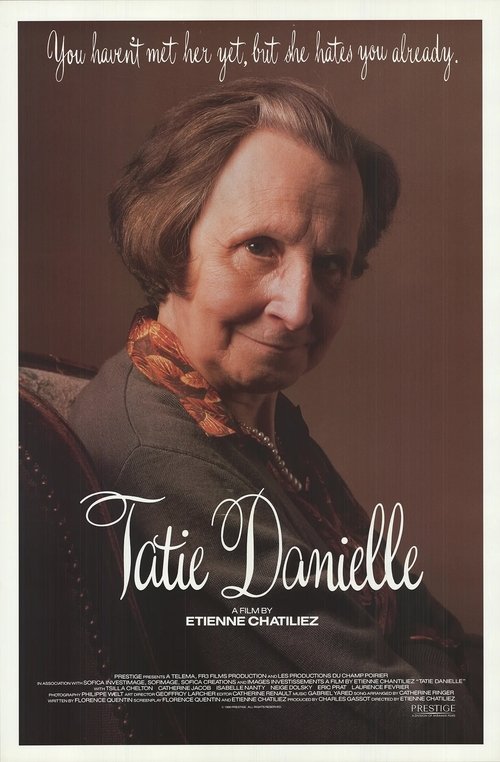
1990
PG-13Director
Étienne Chatiliez
Runtime
111 minutes
Average Rating
No ratings yetNew Showbiz Analysis
Tatie Danielle is a sophisticated dark comedy that succeeds by deconstructing social norms rather than through broad demographic representation. Its primary strength lies in its subversion of the traditional family unit and its refusal to offer comforting moralities. The film excels at critiquing Western institutions and the performative nature of social morality. By framing the 'villain' through psychological distress and the 'respectable' family as antagonists, it offers a cynical, postmodern perspective on reputation. However, the film lacks broad the way different parts of someone's identity overlap. While it provides a nuanced look at gender roles and mental health, it remains rooted in a specific social context with limited racial or LGBTQ+ representation.
Category Breakdown
The film focuses on domestic issues within a traditional family structure and does not include LGBTQ+ identities or non-cisgender expressions. However, it avoids using derogatory stereotypes.
The story challenges traditional hierarchies by focusing on two strong, abrasive female characters. It avoids the nurturing matriarch stereotype, instead showing female-led conflict and unconventional support.
Set within a specific French social context, the film lacks a predominantly non-white cast. It avoids idealized family depictions but does not extensively use diverse ethnic themes.
The film critiques the sanctity of the Western family unit, depicting it as hypocritical. It highlights how public perception often diverges from actual ethical realities.
Mental health is explored through Tatie’s descent into severe depression. The narrative uses her isolation to criticize social structures that fail the elderly and those with mental health issues.
Present on Screen
Limited or Absent
Official Synopsis
A black comedy about a widow who mourns the death of her husband by tormenting everyone she meets.
1975
1989

1993

2015

1994
1978
1985

1989
No reviews yet. Be the first to share your thoughts on this movie!
Use the rating form above to leave a star rating and optional review.