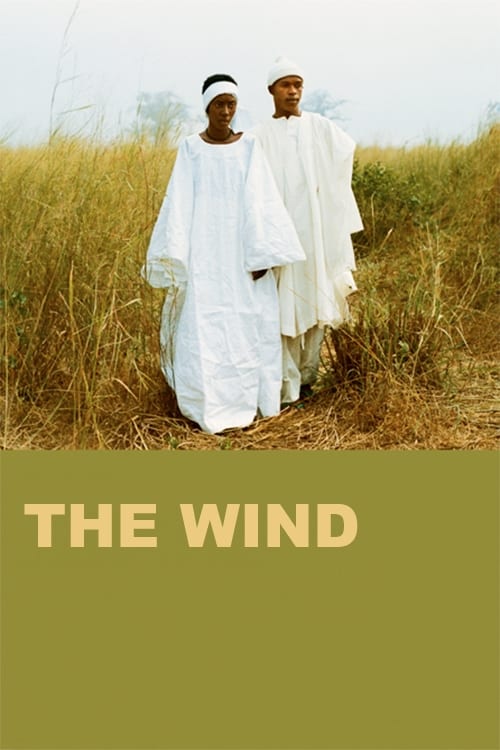
The Wind
1983
No user ratings available yet
Representation score: 3.3 out of 10
Representation Score
Limited
1995
Director
Souleymane Cissé
Runtime
140 minutes
Average Rating
No ratings yetNew Showbiz Analysis
Souleymane Cissé’s *Time* is a powerful exercise in post-colonial storytelling. It succeeds by centering African indigenous identity and resisting Western-centric developmental clichés, particularly through its authentic portrayal of Malian cultural frameworks. The film's strength lies in its refusal to frame non-Western societies through an external lens. By treating traditional knowledge and animist spirituality as vital forces, it challenges the dominance of Western narrative norms. However, the film remains rooted in traditional social structures. The lack of LGBTQ+ representation and the adherence to patriarchal hierarchies limit its scope regarding modern social diversity.
Category Breakdown
The film does not include any LGBTQ+ characters or narratives. The story focuses exclusively on lineage and the transmission of tradition within a rural Malian context.
The narrative depicts traditional patriarchal social structures. While characters have depth, the film presents these hierarchies as foundational elements rather than seeking to challenge them.
The film excels by centering an all-Black cast within an indigenous framework. It avoids the Western gaze, granting characters high ability to act within their own cultural ecosystem.
The work offers a sophisticated critique of Western encroachment. It emphasizes animist spirituality and ancestral wisdom over organized Abrahamic structures to portray non-Western metaphysics.
There are no prominent depictions of physical or neurodivergent disabilities. No such characters serve as central drivers for the plot.
Present on Screen
Limited or Absent
Official Synopsis
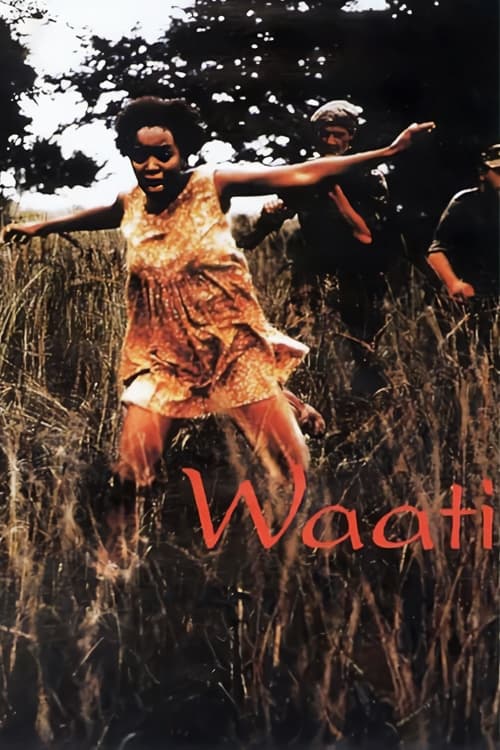
Beginning in South Africa under the apartheid regime, the film follows a young girl who flees the country after a violent confrontation with a local white landowner in which her father is killed. She settles in Abidjan, where, ten years later, she has become a university student. As part of her studies, she visits the Taureg tribe on the edge of the Sahara before at last returning to post-Apartheid South Africa.
1983
1988
1996
1966

2018

1989
2008
1988
No reviews yet. Be the first to share your thoughts on this movie!
Use the rating form above to leave a star rating and optional review.