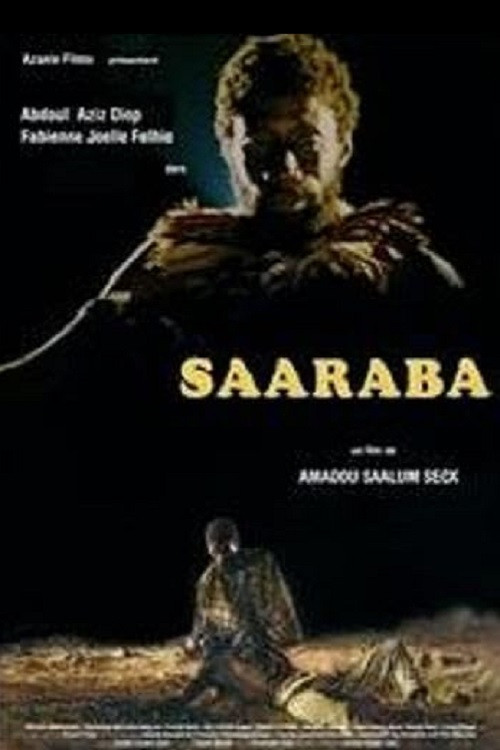
Saaraba
1988
No user ratings available yet
Representation score: 6.4 out of 10
Representation Score
Excellent
1996
Director
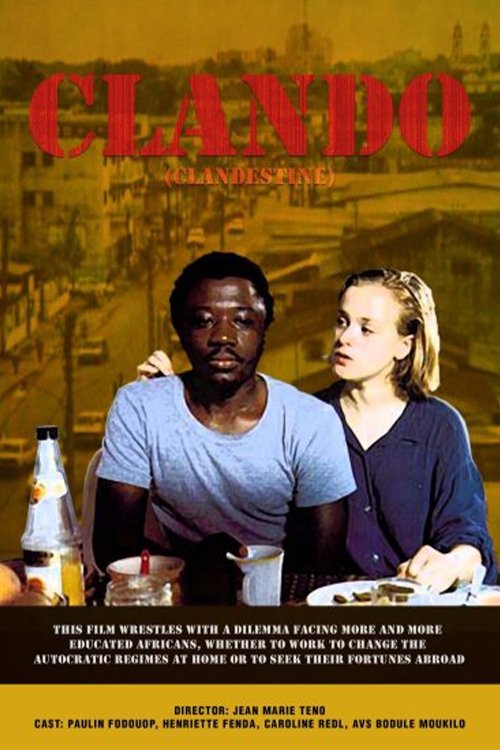
Jean-Marie Téno
Runtime
98 minutes
Average Rating
No ratings yetNew Showbiz Analysis
Clando provides a deep look at the migratory experience, shifting the focus from individual struggles to the broader economic structures that shape these journeys. By centering the lived experiences of West Africans navigating life in Europe, it offers a powerful critique of Western economic institutions and borders. The film’s strongest point is its authentic representation of the African diaspora. By prioritizing non-Western voices, it offers a nuanced view of how these institutions function as barriers. While the film excels in showcasing diverse racial and cultural perspectives, it does not delve deeply into LGBTQ+ or disability issues. These topics are not central to the documentary’s main focus on economic pressures.
Category Breakdown
The film does not specifically address LGBTQ+ narratives or non-traditional gender identities. There is no clear indication of queer themes or explicit same-sex relationships among the main characters.
The film highlights that the dangers of migration affect both men and women. While it focuses on male experiences, it also recognizes the unique challenges and ability to act of women during these risky journeys.
The film stands out by featuring a West African cast and the experiences of those in the diaspora. It avoids the perspective of Western filmmakers, allowing non-Western voices to lead the narrative.
The film examines the impact of global capitalism and the lingering effects of colonialism. It portrays being undocumented as a result of economic inequality rather than a moral or legal issue.
The film primarily focuses on the socioeconomic and psychological impacts of migration. It does not highlight visible or invisible disabilities as a central theme of the narrative.
Present on Screen
Limited or Absent
Official Synopsis
Proud and determined, the hunter set out, leaving behind his village ravaged by a terrible drought. All the villagers came out to wish him well, and everyone gave what he could: an egg, a handful of peanuts or a few kola nuts... As in the folktale, Sobgui, a former computer programmer who now drives a "clando" cab in Douala, flees to Europe to escape a life in Cameroon which has become unbearable. In Cologne (Germany), Sobgui joins a community of African emigrants. Most are hard-working and ambitious people. Sobgui begins a love affair with Madeleine, a German political activist who encourages Sobgui and his friends to return home and fight for change.
1988

1966
1995
1973
1987

1990
2014

2018
No reviews yet. Be the first to share your thoughts on this movie!
Use the rating form above to leave a star rating and optional review.