Mossane
1996
No user ratings available yet
Representation score: 4.9 out of 10
Representation Score
Good
1988
Director
Amadou Saalum Seck
Runtime
90 minutes
Average Rating
No ratings yetNew Showbiz Analysis
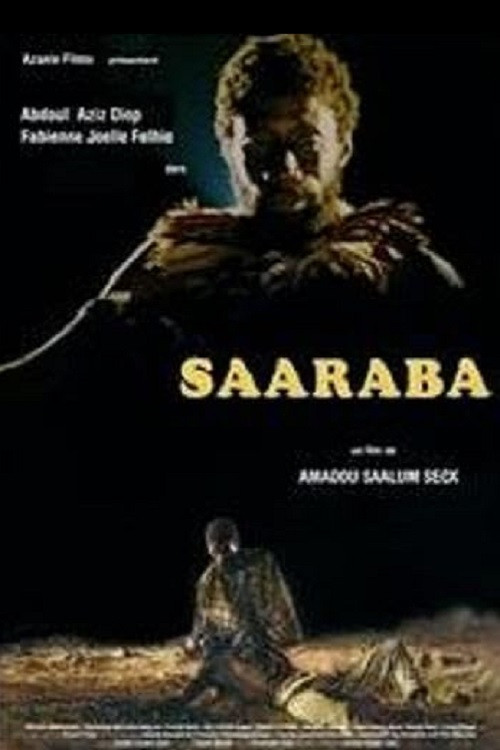
Saaraba is a sophisticated critique of post-colonial social dynamics in Senegal. It succeeds by centering local ability to act and using specific cultural contexts to challenge systemic corruption and institutional power. The film's strength lies in its refusal to rely on Western-centric clichés, instead focusing on the tension between tradition and modernity. By centering Lissa's ability to act, it provides a nuanced look at gendered resistance within a patriarchal society. However, the narrative remains centered on straight-centered structures, offering little visibility for LGBTQ+ identities. While it explores complex social tensions, it does not address disability representation.
Category Breakdown
The film doesn't include any visible LGBTQ characters or non-straight relationships. The main romance focuses on traditional family dynamics.
Lissa is a strong character who drives the story forward through her choices. The film highlights the challenges women face in a patriarchal society and within arranged marriages.
This Senegalese production centers on African ability to act and indigenous social complexities. It avoids the Western perspective by focusing on the specific socio-political context of Dakar.
The story examines the conflict between strict Islamic practices and personal freedom. It criticizes corrupt political systems by comparing them to the pursuit of a social utopia.
There is no mention of physical or neurodivergent disabilities in the film.
Present on Screen
Limited or Absent
Official Synopsis
Tamsir returns to Senegal after 17 years in Europe. His uncle gives him a patronage job in Dakar, virtually without duties. He visits his family's village to see his parents, and there he meets the beautiful Lissa. Tamsir espouses traditional ways, as does Lissa, but when her parents agree to marry her off to a corrupt and well-spoken member of parliament, Tamsir and Lissa dishonor the family and she becomes pregnant. The MP's response, his and Tasmir's uncle's plan to capture the village farmland, the reactions of Lissa's parents, who are strict followers of Islam, the disaffection of Dakar youth, and the dreams of a village mechanic to find "Saaraba" (Utopia) complete the story.
1996
1973
1970
1988
1996
1993
2022
1971
No reviews yet. Be the first to share your thoughts on this movie!
Use the rating form above to leave a star rating and optional review.