The Blue Note
1991
No user ratings available yet
Representation score: 6.8 out of 10
Representation Score
Fair
1991
PG-13Director
James Lapine
Runtime
107 minutes
Average Rating
No ratings yetNew Showbiz Analysis
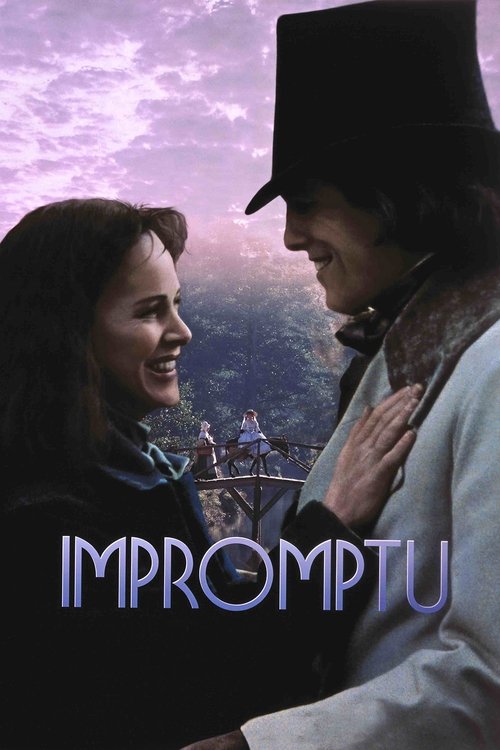
Impromptu is a character-driven period piece that excels in subverting gendered expectations. By centering on George Sand’s ability to act, the film provides a sophisticated look at female autonomy and intellectual independence. However, the film is constrained by its historical setting, resulting in a lack of racial and ethnic diversity. The narrative remains focused on a homogeneous European milieu, which limits its multi-layered reach. Ultimately, the film succeeds as a study of individualism, challenging traditional social roles and feminine clichés, even if it does not explicitly address broader identity politics.
Category Breakdown
The film explores George Sand’s non-conformity and gender fluidity through her unconventional lifestyle. However, it lacks explicit depictions of non-straight relationships or identities.
George Sand serves as a powerful protagonist with significant intellectual and personal autonomy. The narrative challenges period clichés by positioning her as a primary driver rather than a submissive interest.
The cast is predominantly homogeneous, reflecting the specific European setting of the 1830s. There is a notable absence of diverse racial backgrounds within the central narrative.
The story critiques restrictive 19th-century social institutions by focusing on Sand's outsider status. It emphasizes individual truth and the creative process over rigid societal expectations.
There is no significant evidence regarding the portrayal of physical or neurodivergent disabilities in the film.
Present on Screen
Limited or Absent
Official Synopsis
In 1830s France, pianist/composer Frédéric Chopin is pursued romantically by the determined, individualistic woman who uses the name George Sand.
1991

1992

2002

2009
2008
2004

1971

1994
No reviews yet. Be the first to share your thoughts on this movie!
Use the rating form above to leave a star rating and optional review.