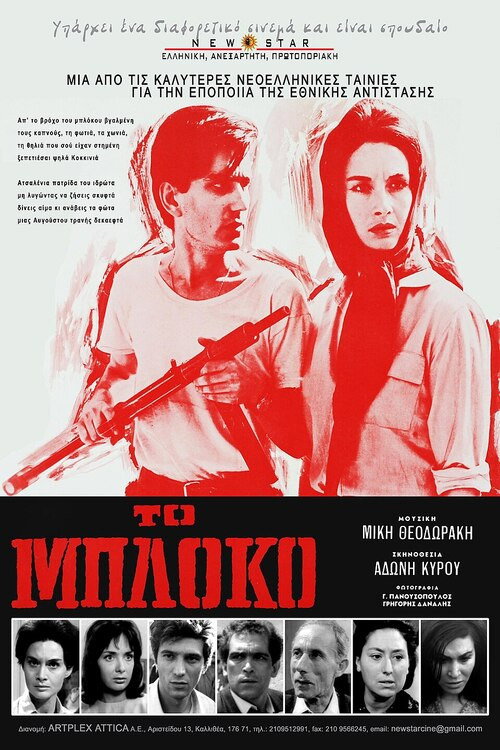
The Roundup
1965
No user ratings available yet
Representation score: 2.6 out of 10
Representation Score
Fair
1964
Director
Kostas Manoussakis
Runtime
96 minutes
Average Rating
No ratings yetNew Showbiz Analysis
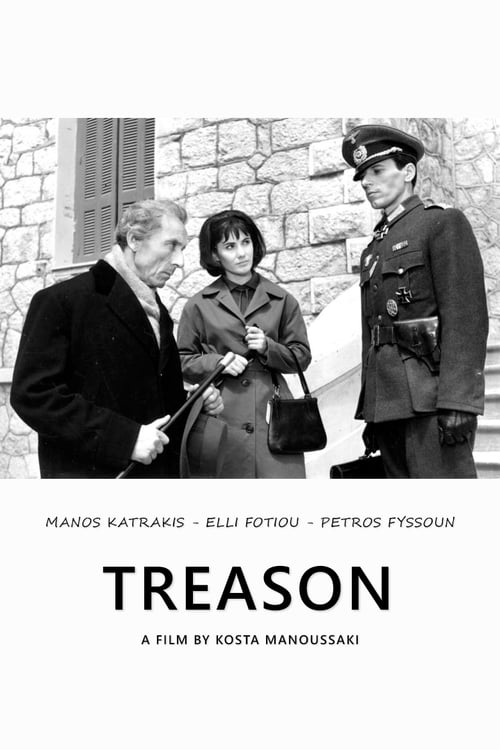
Treason (1964) offers a moderate level of representation by focusing on the Jewish experience during the Nazi occupation of Athens. This focus adds a layer of ethnic and religious depth to the narrative, which is often lacking in period war dramas. However, the film adheres to mid-century dramatic conventions. The romantic storyline relies on traditional clichés, and the female lead's role is often defined by her relationship to the male protagonist and the dangers he poses. Ultimately, while the film addresses important historical identities, it prioritizes traditional dramatic and romantic structures over more progressive narrative approaches.
Category Breakdown
The film focuses on a heterosexual romance between a Nazi officer and a Jewish woman. It does not include any queer subtext or non-cisgender identities, sticking to traditional romantic clichés.
The female protagonist drives much of the tension, but her role is often limited by the 'damsel in distress' cliché. The narrative does not challenge traditional gender roles.
The story centers on the Jewish experience during the Nazi occupation of Athens. This focus adds a nuanced layer of cultural and historical representation.
The film explores themes of survival and morality under an oppressive regime. It depicts the Nazi occupation of Athens and the specific struggles faced by the Jewish community.
There is no indication of the portrayal of physical or neurodivergent disabilities in this film.
Present on Screen
Limited or Absent
Official Synopsis
A Nazi officer arrives in occupied Athens in 1941 and falls in love with a Jewish girl, unaware of her true identity.
1965
1949

1960

1974

1959
1958
1970

1969
No reviews yet. Be the first to share your thoughts on this movie!
Use the rating form above to leave a star rating and optional review.