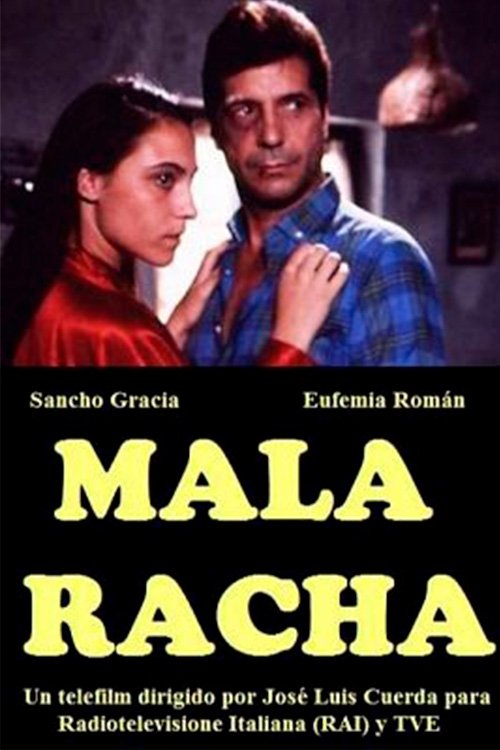
Mala Racha
1977
No user ratings available yet
Representation score: 2.0 out of 10
Representation Score
Limited
1971
Director
Agustín P. Delgado
Average Rating
No ratings yetNew Showbiz Analysis
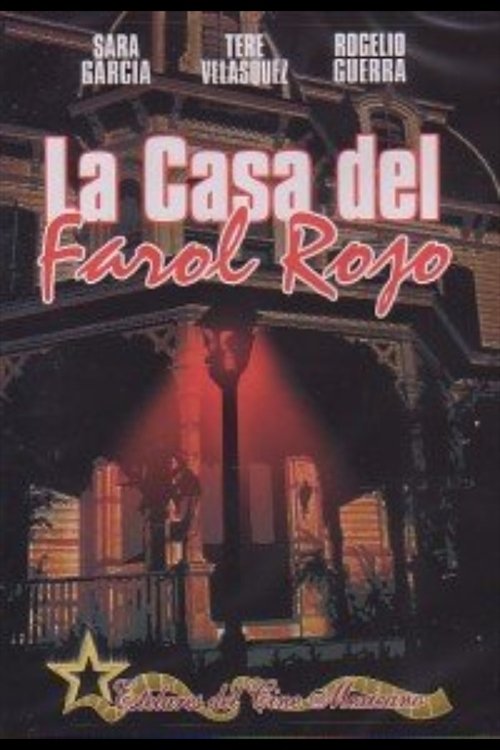
La Casa del Farol Rojo reflects the social hierarchies of 1971 Mexican cinema. While it offers important regional representation through its local cast and crew, the narrative does not intentionally challenge systemic power dynamics. The film centers on female presence through its lead actresses, yet these roles likely reinforce traditional gender norms rather than expanding them. The cultural framework remains rooted in established social institutions.
Category Breakdown
The film does not include any explicit LGBTQ+ characters or stories. It follows the traditional social structures typical of 1971 Mexican melodrama.
Actresses like Teresa Velázquez and Sara García play key roles. However, their ability to act likely remains tied to domestic or family-related duties within the era's dramatic conventions.
As a Mexican production, the film features a predominantly non-Anglo-Saxon cast. It focuses on cultural specificity rather than exploring multiple ethnicities.
The story adheres to traditional Mexican dramatic frameworks. It aligns with established social and familial institutions without challenging conventional values.
There is no documented evidence showing the portrayal of physical or neurodivergent disabilities in this production.
Present on Screen
Limited or Absent
1977
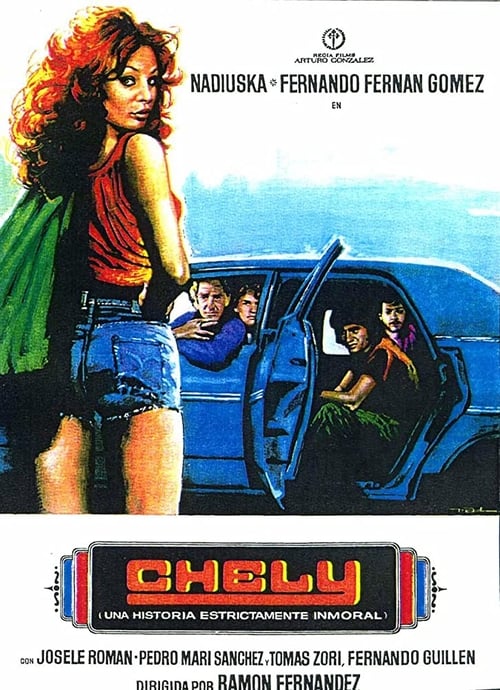
1977
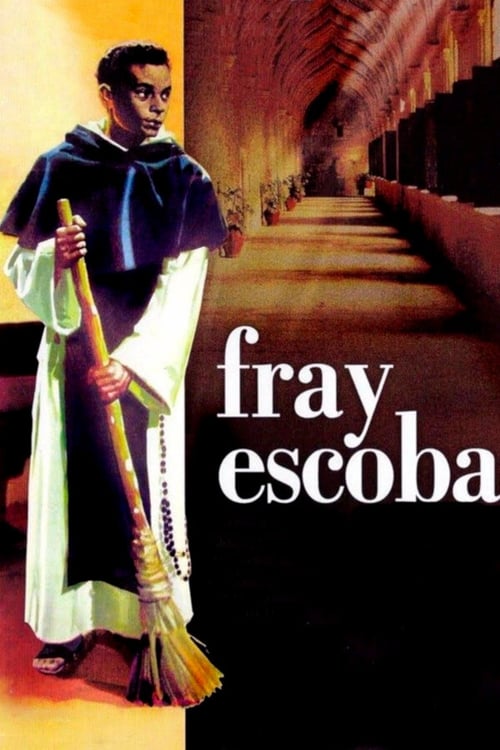
1961
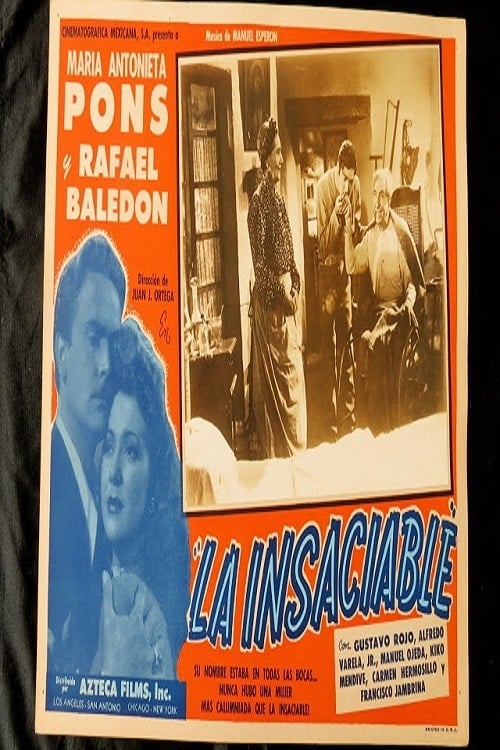
1947
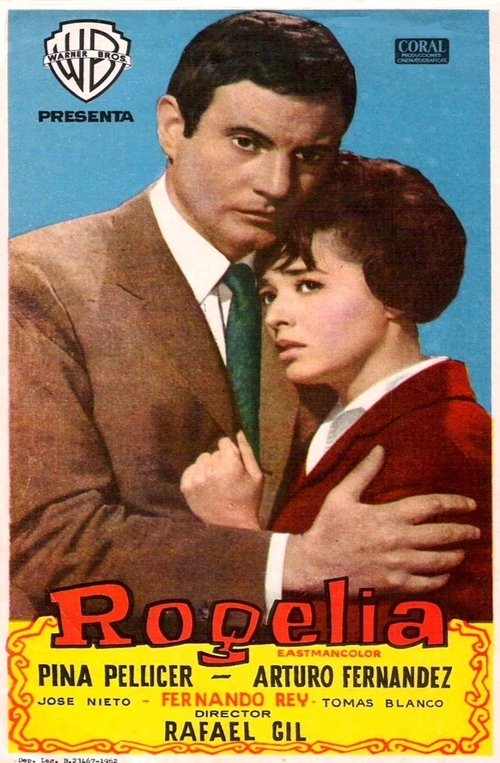
1962
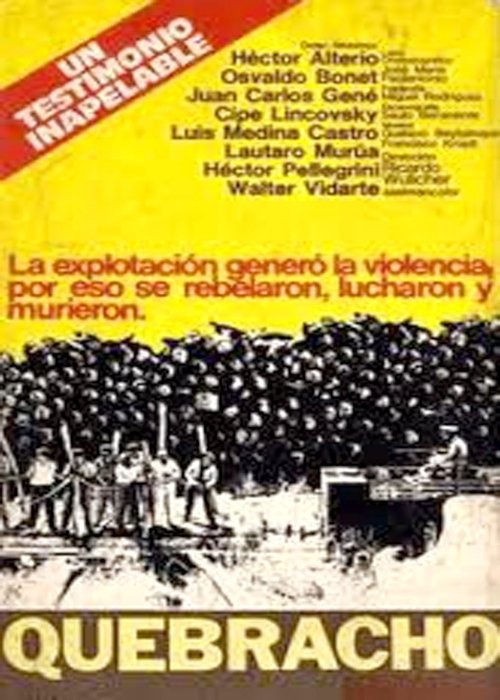
1974
1972
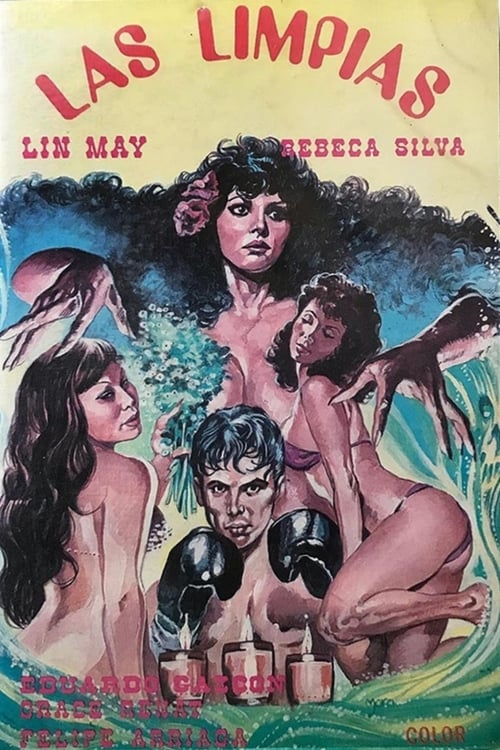
1987
No reviews yet. Be the first to share your thoughts on this movie!
Use the rating form above to leave a star rating and optional review.