The Audition
1933
No user ratings available yet
Representation score: 0.4 out of 10
Representation Score
Limited
1934
ApprovedDirector
Joseph Henabery
Runtime
11 minutes
Average Rating
No ratings yetNew Showbiz Analysis
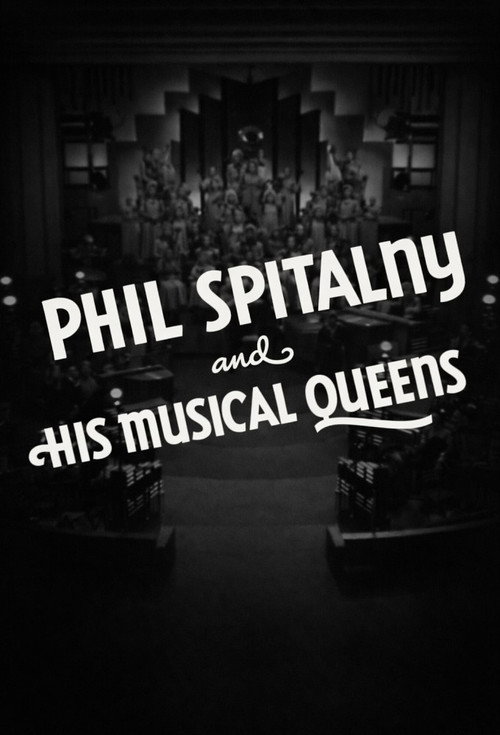
Phil Spitalny and His Musical Queens stands out for disrupting 1930s gender hierarchies. By centering an all-female orchestra, the film highlights women as multi-talented professionals capable of technical musical mastery, vocal performance, and dance. However, the film remains a product of its time, lacking racial diversity and focusing on traditional Western entertainment. The performance follows a standard variety-show format that reinforces existing social structures without critiquing them. Ultimately, while the film provides significant roles for its female performers, it fails to engage with LGBTQ+ identities or diverse ethnic representation, limiting its scope of inclusion.
Category Breakdown
The film doesn't show any same-sex intimacy or non-cisgender identities. Although the all-female ensemble challenges male-dominated orchestral norms, it doesn't address queer identity.
The film centers an all-female orchestra, shifting the focus to a female collective. These women showcase high technical mastery through complex instruments, singing, and specialized dance performances.
The film seems to follow the homogeneous casting standards of 1934. There is no indication of a non-white or non-Anglo-Saxon majority within the orchestra or audience.
This variety-style performance adheres to traditional Western musical entertainment. It reinforces social cohesion through a conventional cabaret format without challenging systemic power or institutions.
There is no visible evidence regarding the portrayal of physical or neurodivergent disabilities in this musical performance.
Present on Screen
Limited or Absent
Official Synopsis
Phil Spitalny and His All-Girl Orchestra, the females who are all clad in white gowns, perform a few musical numbers cabaret style in front of an appreciative audience. The multi-talented orchestra members not only play musical instruments, but also sing. In one number, one of their own is featured as a tap dancer. In another number, a dueling piano duet is featured.
1933
1933

1942
1942
1935
1937
1933
1943
No reviews yet. Be the first to share your thoughts on this movie!
Use the rating form above to leave a star rating and optional review.