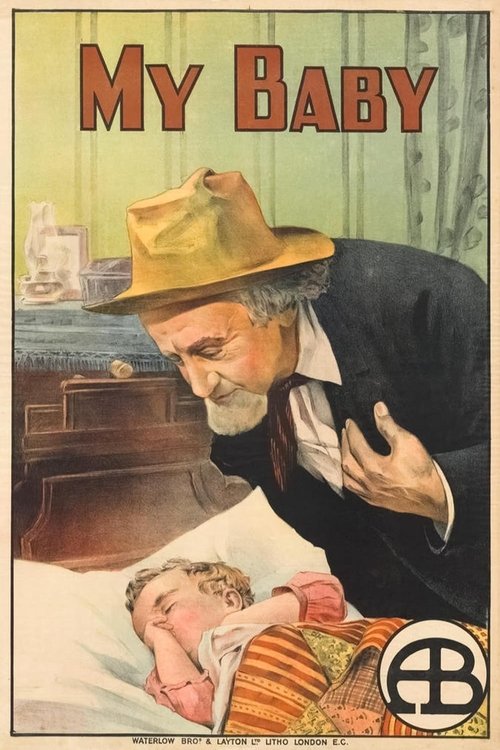
My Baby
1912
No user ratings available yet
Representation score: 0.2 out of 10
Representation Score
Limited
1911
Director
D.W. Griffith
Runtime
14 minutes
Average Rating
No ratings yetNew Showbiz Analysis
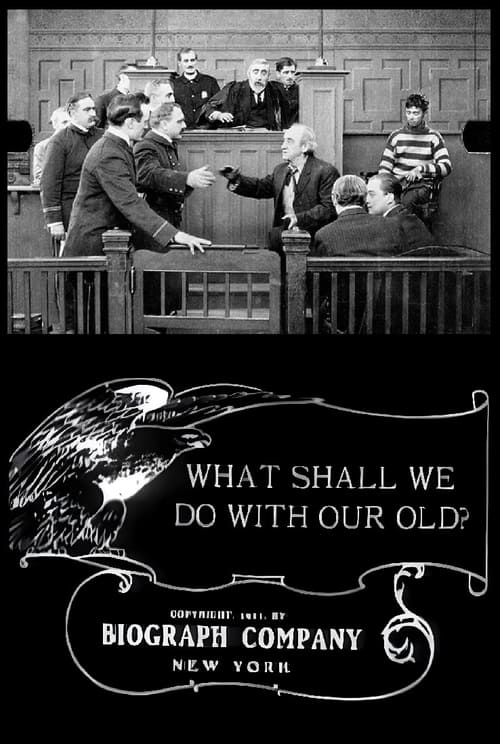
This early D.W. Griffith drama emphasizes class-based vulnerability and social realism over identity-based representation. The narrative centers on the tension between individual struggles and systemic economic structures, particularly through the lens of ageism and industrial displacement. Although the film lacks diverse representation, including LGBTQ+ identities and racial diversity, it offers a nuanced portrayal of the pressures of early 20th-century capitalism. The protagonist's struggle highlights the conflict between the individual and the industrial machine. Ultimately, the film operates as a period-specific social melodrama. It challenges the idea of meritocratic stability by depicting the elderly worker as a victim of systemic indifference.
Category Breakdown
The film does not include any depictions of LGBTQ+ identities or queer subtext. It stays within traditional domestic and family structures.
Characters adhere to traditional social roles and gendered domesticity. The film examines emotional labor and interpersonal conflicts within a conventional family setting.
The cast is uniform, reflecting the production standards of 1911. There is no indication of multicultural casting or narratives featuring non-Anglo-Saxon characters.
The story critiques early industrial capitalism. It portrays the protagonist's desperation as a result of systemic ageism and economic instability.
Illness serves as a plot catalyst rather than an exploration of lived experience. The wife's condition drives the protagonist's socioeconomic crisis.
Present on Screen
Limited or Absent
Official Synopsis
An elderly carpenter is told by a doctor that his wife is seriously ill. Soon afterwards, an insensitive shop foreman lays him off from his job because of his age. Unable to find work, and with his wife's condition getting worse, he soon becomes desperate.
1912
1924
1909
1952

1909
1920

1931
1939
No reviews yet. Be the first to share your thoughts on this movie!
Use the rating form above to leave a star rating and optional review.