
Sweet Dreams
1985
No user ratings available yet
Representation score: 3.1 out of 10
Representation Score
Good
1979
RDirector
Mark Rydell
Runtime
125 minutes
Average Rating
No ratings yetNew Showbiz Analysis
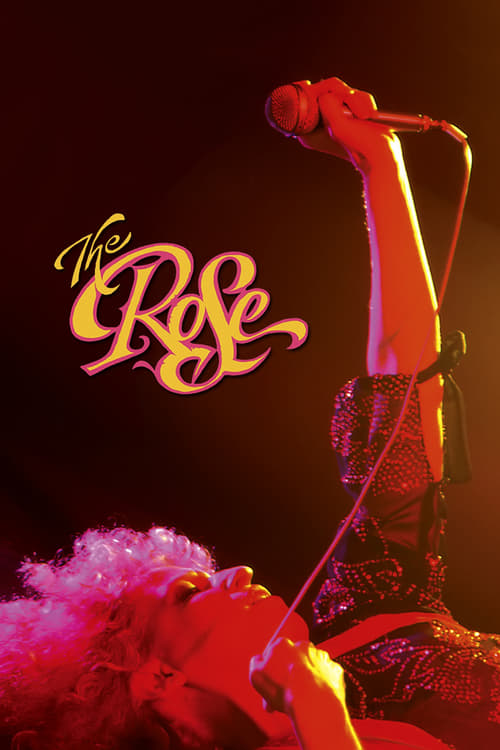
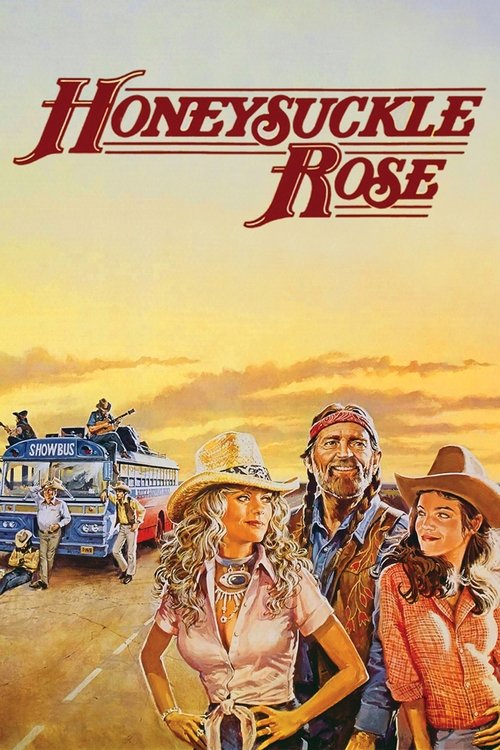
The film successfully challenges traditional gender roles by focusing on a complex female protagonist. Mary Rose Foster is a central figure despite her personal struggles. However, the film lacks diversity in both race and LGBTQ+ representation. The casting reflects a homogeneous demographic typical of the era's music industry. While it leans on the 'tortured artist' cliché, the film provides a sophisticated critique of how commercial institutions can erode the human spirit.
Category Breakdown
The film doesn't focus on LGBTQ+ identities or themes. It stays within a traditional romantic framework.
Mary Rose Foster stands out as a strong female character in a male-dominated industry. She drives the story with her professional and psychological depth.
The cast is predominantly white, reflecting the 1970s music scene. Characters of color are notably absent from key roles.
The film critiques the commercial exploitation of artists. It highlights how capitalist systems can harm individuals.
The film addresses mental health and substance abuse issues with nuance. It emphasizes the systemic impact of addiction without trivializing the condition.
Present on Screen
Limited or Absent
Official Synopsis
Rock-and-roll singer Mary Rose Foster's romantic relationships and mental health are continuously imperilled by the demands of life on the road.
1985

1954
1957

1979
2004
1984
1980

1988
No reviews yet. Be the first to share your thoughts on this movie!
Use the rating form above to leave a star rating and optional review.