
Curse of the Devil
1973
No user ratings available yet
Representation score: 0.5 out of 10
Representation Score
Limited
1979
PGDirector
Worth Keeter
Runtime
102 minutes
Average Rating
No ratings yetNew Showbiz Analysis
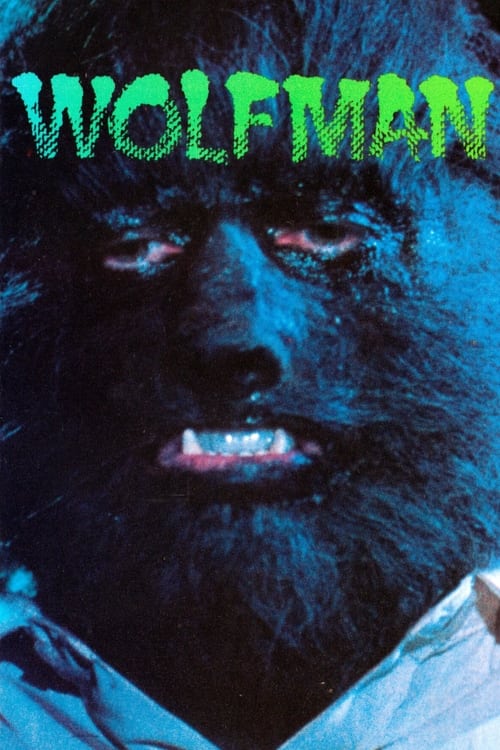
Wolfman (1979) is a product of its era, adhering strictly to the established horror conventions of the late 1970s. The film prioritizes traditional genre clichés, such as the hereditary curse, over any meaningful exploration of diverse identities or social subversion. The narrative structure reinforces conventional social frameworks, focusing on patriarchal lineage and domesticity. This approach results in a lack of representation for LGBTQ+ individuals, diverse racial groups, or characters with disabilities. Ultimately, the film functions as a standard genre piece. It relies on the struggle between the human and the monstrous without attempting to disrupt existing social hierarchies or provide progressive systemic critiques.
Category Breakdown
The film does not include characters with diverse gender identities or stories that challenge the assumption that everyone is straight or cisgender. It centers on a traditional family structure with a hereditary curse.
The story focuses on a patriarchal lineage and male-driven transformations. There is little evidence of women playing a significant role in driving the story or challenging traditional gender roles.
The story suggests a homogeneous social setting typical of 1970s horror. There is no indication of a non-white majority cast or diverse ethnic representation.
The film uses classic supernatural clichés centered on fate and moral consequences. It lacks themes that critique Western or secularist frameworks.
The werewolf transformation serves as a supernatural plot device rather than a nuanced exploration of disability. Characters have little control over what happens to them outside of the central horror mechanic.
Present on Screen
Limited or Absent
Official Synopsis
A man finds out that his family has a werewolf curse put upon them.
1973
1961
1972
1941
1972
1960
1987
1984
No reviews yet. Be the first to share your thoughts on this movie!
Use the rating form above to leave a star rating and optional review.