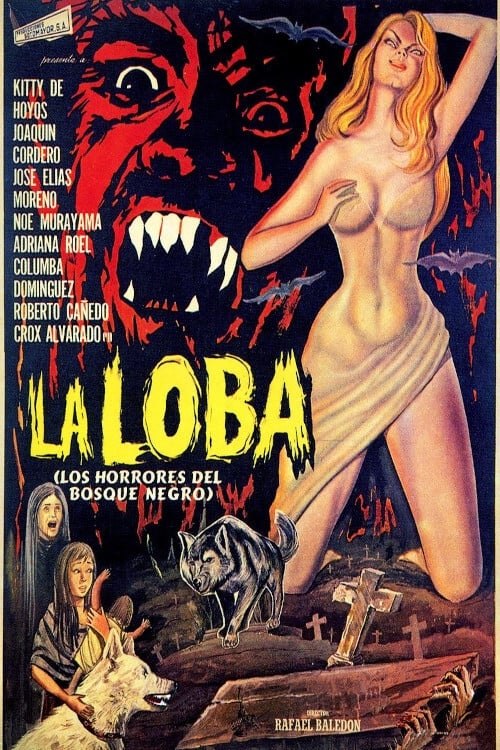
The She-Wolf
1965
No user ratings available yet
Representation score: 4.8 out of 10
Representation Score
Limited
1972
PGDirector
Andy Milligan
Runtime
92 minutes
Average Rating
No ratings yetNew Showbiz Analysis
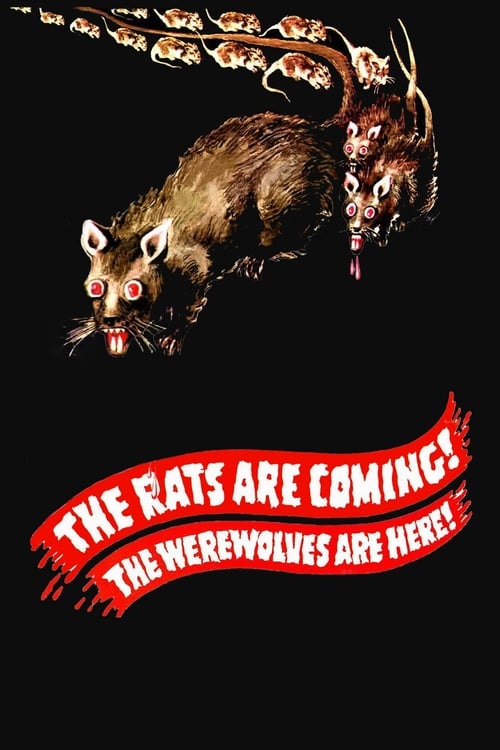
This exploitation horror film sticks closely to the traditional frameworks of 1970s genre cinema. The narrative prioritizes survival clichés over any attempt to challenge social expectations or offer diverse representation. The production lacks diversity across all measured categories, resulting in a homogeneous cast and conventional character dynamics. It functions primarily as a niche genre piece rather than a vehicle for progressive storytelling. Ultimately, the film's focus remains on its supernatural premise, leaving little room for meaningful representation of underrepresented identities or cultural critiques.
Category Breakdown
The film does not include any non-binary gender identities or same-sex relationships. It follows traditional 1970s social structures without any LGBTQ+ presence.
A female character tries to break a family curse, but the film relies on traditional gender roles and clichés such as the damsel in distress.
The cast is mostly made up of actors from similar backgrounds, reflecting the era's casting practices and limited scope. There is no evidence of diverse racial representation.
The story focuses on immediate physical dangers like rats and werewolves. It does not engage with critiques of Western institutions, religion, or patriotism.
There are no prominent depictions of physical or neurodivergent disabilities. Characters struggle with external supernatural threats rather than internal or systemic challenges.
Present on Screen
Limited or Absent
Official Synopsis
In early 20th-century England, the Mooneys are an eccentric clan live in a large rural home. Invalid patriarch Pa is a retired medical doctor claiming to be 199 years old. Phoebe, the eldest daughter, runs the household. Eldest son Mortimer is a businessman who conducts the finances and contributes to the income. Younger daughter Monica is a sadist who keeps live rats as pets, frequently mutilating them and other small animals. Youngest son Malcolm is a half-wit with animalistic tendencies to the point where he's kept locked in a room with live chickens. But the whole family have a dark, furry secret.
1965
1972
1972

1966
2012
1961
1969
2005
No reviews yet. Be the first to share your thoughts on this movie!
Use the rating form above to leave a star rating and optional review.