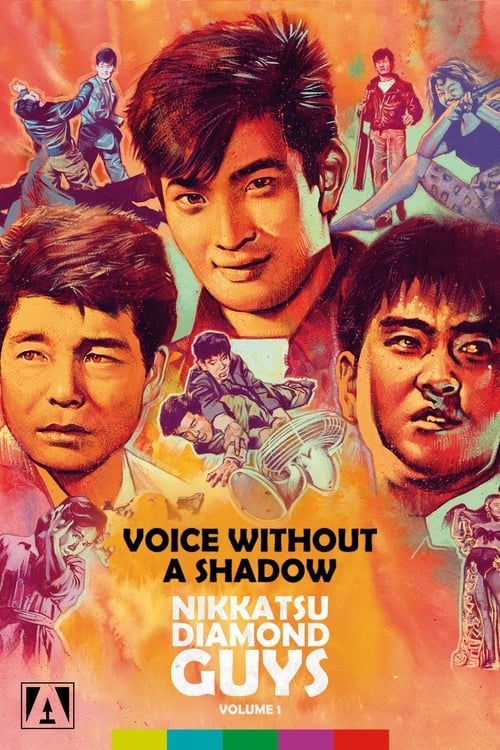
Voice Without a Shadow
1958
No user ratings available yet
Representation score: 3.8 out of 10

Representation Score
Fair
1982
Director
Yoshitarō Nomura
Runtime
127 minutes
Average Rating
No ratings yetNew Showbiz Analysis
Suspicion is a culturally specific crime drama that finds its strength in subverting traditional domestic clichés. By centering the mystery on a woman's precarious social standing, it moves beyond simple melodrama to interrogate systemic social judgment. The film lacks demographic diversity, remaining rooted in a homogenous Japanese setting. While it does not feature LGBTQ+ representation or explicit disability ability to act, it offers a sophisticated look at how gender and public morality intersect. Ultimately, the work succeeds as a psychological study of individual empowerment versus the collective social consciousness, providing a nuanced critique of institutional justice and patriarchal expectations.
Category Breakdown
The film focuses solely on heterosexual marriage structures. There is no presence of LGBTQ+ identities or non-cisgender subtext within the plot.
The narrative explores gendered power dynamics through Kumako's struggle against patriarchal judgment. The intellectual clash between Kumako and her attorney highlights female empowerment.
The production features a homogenous Japanese cast appropriate to its Toyama setting. It maintains cultural authenticity without incorporating diverse racial backgrounds.
The story critiques the oppressive nature of the public court of opinion. It examines moral relativism and the fractures within specific Japanese social hierarchies.
Psychological distress serves as a primary narrative driver for the mystery. However, mental states are used as plot devices rather than providing real ability to act to characters with disabilities.
Present on Screen
Limited or Absent
Official Synopsis
A car going at 25 mph plunges into the sea at Shinko Harbour, Toyama prefecture. Inside is the local business magnate Fukutaro Shirakawa, who perishes. Riding alongside him and surviving unhurt is his second wife, Kumako. It soon comes to light that Kumako’s husband was insured for 300 million yen and she is arrested on suspicion of murdering her husband for the insurance money. The newspapers denounce her as an evil woman, while the public is in no doubt about Kumako’s crime. Ritsuko Sahara is chosen as her defence attorney but the pair clash over almost everything...
1958
2008
2009
2017
1952
1957
2008
1983
No reviews yet. Be the first to share your thoughts on this movie!
Use the rating form above to leave a star rating and optional review.