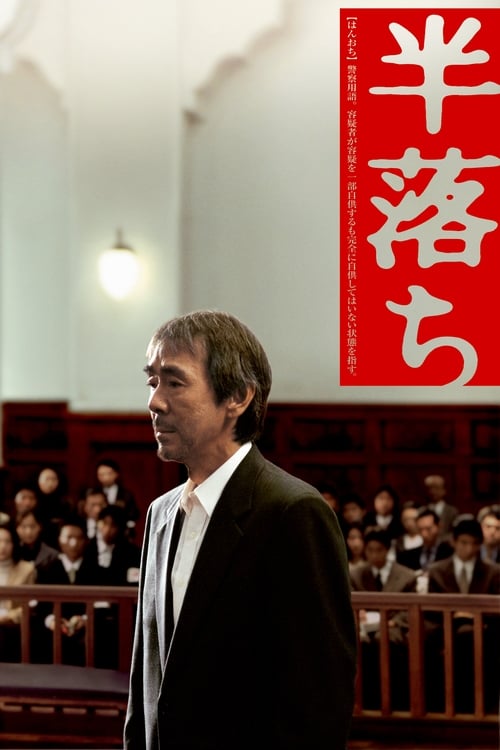
Half a Confession
2004
No user ratings available yet
Representation score: 4.3 out of 10

Representation Score
Limited
2017
RDirector
Hirokazu Kore-eda
Runtime
125 minutes
Average Rating
No ratings yetNew Showbiz Analysis
Hirokazu Kore-eda presents a character-driven drama that prioritizes intellectual complexity over broad demographic representation. The film excels by questioning institutional authority and challenging the notion of absolute truth within the legal system. Although the narrative lacks LGBTQ+ and racial diversity, it avoids simplistic gender clichés. The story uses its setting to explore the tensions between professional classes and social outsiders. Ultimately, the film's strength lies in its progressive storytelling approach, which replaces traditional good-versus-evil dichotomies with a nuanced, relativistic framework that critiques the fallibility of justice.
Category Breakdown
The film does not include any LGBTQ+ characters. It focuses on the legal and psychological aspects of the central crime.
While male characters drive the plot, women play important roles. The female victim serves as a key plot catalyst, and the defendant's wife provides significant emotional depth.
The cast reflects the demographics of contemporary Japan. However, it lacks diverse racial representation, focusing instead on socioeconomic differences.
The film offers a sophisticated look at the judicial system. It portrays truth as a subjective human construct rather than an absolute moral constant.
There are no prominent depictions of visible or invisible disabilities used as central character traits or plot devices.
Present on Screen
Limited or Absent
Official Synopsis
A lawyer tasked with defending a robbery-and-murder suspect begins developing doubts about what truly happened.
2004

2008

2025

2020

2023

2009
2009

1993
No reviews yet. Be the first to share your thoughts on this movie!
Use the rating form above to leave a star rating and optional review.