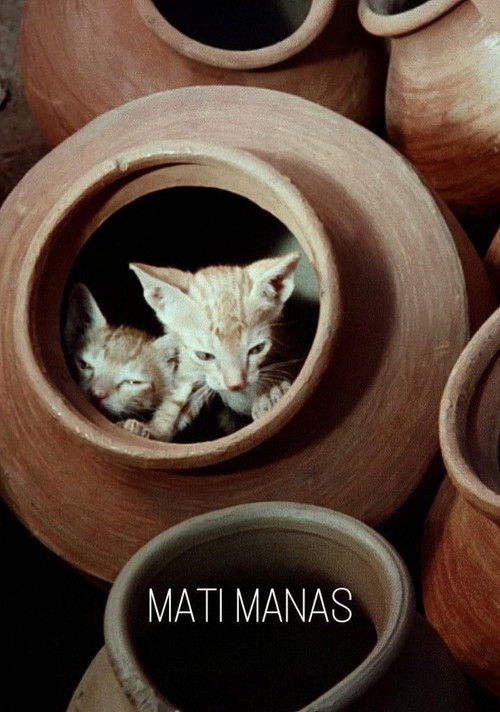
Mati Manas
1985
No user ratings available yet
Representation score: 5.6 out of 10
Representation Score
Fair
1968
Director
Mani Kaul
Runtime
11 minutes
Average Rating
No ratings yetNew Showbiz Analysis
Mani Kaul’s documentary serves as a significant aesthetic critique of Western industrial hegemony. By centering Indian decorative traditions, the film challenges the standardized, functional forms of the industrial age through a non-Western lens. While the film excels in cultural and ethnic representation by elevating indigenous craftsmanship, it remains neutral regarding interpersonal identities. The focus on material culture means that gender and LGBTQ+ narratives are largely absent from the frame. Ultimately, the film's strength lies in its decolonial approach to aesthetics, though it lacks the character-driven depth required to address disability or specific gendered experiences.
Category Breakdown
The film focuses on the tension between industrial functionality and traditional Indian decorative arts. There is no explicit evidence of LGBTQ+ characters or narratives regarding gender identity.
The documentary maintains an analytical focus on objects and processes. There is insufficient evidence to confirm women's ability to drive the story or the subversion of masculine leadership through character arcs.
The narrative structure centers on Indian tradition and its interaction with industrial modernity. This elevates indigenous craftsmanship and disrupts the Western-centric gaze common in mid-century filmmaking.
The work explores cultural resistance by positioning traditional Indian design against industrial standardization. It prioritizes local knowledge systems over the homogenizing influence of globalized industrialism.
The subject matter regarding industrial versus traditional design does not provide enough context to evaluate the representation of physical or neurodivergent identities.
Present on Screen
Limited or Absent
Official Synopsis
A short film that sets up an opposition between functional forms of industrial age and decorative ones from Indian tradition.
1985

1929
1989

2003
1990
1979
1968
1983
No reviews yet. Be the first to share your thoughts on this movie!
Use the rating form above to leave a star rating and optional review.