
Forms and Designs
1968
No user ratings available yet
Representation score: 5.7 out of 10
Representation Score
Good
1989
Director
Mani Kaul
Runtime
26 minutes
Average Rating
No ratings yetNew Showbiz Analysis
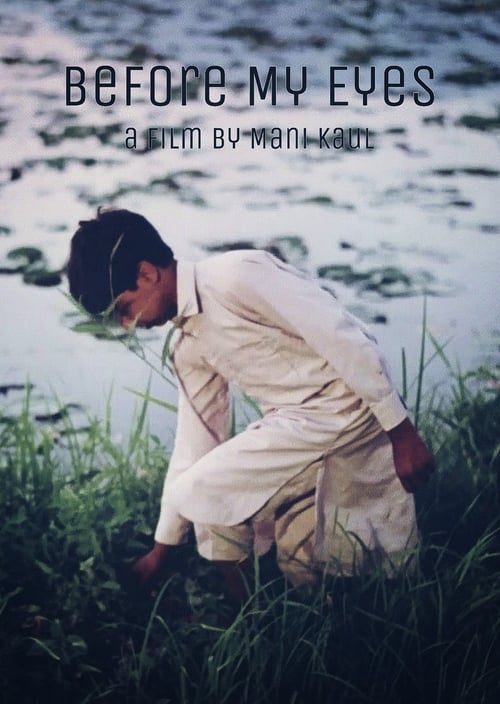
Mani Kaul’s 'Before My Eyes' serves as a formalist disruption of mainstream Indian cinema. By discarding commercial clichés and linear causality, the film creates a space for decolonized, subjective storytelling that resists standardized representations of reality. The film's strength lies in its narrative structure. It moves away from the loud, performative archetypes of Bollywood, instead focusing on the meditative 'filmscape' of the Kashmir valley. This approach allows for a deeper exploration of regional identity and psychological complexity. While the film excels at highlighting specific cultural landscapes, it lacks explicit representation of LGBTQ+ identities and disabilities.
Category Breakdown
The film avoids the typical heterosexual and cisgender stereotypes common in Bollywood melodramas. However, it does not include explicit depictions of non-binary or queer identities.
Mani Kaul challenges traditional gender roles by emphasizing internal psychological states rather than external performances. This approach undermines the usual dominance of masculinity and the typical hero/heroine dynamic.
The film highlights the unique regional and ethnic identity of the Kashmir valley. It gives significant importance to the local geography and cultural heritage.
The film rejects Western storytelling conventions in favor of personal, local experiences. It focuses on the sensory and cultural specifics of the Kashmir valley.
There is no documented evidence regarding the portrayal of physical or neurodivergent disabilities in this work.
Present on Screen
Limited or Absent
Official Synopsis
A 'filmscape' on the Kashmir valley.
1968
1983
1989
2008
1985
1990

1994
1986
No reviews yet. Be the first to share your thoughts on this movie!
Use the rating form above to leave a star rating and optional review.