
Forms and Designs
1968
No user ratings available yet
Representation score: 5.7 out of 10
Representation Score
Fair
1985
Director
Mani Kaul
Runtime
91 minutes
Average Rating
No ratings yetNew Showbiz Analysis
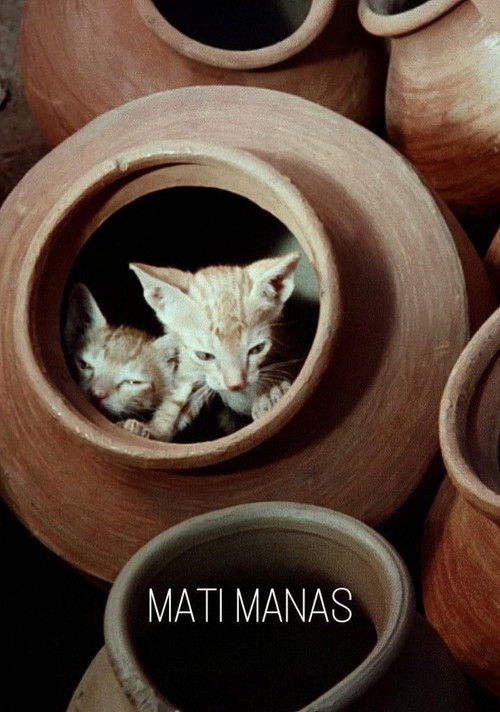
Mani Kaul’s *Mati Manas* is a formalist triumph that prioritizes post-colonial aesthetics over conventional identity politics. By centering rural Indian folk traditions and indigenous knowledge, it effectively rejects Westernized cinematic norms and urban-centric perspectives. While the film lacks contemporary social representation regarding LGBTQ+ identities or disability, it achieves a sophisticated disruption of cinematic hierarchies. It replaces standard character arcs with rhythmic, mythic textures that honor local cultural autonomy. Ultimately, the film's strength lies in its refusal to adhere to linear, capitalist progress narratives, opting instead for a deep engagement with the 'Man of the Earth' legend.
Category Breakdown
The film does not include any characters with LGBTQ+ identities or queer narratives. Its focus on mythic archetypes and elemental textures over character-driven dialogue prevents it from exploring contemporary social identities.
By avoiding typical hero and heroine clichés, the film disrupts traditional gender hierarchies. However, it lacks specific characters who play a significant role in challenging gender roles.
The film centers on indigenous and rural Indian identity, elevating localized knowledge systems and ethnic authenticity over homogenized, urban-centric perspectives.
The film prioritizes local folk-religious textures and cyclical myths. It rejects Western linear storytelling in favor of a post-colonial, rhythmic relationship between humanity and the earth.
There are no characters with visible or invisible disabilities. The focus remains strictly on elemental movement and the pottery process.
Present on Screen
Limited or Absent
Official Synopsis
In a poetic hour and a half, director Mani Kaul looks at the ancient art of making pottery from a wide variety of perspectives.
1968

2012

1988

2016

1970

2018
1989
1983
No reviews yet. Be the first to share your thoughts on this movie!
Use the rating form above to leave a star rating and optional review.