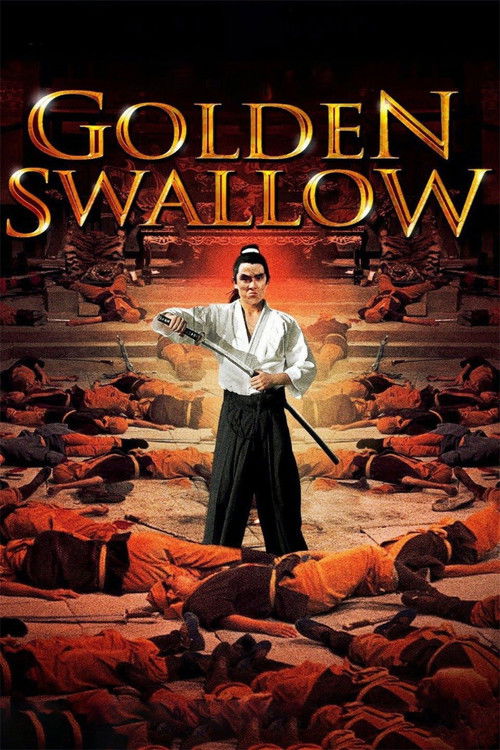
Golden Swallow
1968
No user ratings available yet
Diversity score: 5.1 out of 10
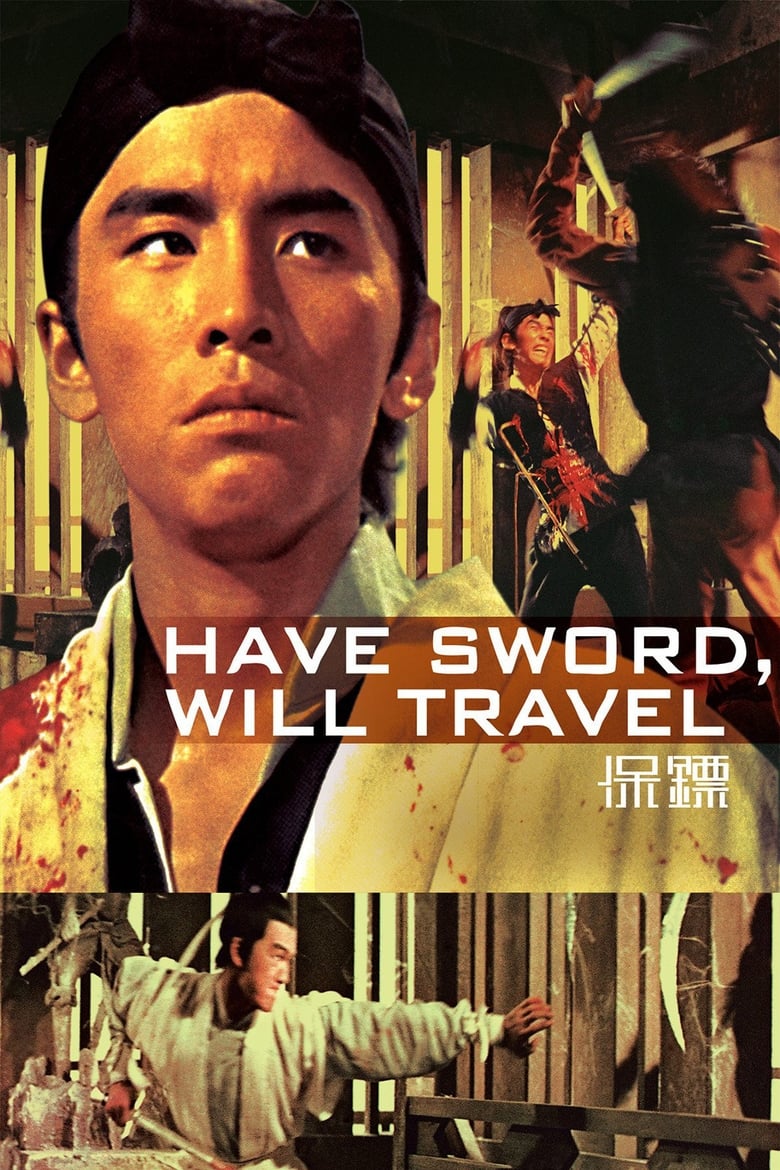
1969
Director
Chang Cheh
Runtime
101 minutes
Average Rating
No ratings yetSynopsis
Ying Ke-Feng, head of Peerless Manor, is an expert swordsman whose escort business transports 200,000 taels of silver to the capital each year. This year, however, he is afflicted with an infirmity that renders him unable to use his sword.
Overall Score
Limited
Category Breakdown
LGBTQ+ Representation
The film adheres strictly to period genre conventions. There is no evidence of non-cisnormative identities or same-sex intimacy, focusing instead on heteronormative tropes.
Gender Representation
Traditional gender hierarchies are reinforced throughout the narrative. Female characters primarily serve as figures requiring protection or as catalysts for the male protagonist's development.
Racial & Ethnic Diversity
The production features a culturally homogeneous Chinese cast. This provides an authentic representation of its specific historical context without Western-centric whitewashing.
Religious & Cultural Diversity
The story operates within a framework of traditional morality and social hierarchy. It reinforces established structures like masters and disciples rather than critiquing them.
Disability Representation
The protagonist's temporary physical infirmity drives the plot. However, this serves as a narrative obstacle to test character rather than a nuanced exploration of disability.
Strengths
Areas for Improvement
AI Analysis
Chang Cheh's film is a quintessential product of 1960s martial arts cinema, prioritizing traditional storytelling and classical moral frameworks. It operates within the conventional social parameters of the wuxia genre without attempting to disrupt systemic hierarchies. The film relies heavily on established gender roles and heteronormative romantic tropes. While the protagonist's physical infirmity provides a central plot driver, it functions more as a standard narrative hurdle than a deep exploration of disability. Culturally, the film is homogeneous and authentic to its period. It focuses on honor and duty within a rigid social structure, offering a traditional experience rather than a modern, intersectional one.
1968
1995
1969
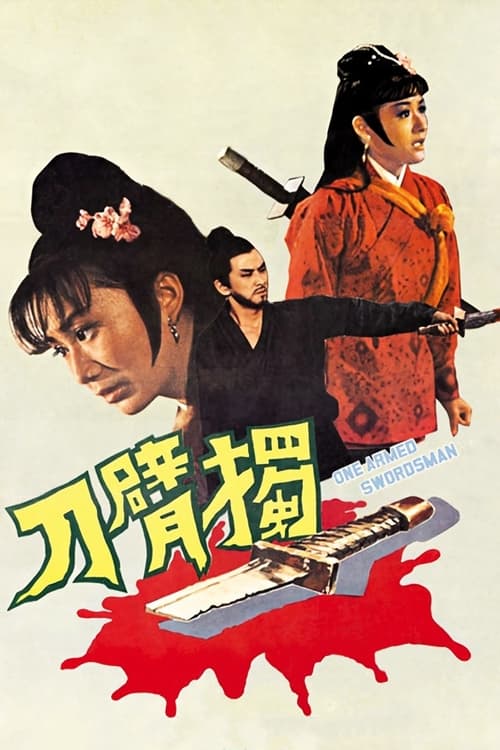
1967
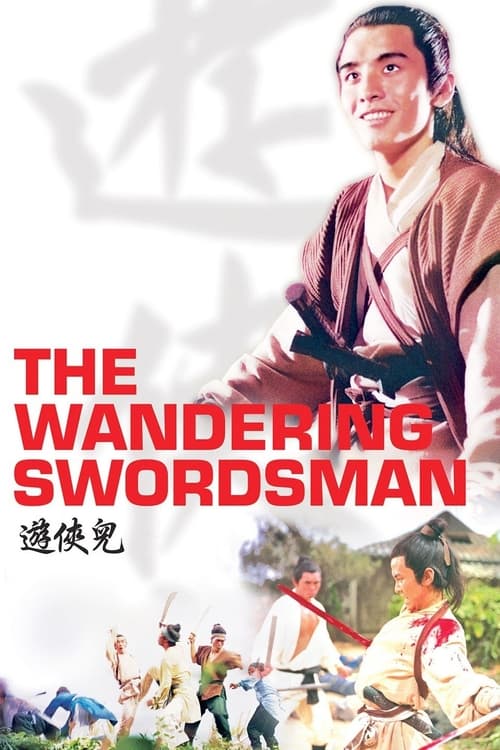
1970
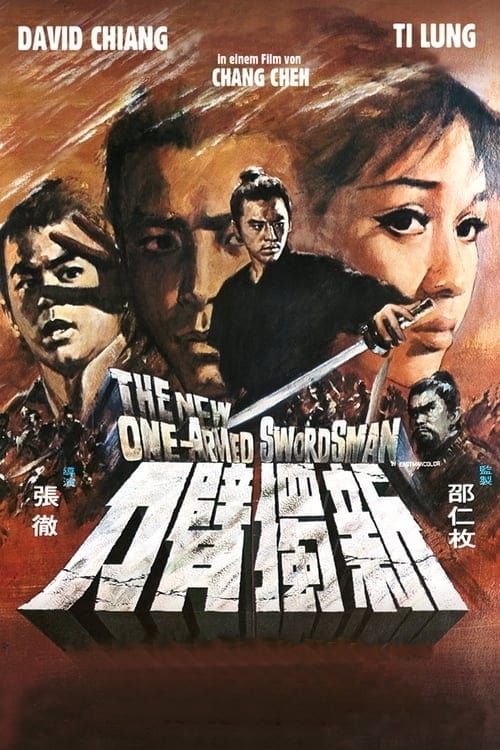
1971
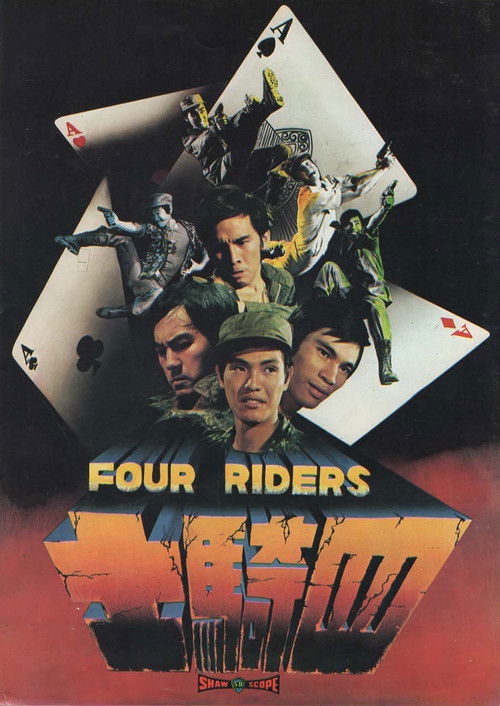
1972
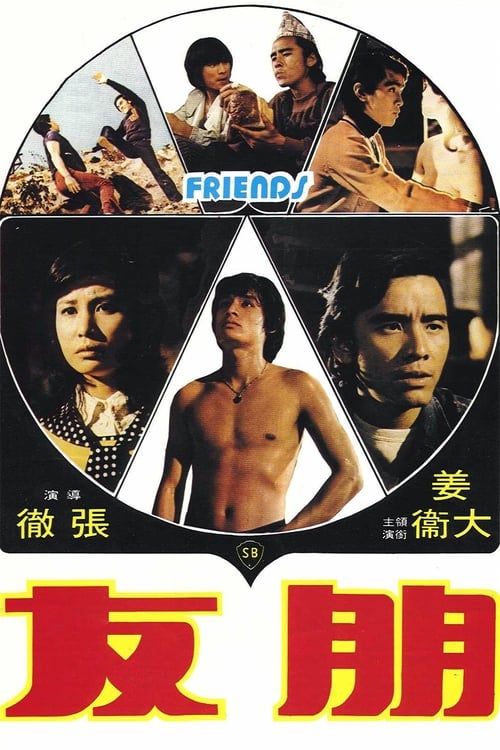
1974
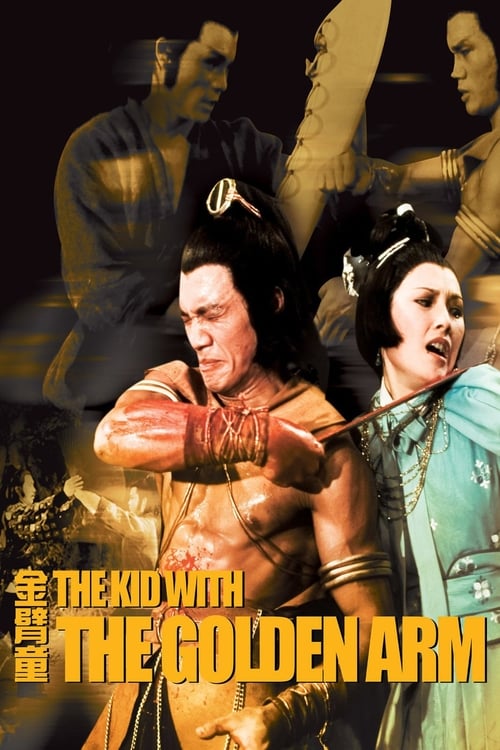
1979
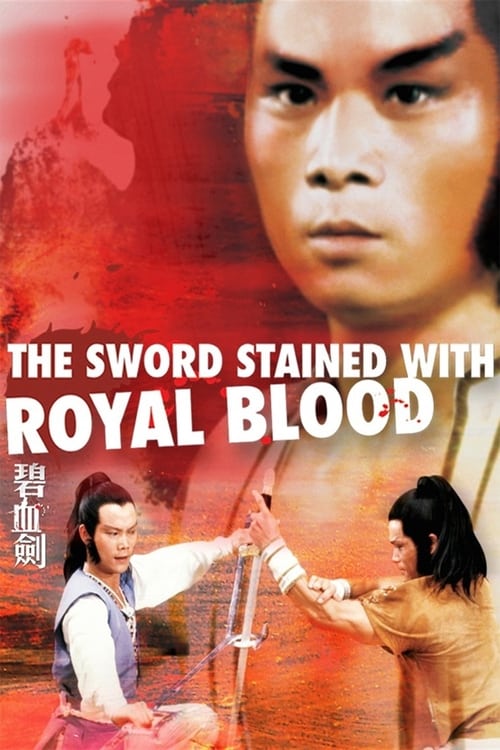
1981

1971
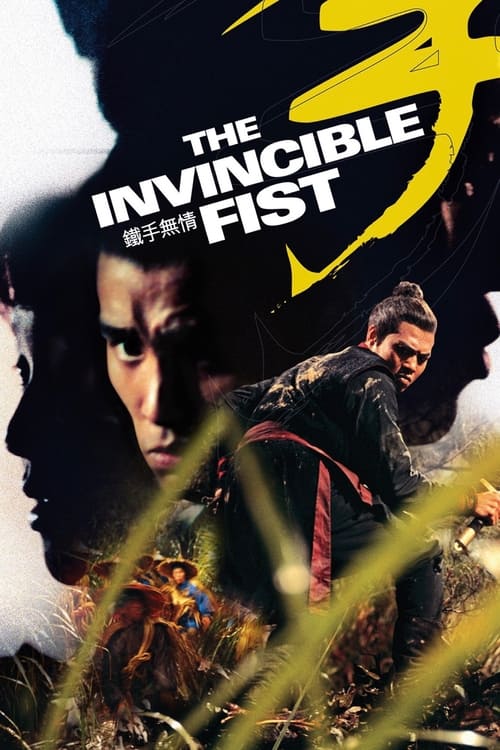
1969
No reviews yet. Be the first to share your thoughts on this movie!
Use the rating form above to leave a star rating and optional review.