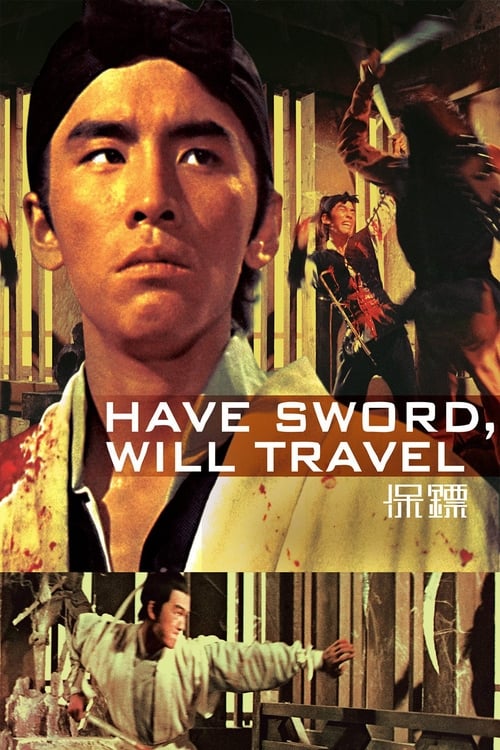
Have Sword, Will Travel
1969
No user ratings available yet
Diversity score: 3.3 out of 10
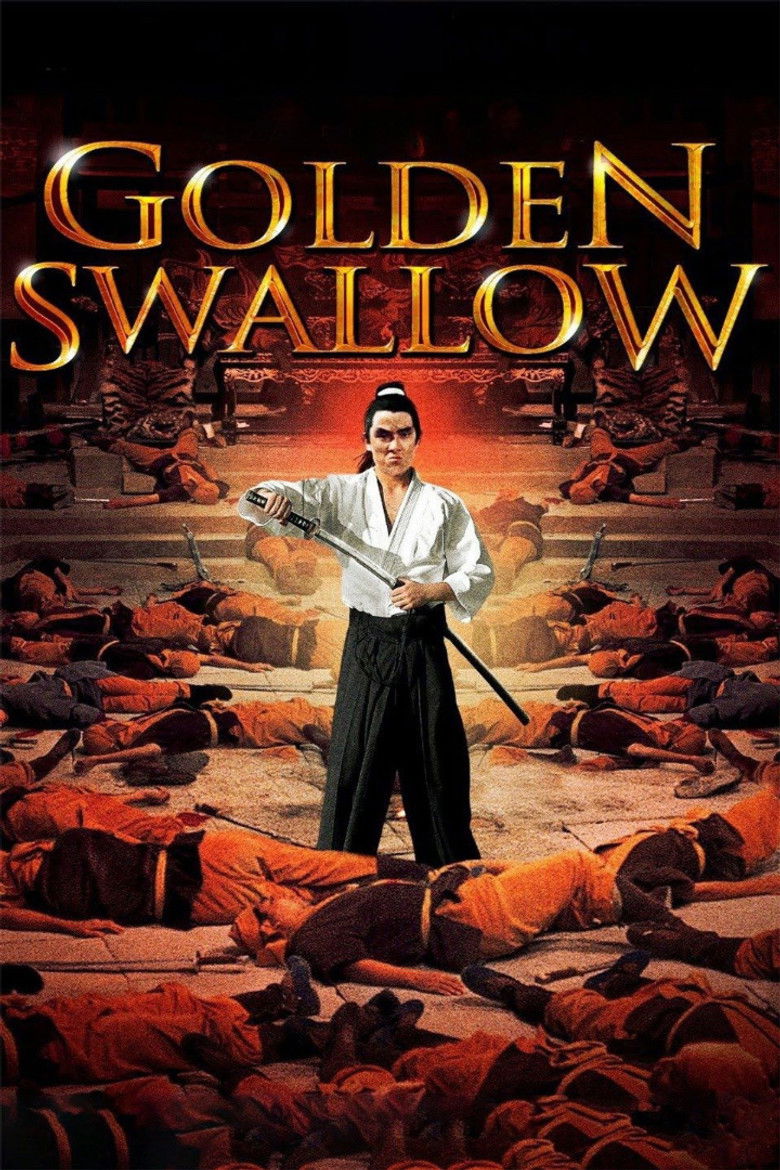
1968
RDirector
Chang Cheh
Runtime
104 minutes
Average Rating
No ratings yetSynopsis
Golden Swallow revolves around the further adventures of its title character. This time around, she is forced into violence when a figure from her mysterious past goes on a killing rampage while leaving evidence that holds her responsible. Golden Swallow also makes room for a love triangle involving a mad, but righteous, swordsman named Silver Roc and a gentle warrior named Golden Whip. The three team up to conquer the evil forces of the martial world, but their joint venture only lasts so long, due to the two men's egos. Ultimately, a duel to the death is planned between them, leaving Golden Swallow caught between two men, both of whom she admires.
Overall Score
Fair
Category Breakdown
LGBTQ+ Representation
The story centers on a traditional romantic triangle between the protagonist and two men. No explicit depictions of queer identities or non-cisnormative intimacy are present.
Gender Representation
Cheng Pei-pei leads as a highly skilled martial artist, subverting the male-dominated wuxia hierarchy. The protagonist drives the plot through her own agency and quest for justice.
Racial & Ethnic Diversity
The film features a culturally homogeneous Chinese cast typical of Shaw Brothers productions. It focuses on a specific regional martial arts tradition rather than racial plurality.
Religious & Cultural Diversity
Morality is framed through subjective codes of honor and personal vengeance. The narrative prioritizes individualistic martial ethics over formal institutional justice.
Disability Representation
There are no prominent depictions of physical or neurodivergent disabilities. The focus remains on the combat capabilities of the central characters.
Strengths
Areas for Improvement
AI Analysis
Golden Swallow stands out for its subversion of gendered power dynamics within the martial arts genre. By centering a female protagonist with supreme agency, it challenges the patriarchal norms of 1960s wuxia cinema. However, the film remains culturally and racially homogeneous, reflecting the era's production standards. The narrative structure is also strictly heteronormative, focusing on a traditional romantic triangle. Ultimately, the film is a significant text for its era, balancing traditional cultural storytelling with a progressive approach to female combatant roles.
No reviews yet. Be the first to share your thoughts on this movie!
Use the rating form above to leave a star rating and optional review.