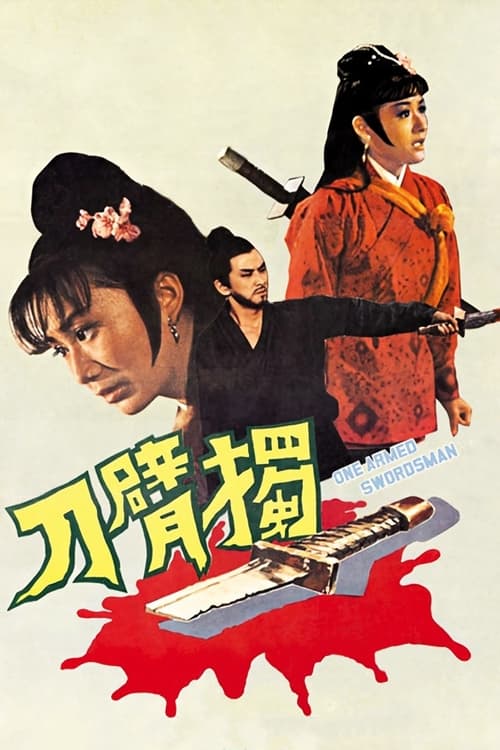
The One-Armed Swordsman
1967
No user ratings available yet
Representation score: 3.7 out of 10
Representation Score
Fair
1970
Director
Chang Cheh
Runtime
108 minutes
Average Rating
No ratings yetNew Showbiz Analysis
This film exemplifies mid-century genre filmmaking that prioritizes traditional masculine heroism. While it offers a compelling exploration of justice through vigilantism, the narrative structure remains centered on conventional gender roles and a homogeneous cultural perspective. Its strengths include its cultural authenticity and its ability to represent a specific historical and genre context without external distortion. However, the film lacks the complexity found in contemporary media, relying heavily on established social hierarchies. Ultimately, the work stands as a stylistic pillar of the Shaw Brothers era, though it remains limited by the rigid archetypes and gender hierarchies of its time.
Category Breakdown
The film follows traditional romantic pairings typical of the wuxia genre and does not depict same-sex relationships or non-cisgender identities.
Male characters primarily drive the plot and emphasize male bonding and martial prowess. Female characters, like Lily Li, mainly serve as emotional anchors rather than primary plot drivers.
The cast is culturally homogeneous, reflecting the Shaw Brothers studio's Cantonese and Mandarin roots. It avoids Western-style whitewashing by staying true to its own cultural context.
The story explores righteous vigilantism through a lens of individual honor and traditional morality. It emphasizes a 'good versus evil' framework without delving into systemic critiques or moral relativism.
The film focuses on physical perfection and martial capability. Characters with visible or invisible disabilities are not given meaningful roles.
Present on Screen
Limited or Absent
Official Synopsis
In this thrilling martial arts twist on the tale of Robin Hood, a charismatic highwayman with formidable sword skills decides to help the poor by robbing from thieves and distributing the wealth. This plan doesn't sit well with the criminals, who band together to stop him. Fortunately, our hero has a powerful blade on his side, not to mention popular beauty Lily Li at his side. A high-spirited blend of action, romance, and comedy, this Shaw Brothers classic from fearless director Chang Cheh is a timeless example of pure high-voltage entertainment.
1967
1978
1966
1969
1967
1980
1979

1980
No reviews yet. Be the first to share your thoughts on this movie!
Use the rating form above to leave a star rating and optional review.