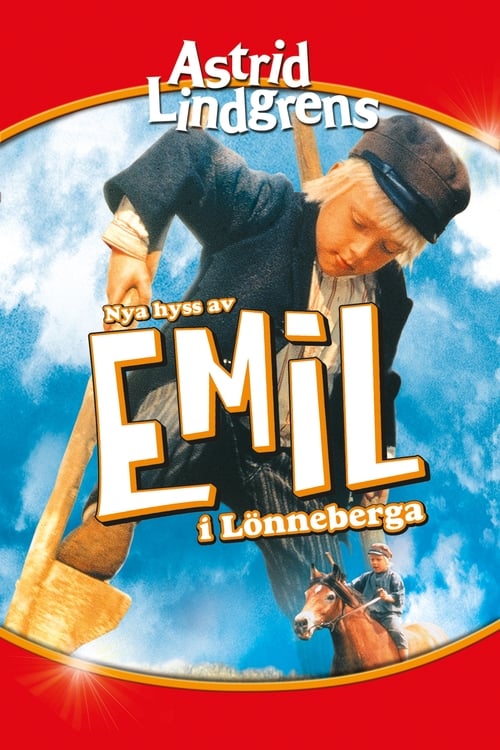
New Mischief by Emil
1972
No user ratings available yet
Representation score: 2.7 out of 10
Representation Score
Minimal
1971
Director
Olle Hellbom
Runtime
98 minutes
Average Rating
No ratings yetNew Showbiz Analysis
Emil i Lönneberga is a period piece that emphasizes historical and cultural authenticity over modern diversity. The film celebrates a specific, historical Swedish identity. The narrative structure is based on homogeneous social structures and traditional hierarchies. It maintains a stable, conventional moral framework reflective of the socioeconomic context of the early 20th-century Swedish countryside. While the film provides a charming depiction of childhood mischief, it does not attempt to challenge social norms or include diverse perspectives outside its specific geographic and temporal setting.
Category Breakdown
The film does not feature any LGBTQ+ characters or themes. The social environment is strictly focused on heterosexual relationships and traditional family units.
Gender roles follow a traditional hierarchy centered around fathers and mothers. Although Emil challenges the domestic order, the household structure remains grounded in conventional roles.
The cast is very homogeneous, reflecting the rural Swedish setting of the early 1900s. There are no characters representing diverse ethnic or racial backgrounds.
The story follows a traditional Western framework emphasizing family stability and local authority. It upholds conventional morality without engaging with diverse cultural or secular perspectives.
The narrative centers on neurotypical and able-bodied experiences. There are no characters with visible or invisible disabilities playing key roles in the story.
Present on Screen
Limited or Absent
Official Synopsis
Emil Svensson lives with his mother and father, little sister Ida, farmhand Alfred, and maid Lina on a picturesque farm in Småland. He is an unusually lively little boy, who just can't resist trying out every whim that enters into his white-haired head. Always with the best intentions in mind, because he is a good-hearted child, but often with catastrophic results, especially for his short-tempered father. As a result, Emil spends a lot of quality time in the wood shed carving wood figurines and waiting for Anton's temper to cool down. And the father's patience is certainly tried, as Emil gets his head stuck in the family's only soup bowl, hoists little Ida up the flag pole, and arranges a lavish Christmas party for the poor.
1972
1970

1985
1969
1973
1992

1957
1956
No reviews yet. Be the first to share your thoughts on this movie!
Use the rating form above to leave a star rating and optional review.