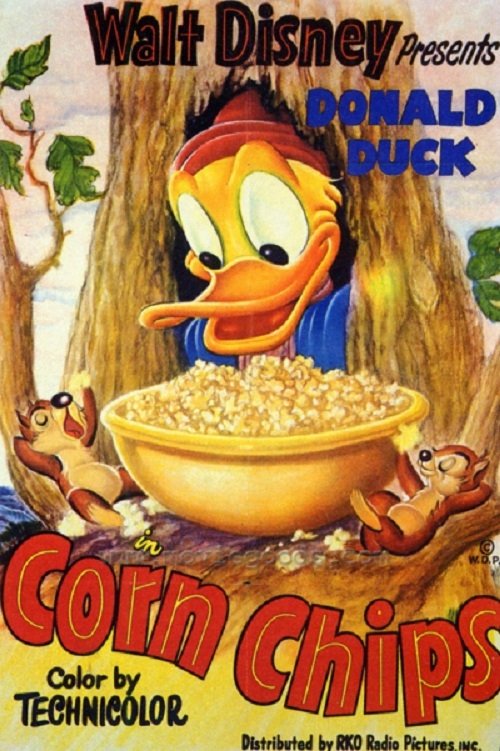
Corn Chips
1951
No user ratings available yet
Representation score: 0.1 out of 10

Representation Score
Minimal
1952
GDirector
Jack Hannah
Runtime
7 minutes
Average Rating
No ratings yetNew Showbiz Analysis
Pluto's Christmas Tree is a mid-century animated short that prioritizes slapstick humor and festive atmosphere over social complexity. The narrative relies on established character archetypes to deliver episodic humor, reflecting the social norms of its era. The film functions as a traditional seasonal vignette, reinforcing Western holiday traditions without deconstructing social hierarchies. Ultimately, the production focuses on broad, uncomplicated appeal, avoiding any social commentary and upholding conventional storytelling clichés and cultural norms of the early 1950s.
Category Breakdown
The film does not depict any non-straight relationships or queer subtext. Character interactions focus solely on companionship and traditional bonds.
Minnie Mouse appears in a supporting role, but the film does not challenge traditional gender roles. The focus remains on physical comedy rather than empowering female characters.
The film features a homogeneous cast of anthropomorphic animals. There is no representation of diverse racial or ethnic backgrounds.
The narrative emphasizes traditional Western Christmas themes and domestic life. It upholds 1950s cultural norms without addressing broader cultural critiques.
No characters are shown with visible or invisible disabilities. Physical mishaps are framed strictly as slapstick comedy without exploring impairments.
Present on Screen
Limited or Absent
Official Synopsis
Pluto comes bounding outside to help Mickey get a Christmas tree. Chip 'n Dale see him and make fun of him, but the tree they take refuge in is the one Mickey chops down. They like the decorations, especially the candy canes and Mickey's bowl of mixed nuts. But Pluto spots them and goes after them long before Mickey spots them. Minnie, Donald, and Goofy drop by to sing carols.
1951
1999
1949
1950
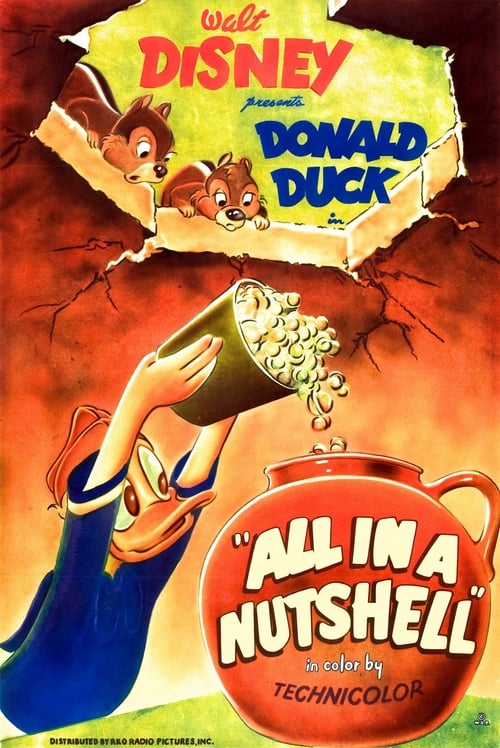
1949
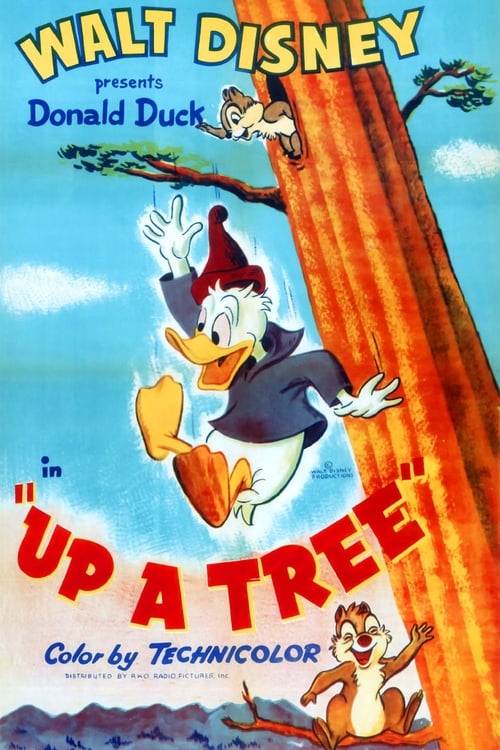
1955
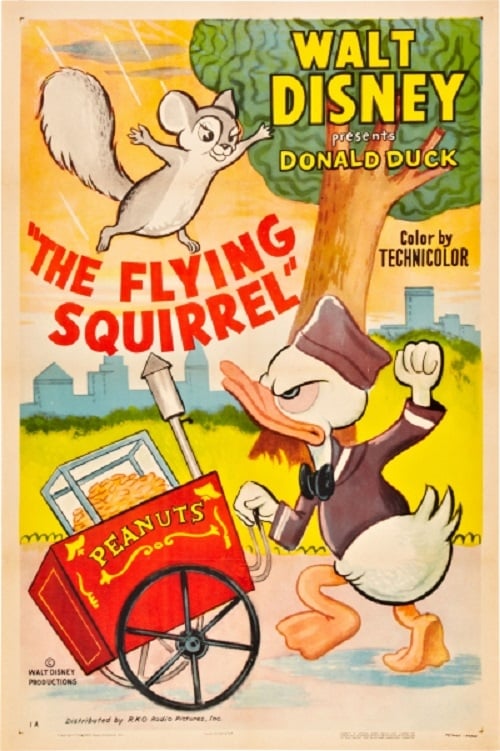
1954
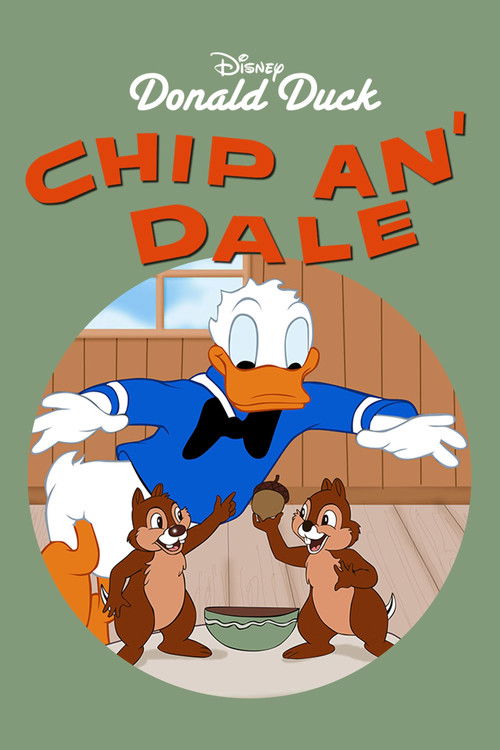
1947
No reviews yet. Be the first to share your thoughts on this movie!
Use the rating form above to leave a star rating and optional review.