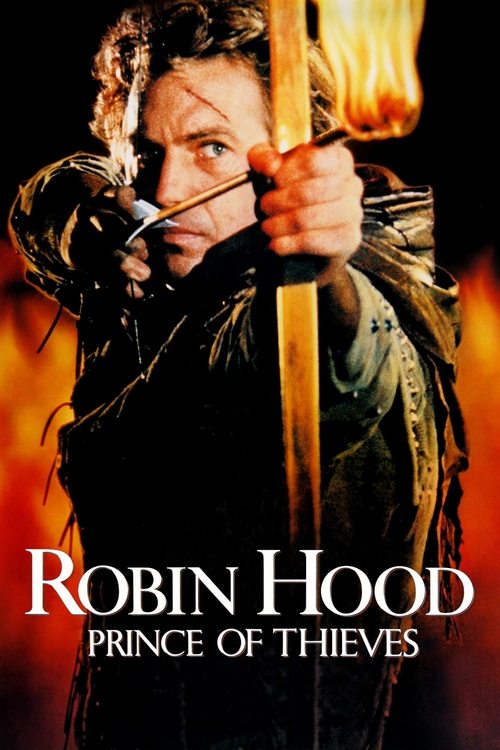
Robin Hood: Prince of Thieves
1991
No user ratings available yet
Representation score: 3.0 out of 10
Representation Score
Limited
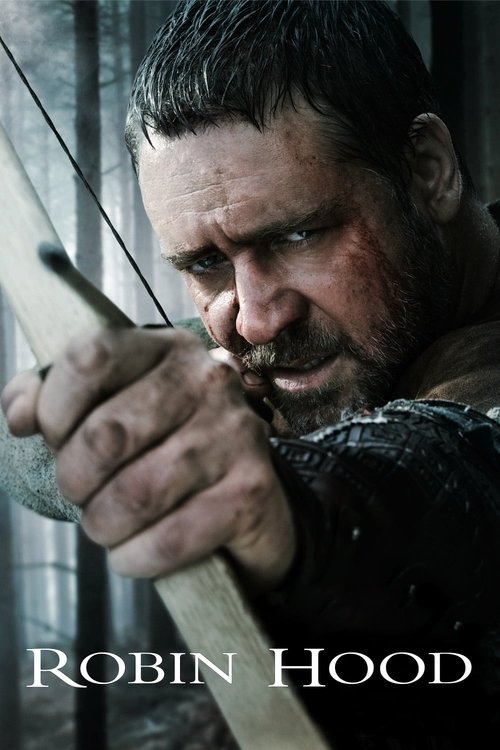
2010
PG-13Director
Ridley Scott
Runtime
140 minutes
Average Rating
No ratings yetNew Showbiz Analysis
Ridley Scott’s reimagining of the mythos focuses on the transition from feudal absolutism to the rule of law. While the film lacks demographic variety, it succeeds in deconstructing the 'heroic monarch' cliché by framing the state as an entity requiring systemic correction. The production is limited by a homogeneous cast and a lack of characters who reflect more than one aspect of diversity. The narrative adheres to traditional romantic and gendered structures, which prevents a higher score despite the sophisticated political themes. Ultimately, the film's strength lies in its thematic critique of unchecked authority rather than its social diversity.
Category Breakdown
The film follows a strictly straight-centered framework. The central romance between Robin and Marian lacks any presence of diverse sexual orientations or gender identities.
Marian is portrayed who play a significant role in driving the story and political intellect, acting as a strategic participant in the resistance. However, the film maintains traditional 13th-century gender hierarchies and romantic structures.
The cast is highly homogeneous, reflecting the specific historical setting of 13th-century England. There is no intentional racial blending or depth in the primary character arcs.
The narrative critiques traditional Western power structures by framing the monarchy as corrupt. It emphasizes systemic legal reform and the struggle against institutional tyranny through the Magna Carta.
There are no prominent depictions of physical or neurodivergent disabilities. No character arcs are defined by an engagement with disability.
Present on Screen
Limited or Absent
Official Synopsis
When soldier Robin happens upon the dying Robert of Loxley, he promises to return the man's sword to his family in Nottingham. There, he assumes Robert's identity; romances his widow, Marion; and draws the ire of the town's sheriff and King John's henchman, Godfrey.
1991
1940
2018
1948

2005

1952
2001
1985
No reviews yet. Be the first to share your thoughts on this movie!
Use the rating form above to leave a star rating and optional review.