Robin Hood
2010
No user ratings available yet
Representation score: 2.4 out of 10
Representation Score
Limited
1998
PG-13Director
Randall Wallace
Runtime
132 minutes
Average Rating
No ratings yetNew Showbiz Analysis
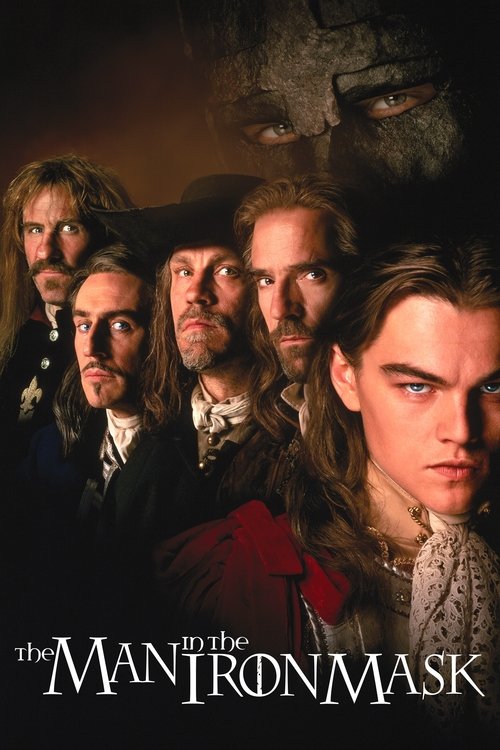
The film is a traditional period adventure that prioritizes historical genre clichés over diverse representation. It focuses almost exclusively on the internal power dynamics of the French nobility. While the story offers a critique of absolute monarchy and tyrannical authority, this thematic depth does not translate into social diversity. The narrative remains rooted in a homogeneous, traditional framework. Ultimately, the film lacks significant representation across gender, race, and LGBTQ+ identities, reflecting its specific historical and genre-driven constraints.
Category Breakdown
The film adheres to a structure that assumes everyone is straight and cisgender, offering no representation of LGBTQ+ identities.
The story centers on male-driven political struggles and brotherhood. While Christine provides emotional depth, female characters are mostly in supporting roles.
Set in a historical European context, the cast is entirely white without incorporating diverse ethnic identities.
The film critiques absolute monarchy by portraying King Louis as a tyrant. It challenges institutional authority through the lens of political legitimacy and rightful succession.
The iron mask symbolizes isolation and lost identity, functioning as a plot device rather than a nuanced portrayal of living with a disability.
Present on Screen
Limited or Absent
Official Synopsis
Years have passed since the Three Musketeers, Aramis, Athos and Porthos, have fought together with their friend, D'Artagnan. But with the tyrannical King Louis using his power to wreak havoc in the kingdom while his twin brother, Philippe, remains imprisoned, the Musketeers reunite to abduct Louis and replace him with Philippe.
2010
1974

1939
1948
1998
1940
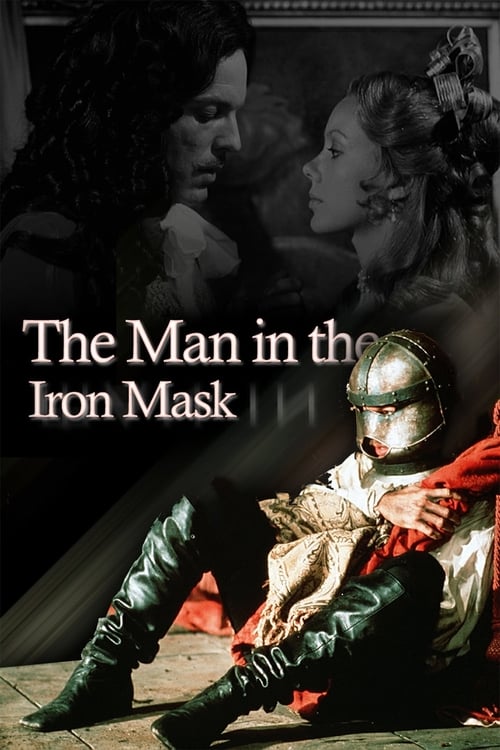
1977
1973
No reviews yet. Be the first to share your thoughts on this movie!
Use the rating form above to leave a star rating and optional review.