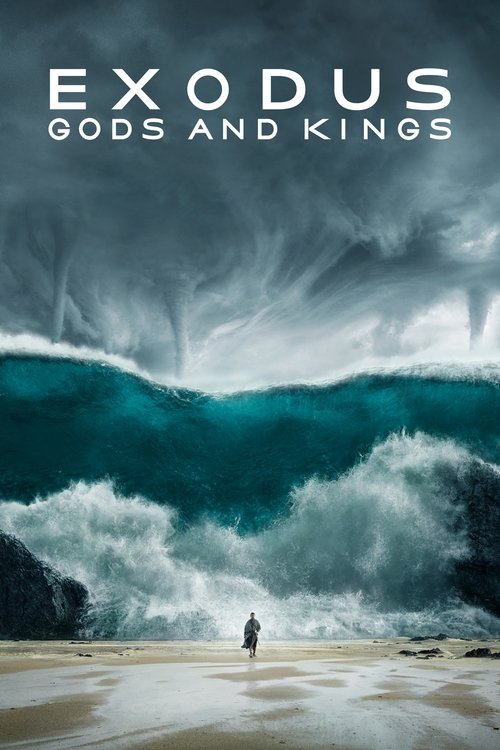
Exodus: Gods and Kings
2014
No user ratings available yet
Representation score: 1.5 out of 10
Representation Score
Limited
2000
RDirector
Ridley Scott
Runtime
155 minutes
Average Rating
No ratings yetNew Showbiz Analysis
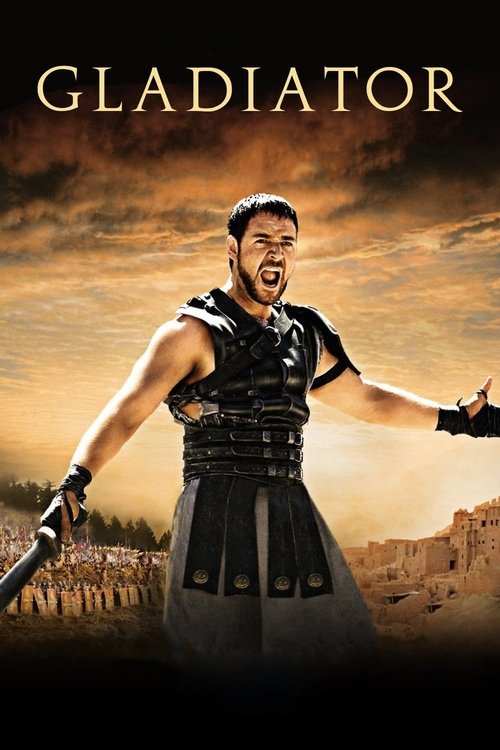
Gladiator ends with Maximus riding home to his farm after killing the usurper. The film sells Roman meritocracy as the cure for imperial decay. A commoner general rises through combat skill, while a corrupt emperor falls for clinging to birthright. The closing image shows Maximus’s spirit reuniting with his dead family, framing traditional duty and blood ties as the ultimate reward. Power belongs to the disciplined warrior, not the inherited throne.
Category Breakdown
No same-sex couples or queer characters appear. The film depicts only heterosexual relationships between Maximus and Lucilla, and Commodus and Lucilla.
Lucilla serves as the moral anchor and political ally, but her arc remains tied to male authority. Maximus embodies traditional masculine virtue through stoic combat and duty.
Juba, a Numidian king, acts as a competent political equal to Maximus. African soldiers appear as disciplined allies, yet the narrative centers on white Roman leadership.
The film treats Roman imperial order and meritocratic hierarchy as the ideal. Marcus Aurelius and Maximus represent wise governance, while Commodus embodies corrupt tradition.
No characters with lasting physical or cognitive impairments are depicted. Physical injuries are temporary plot devices overcome by willpower.
Present on Screen
Limited or Absent
Official Synopsis
After the death of Emperor Marcus Aurelius, his devious son takes power and demotes Maximus, one of Rome's most capable generals who Marcus preferred. Eventually, Maximus is forced to become a gladiator and battle to the death against other men for the amusement of paying audiences.
2014
1970
2010
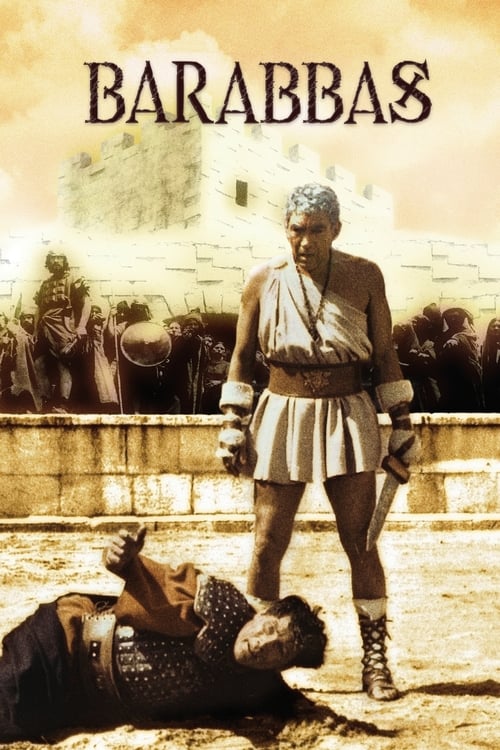
1961
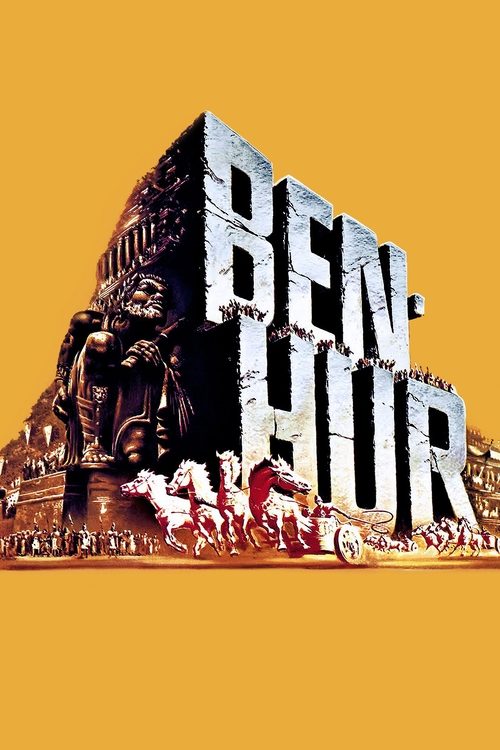
1959
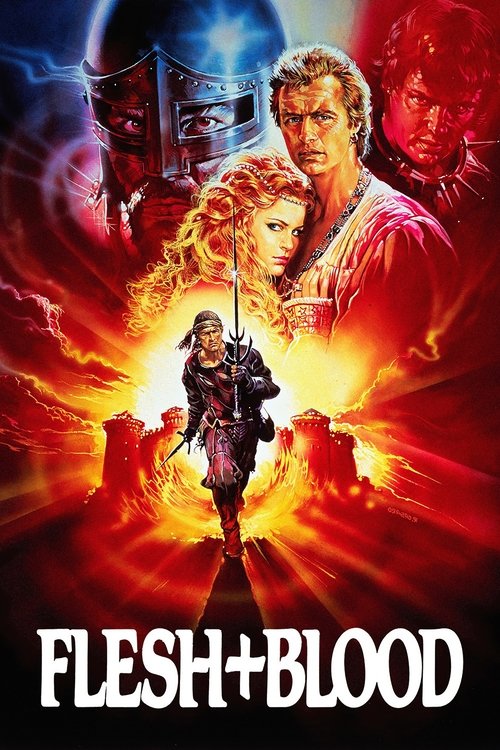
1985
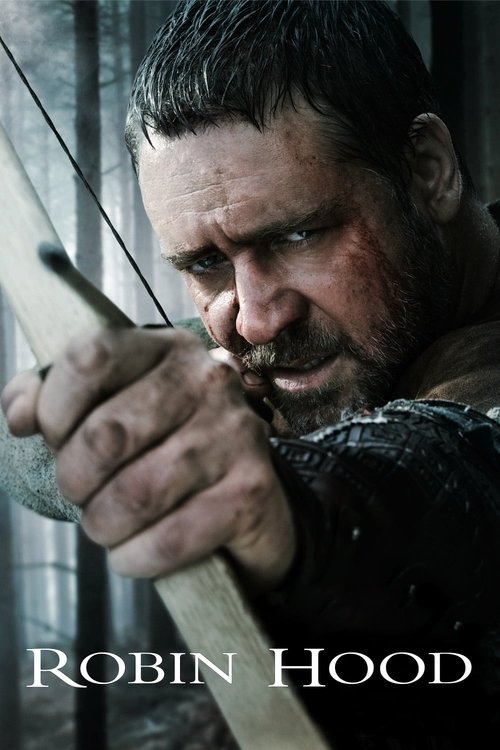
2010
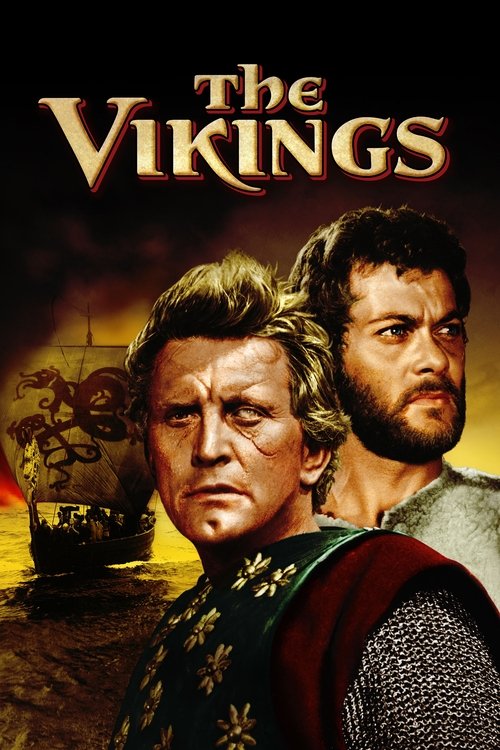
1958
No reviews yet. Be the first to share your thoughts on this movie!
Use the rating form above to leave a star rating and optional review.