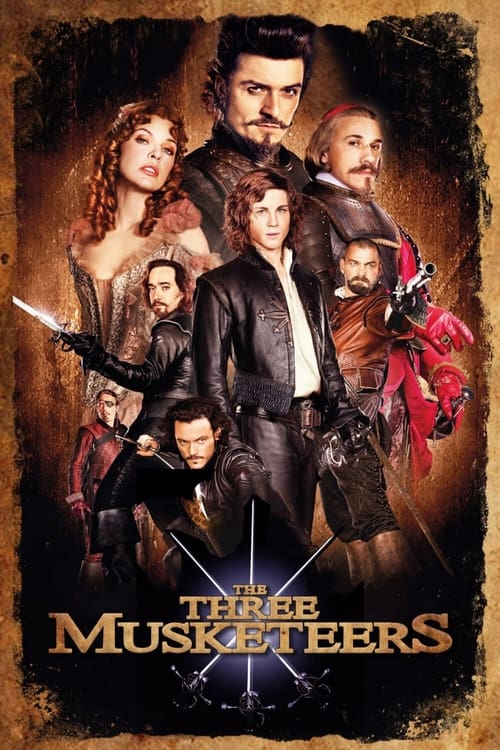
The Three Musketeers
2011
No user ratings available yet
Representation score: 4.7 out of 10
Representation Score
Limited
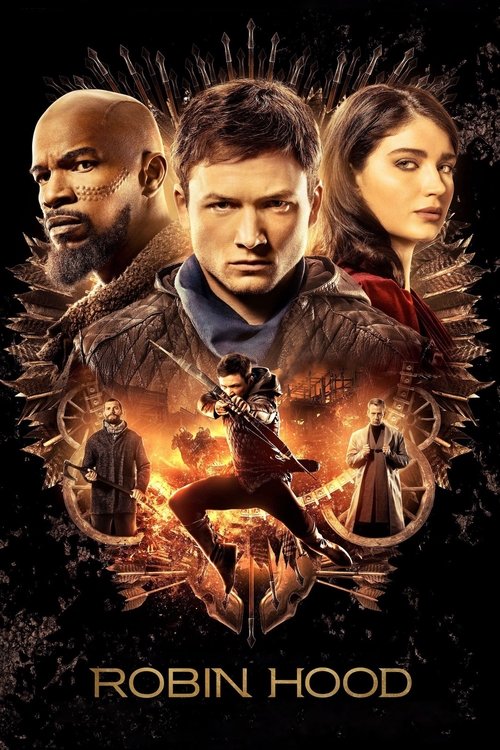
2018
PG-13Director
Otto Bathurst
Runtime
116 minutes
Average Rating
No ratings yetNew Showbiz Analysis
Otto Bathurst’s adaptation centers on the breakdown of social orders and the fight against institutional authority. The film successfully challenges traditional power dynamics and gives female characters significant roles in the physical struggle. However, the film remains demographically traditional, limiting the scope of its multi-layered impact due to the lack of LGBTQ+ representation and a predominantly white cast.
Category Breakdown
The film follows traditional structures that assume everyone is straight or cisgender. There are no visible non-cisgender identities or same-sex relationships among the characters.
Marian challenges medieval hierarchies by taking part in tactical and combat roles. She avoids the 'damsel in distress' cliché, but the central leadership remains mostly male-dominated.
The cast is primarily white, reflecting the historical setting. However, the inclusion of a Moorish commander introduces ethnic complexity to the Crusader era.
The story critiques centralized monarchical systems by showing the English Crown as corrupt. It supports rebellion as a means for the disenfranchised to seek justice.
There are no prominent depictions of visible or invisible disabilities. No characters have arcs defined by neurodivergence or physical impairment.
Present on Screen
Limited or Absent
Official Synopsis
A war-hardened Crusader and his Moorish commander mount an audacious revolt against the corrupt English crown.
2011
1958
2010
1985
1991

1952
2018

2017
No reviews yet. Be the first to share your thoughts on this movie!
Use the rating form above to leave a star rating and optional review.