You are here:

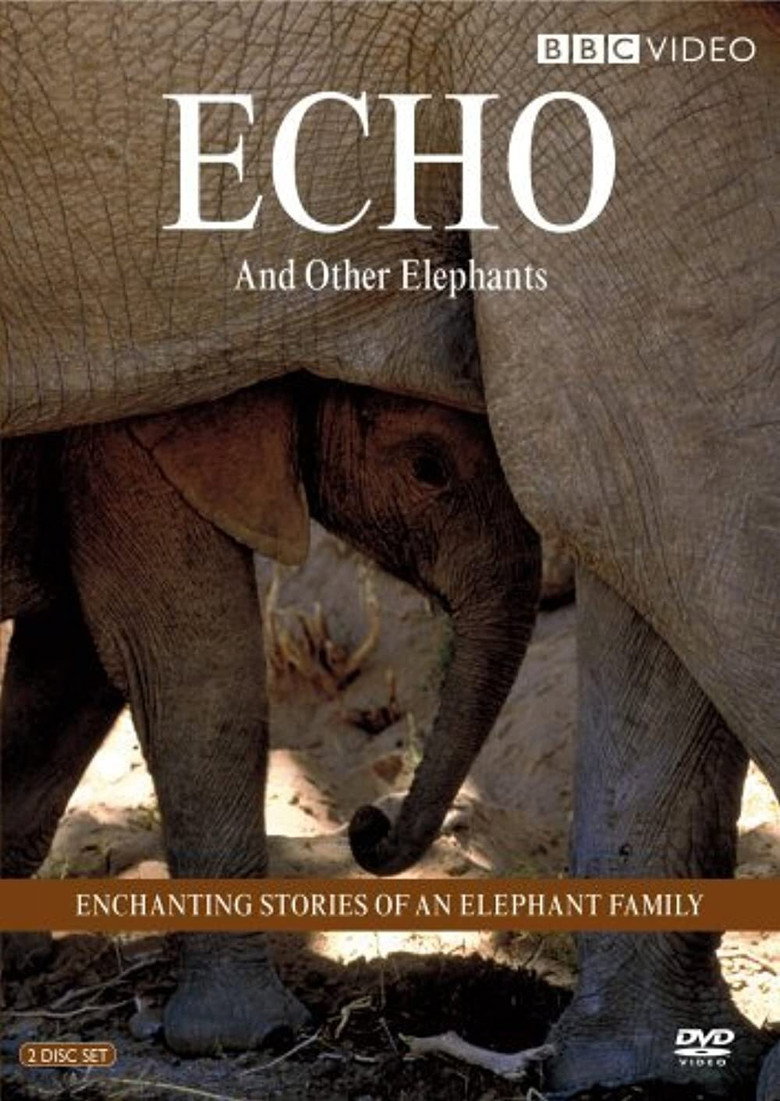
Echo of the Elephants, The Story of an Elephant Family

Echo of the Elephants, The Story of an Elephant Family

Representation Score

6.2/10

Good

1992

TV-14

Average Rating

No ratings yet

New Showbiz Analysis

This documentary stands out by centering on a matriarchal social structure, shifting the narrative away from dominant-male models toward female-led intelligence. By highlighting Echo's leadership and the presence of lead scientist Cynthia Moss, the film elevates female authority in both animal subjects and the human research team. While it doesn’t explicitly depict human LGBTQ+ identities, the film offers a nuanced perspective by avoiding colonial clichés and focusing on non-human social bonds.

Watch this, not that →

Category Breakdown

Does Echo of the Elephants, The Story of an Elephant Family have LGBTQ+ representation?

Fair

The film explores complex social bonds within an elephant matriarchy. While it doesn't depict human LGBTQ+ identities, it examines social dynamics outside human-centric models.

How does Echo of the Elephants, The Story of an Elephant Family portray gender?

Good

Echo the matriarch serves as the primary leader and source of wisdom. Additionally, Cynthia Moss provides a strong counter-narrative by emphasizing female scientific authority.

How racially and ethnically diverse is Echo of the Elephants, The Story of an Elephant Family?

Good

Set in Kenya’s Amboseli National Park, the film highlights the local landscape and ecological importance without relying on a colonial discovery lens.

How does Echo of the Elephants, The Story of an Elephant Family represent religion and culture?

Good

The narrative promotes ecological interconnectedness by focusing on the elephant family's story. This approach challenges Western-centric views of nature and emphasizes environmental survival.

Does Echo of the Elephants, The Story of an Elephant Family include disability representation?

Minimal

The film focuses on the biological survival and social cohesion of the elephant family. There is no evidence regarding the portrayal of sentient disability or neurodivergence.

Present on Screen

  • Centers a matriarchal power structure where female elephants provide wisdom and protection.
  • Features a distinguished female scientist, Cynthia Moss, as a primary authority in the field.
  • Avoids colonial clichés by framing the Kenyan landscape through an ecological lens.

Limited or Absent

  • Lacks explicit depiction of human LGBTQ+ identities or queer social narratives.
  • Provides no specific evidence regarding the portrayal of disability or neurodivergence.

Official Synopsis

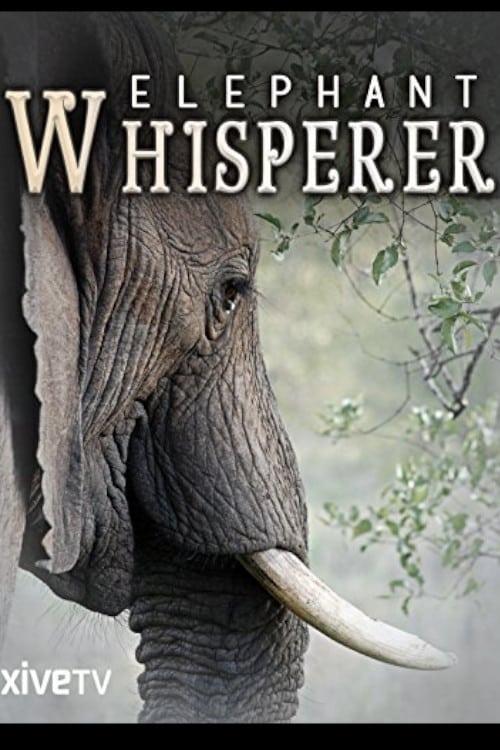
Echo is the gentle matriarch of a family of elephants in Kenya’s Amboseli National Park. Watched over by distinguished research scientist and founder of the Amboseli Elephant Research Project, Cynthia Moss, Echo leads her charge through the rough and the smooth, good times and bad, all captured faithfully on film by award-winning photographer Martyn Colbeck. In January 1990, Cynthia and Martyn embarked on the first of what would ultimately be four exceptional films produced over thirteen years in the shadow of the Great White Mountain, Kilimanjaro, documenting the lives of one elephant family for the BBC’s Natural History Unit. These uniquely moving and unforgettable films have wider implications for our understanding of elephants everywhere.

How are these scores produced? →

Where to Watch

Rate this Movie

No rating selected
Use arrow keys to select a rating from 1 to 5 stars
Optional text review, maximum 2000 characters
Tip: Wrap spoilers with ||double pipes|| to hide them
0/2000 characters
You must be signed in to submit a rating

Reviews

No reviews yet. Be the first to share your thoughts on this movie!

Use the rating form above to leave a star rating and optional review.