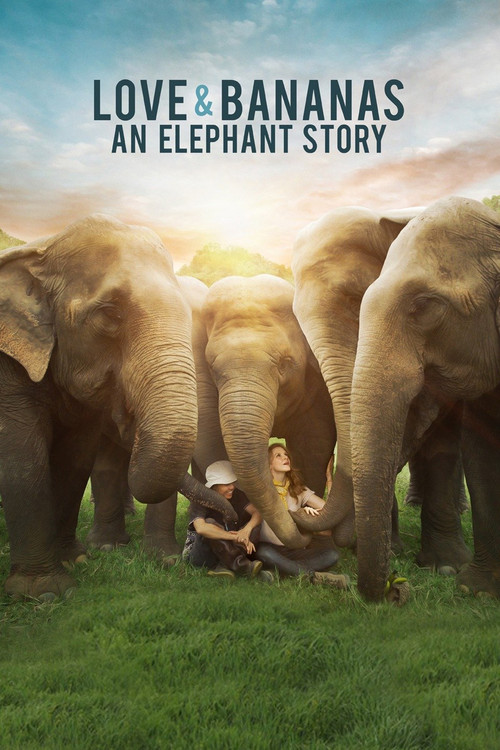
Love & Bananas: An Elephant Story
2018
No user ratings available yet
Representation score: 7.8 out of 10
Representation Score
Fair
2017
Director
Stephen Dunleavy
Runtime
58 minutes
Average Rating
No ratings yetNew Showbiz Analysis
The film primarily serves as a scientific and historical inquiry rather than a study of human identity politics. Its value lies in challenging historical narratives regarding the treatment of non-human subjects and the ethics of Western scientific institutions. While the documentary lacks explicit representation of LGBTQ+ or disabled human characters, it engages with complex themes of colonial-era specimen collection and the commodification of nature. The narrative structure works to disrupt celebrity myths to reveal systemic realities of captivity. Ultimately, the diversity present is found in its potential to critique imperialist frameworks and the movement of wildlife from the Global South to Western museums.
Category Breakdown
The documentary focuses on zoological investigation and historical inquiry. There are no LGBTQ+ characters or stories about non-straight relationships in the film.
The story centers on scientific collaboration between conservationists and researchers. While the subject matter is gender-neutral, the film does not explicitly address or challenge traditional gender roles.
The investigation into an African elephant's life in Western institutions suggests a potential critique of colonial-era specimen collection. This framework touches on historical power dynamics between the Global South and the West.
The film prioritizes empirical investigation and forensic science over traditional frameworks. By separating myth from reality, it aligns with a post-traditional worldview centered on evidence-based truth.
The documentary focuses on skeletal analysis and zoological study. There are no human characters with visible or invisible disabilities serving as central narrative figures.
Present on Screen
Limited or Absent
Official Synopsis
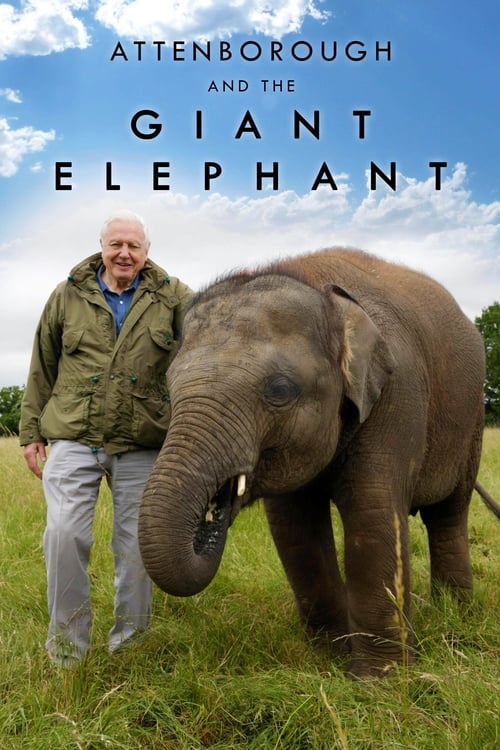
David Attenborough investigates the remarkable life and death of Jumbo the elephant - a celebrity animal superstar whose story is said to have inspired the movie Dumbo. Attenborough joins a team of scientists and conservationists to unravel the complex and mysterious story of this large African elephant - an elephant many believed to be the biggest in the world. With unique access to Jumbo's skeleton at the American Museum of Natural History, the team work together to separate myth from reality. How big was Jumbo really? How was he treated in captivity? And how did he die? Jumbo's bones may offer vital clues.
2018

2017
2018
2007
2019
2012
2021
2020
No reviews yet. Be the first to share your thoughts on this movie!
Use the rating form above to leave a star rating and optional review.